Long-haul travelwhether by plane, train, or caroften means hours of sitting in cramped positions, interrupted sleep, limited movement, and…


Long-haul travelwhether by plane, train, or caroften means hours of sitting in cramped positions, interrupted sleep, limited movement, and exposure to unnatural postural stress. Its common to arrive at your destination feeling stiff, sore, or disconnected from your body. For women, especially those navigating pelvic floor issues, core weakness, or postural imbalances, long-haul travel can trigger discomfort that lingers well beyond the journey.
At YourFormSux (YFS) in Canada, physiotherapists regularly help women realign their bodies and restore mobility after travel. This blog explores the effects of prolonged travel on spinal and pelvic alignment and offers targeted physiotherapist-approved strategies to get you feeling grounded and reconnected post-trip.
How Long-Haul Travel Impacts Alignment
Prolonged immobility in confined spaces can lead to a variety of postural disruptions, including:
Flattened lumbar spine from slouched or unsupported sitting
Forward head posture from screen use or neck pillows
Tight hip flexors and hamstrings due to prolonged sitting
Pelvic misalignment from sitting unevenly or crossing legs
Reduced core engagement and breath control from sedentary stillness
Swelling and stiffness in the lower limbs from reduced circulation
These effects can cause stiffness, back pain, pelvic pressure, and fatigueespecially if youve been managing pre-existing postural concerns or pelvic floor sensitivity.
Immediate Post-Travel Realignment Tips
Once youve reached your destination or returned home, give your body a chance to reset. These simple strategies can help reduce discomfort and restore neutral alignment.
1. Unwind the Spine with Gentle Movement
Walk for 1015 minutes as soon as possible after your journey.
Focus on fluid, relaxed strides to mobilize the hips and spine.
Gentle arm swings and torso rotation can help decompress the upper body.
2. Reconnect with Your Breath
Practice diaphragmatic breathing in a seated or lying position.
Inhale deeply into the ribs and belly, then exhale while lightly engaging your core and pelvic floor.
Repeat for 810 slow breaths to reawaken deep stabilizing muscles.
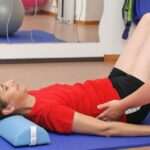
3. Reset Your Pelvis
Lie on your back with knees bent and feet flat.
Perform slow pelvic tiltsrocking your pelvis forward and backward while keeping the movement small and smooth.
Do 1012 repetitions to restore mobility and reestablish spinal awareness.
Physiotherapist-Approved Realignment Exercises
These movements target the areas most affected by travel and support full-body posture restoration.
1. Cat-Cow (Spinal Mobilization)
Why it helps: Reestablishes lumbar and thoracic spinal movement.
Start on hands and knees.
Inhale and arch your back gently (cow), lifting your chest and tailbone.
Exhale and round your spine (cat), tucking your chin and pelvis.
Repeat slowly for 810 rounds.
2. Standing Forward Fold with Bent Knees
Why it helps: Releases tension in the spine and decompresses lower back and hamstrings.
Stand with feet hip-width apart, knees slightly bent.
Hinge at your hips and fold forward, letting your arms hang.
Let your head drop and breathe deeply for 3060 seconds.
3. Supine Spinal Twist
Why it helps: Mobilizes the spine and realigns the pelvis after uneven sitting.
Lie on your back and hug one knee to your chest.
Gently guide the knee across your body while keeping the opposite shoulder grounded.
Hold for 30 seconds, then switch sides.
4. Hip Flexor Stretch (Low Lunge)
Why it helps: Reverses tightness from prolonged hip flexion.
Step one foot forward into a lunge with the back knee on the floor.
Keep the spine tall and pelvis neutral.
Hold for 2030 seconds and switch sides.
5. Wall Posture Reset
Why it helps: Reinforces upright spinal alignment and rib-pelvis stacking.
Stand with your back against a wallheels, sacrum, upper back, and head gently touching.
Tuck your chin slightly and draw your ribcage down.
Lightly engage your core and hold the position for 12 minutes, focusing on even breath.
Recovery Tips for Womens Postural and Pelvic Needs
Womens bodies respond uniquely to long-haul travel, especially during life phases like:
Postpartum recovery
Menstruation
Perimenopause
Pelvic floor dysfunction
YFS physiotherapists recommend the following for female-specific post-travel support:
Avoid holding urine or rushing bathroom breaks, which can irritate the bladder and pelvic floor.
Practice pelvic floor resets using breath and gentle engagement after long periods of pressure.
Use a gentle yoga sequence to relieve abdominal tightness and promote circulation.
Support feet with compression socks during travel to prevent swelling and heaviness in the legs.
What to Avoid After Long Travel
To minimize strain, avoid these common post-travel missteps:
Jumping into intense exercise immediately after sitting for hours
Staying sedentary after arrival
Lying down with poor back support for extended periods
Carrying heavy bags without switching sides
Ignoring signs of tension or discomfort
Listen to your body and prioritize recovery before demanding physical tasks.
Final Thoughts
Long-haul travel can disrupt your bodys natural alignment, but with simple, intentional movement and core-focused strategies, you can restore balance and comfort. Whether youre recovering from a red-eye flight or a long car ride, taking time to realign your spine, pelvis, and breath pays off in less pain, better posture, and more energy.
At YourFormSux, we help women across Canada recover and realign after travel with physiotherapy programs tailored to real life. If youre experiencing persistent tension, stiffness, or postural imbalance after a trip, our team is here to help you move freely, recover fully, and return to your routine with strength and support.