Movement Therapy for Strengthening the Core Muscles Why Core Strength Matters: The core in…

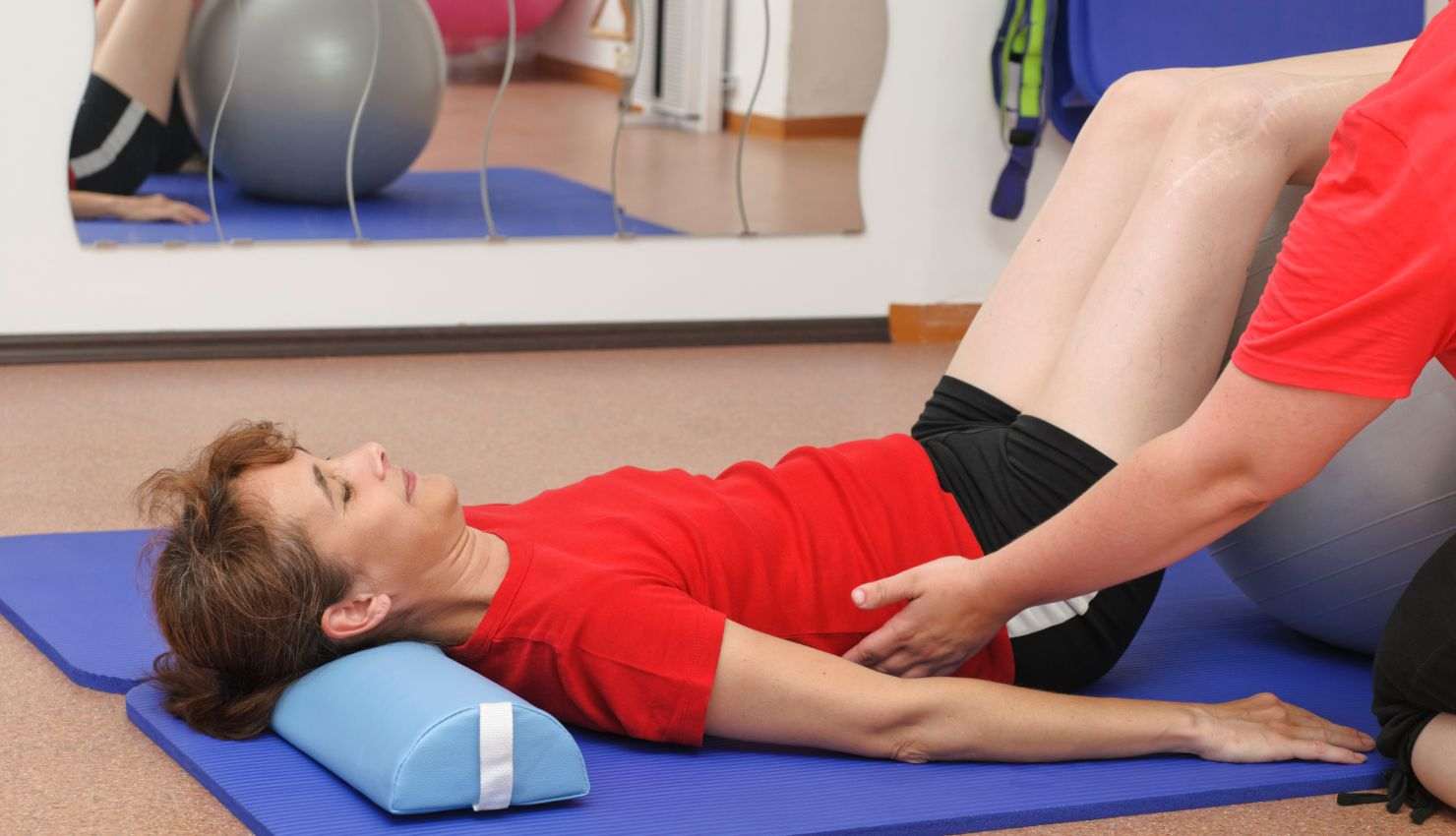
Movement Therapy for Strengthening the Core Muscles
Why Core Strength Matters:
The core includes muscles in the abdomen, lower back, pelvis, and hips.
A strong core stabilizes the spine, improves posture, and supports almost all physical activities.
Weak core muscles can lead to back pain, poor balance, and injury risk.
How Movement Therapy Strengthens the Core:
1. Activates Deep Core Muscles
Focuses on muscles like the transverse abdominis and multifidus that stabilize the spine.
Improves endurance and neuromuscular control.
2. Builds Functional Strength
Incorporates movements that mimic daily activities and sports.
Enhances strength in real-world motion patterns.
3. Improves Postural Alignment
Strengthening the core helps maintain proper posture and reduces strain on the spine.
4. Enhances Balance and Stability
A strong core supports better control during dynamic movements and reduces fall risk.
Effective Movement Therapy Core Exercises:
Exercise Focus Area
Pelvic tilts Activate lower abdominals
Dead bugs Improve coordination and stability
Bird-dog Strengthen back extensors and core
Planks (modified or full) Build endurance in core muscles
Bridges Engage glutes and lower back
Seated marches Activate lower abs and hip flexors
Sample Core Strengthening Session
Pelvic tilts 10 reps
Dead bugs 3 sets of 10 reps
Bird-dog 3 sets of 10 reps per side
Modified plank (on knees) Hold for 20-30 seconds, repeat 3 times
Glute bridges 3 sets of 15 reps
Seated marches 2 minutes continuous
Tips for Core Movement Therapy:
Focus on controlled, slow movements to engage muscles properly.
Breathe steadily; avoid holding your breath.
Maintain neutral spine alignment throughout exercises.
Progress by increasing duration, repetitions, or adding light resistance