Movement Therapy Techniques for Managing Knee Injuries Goals of Movement Therapy for Knee…

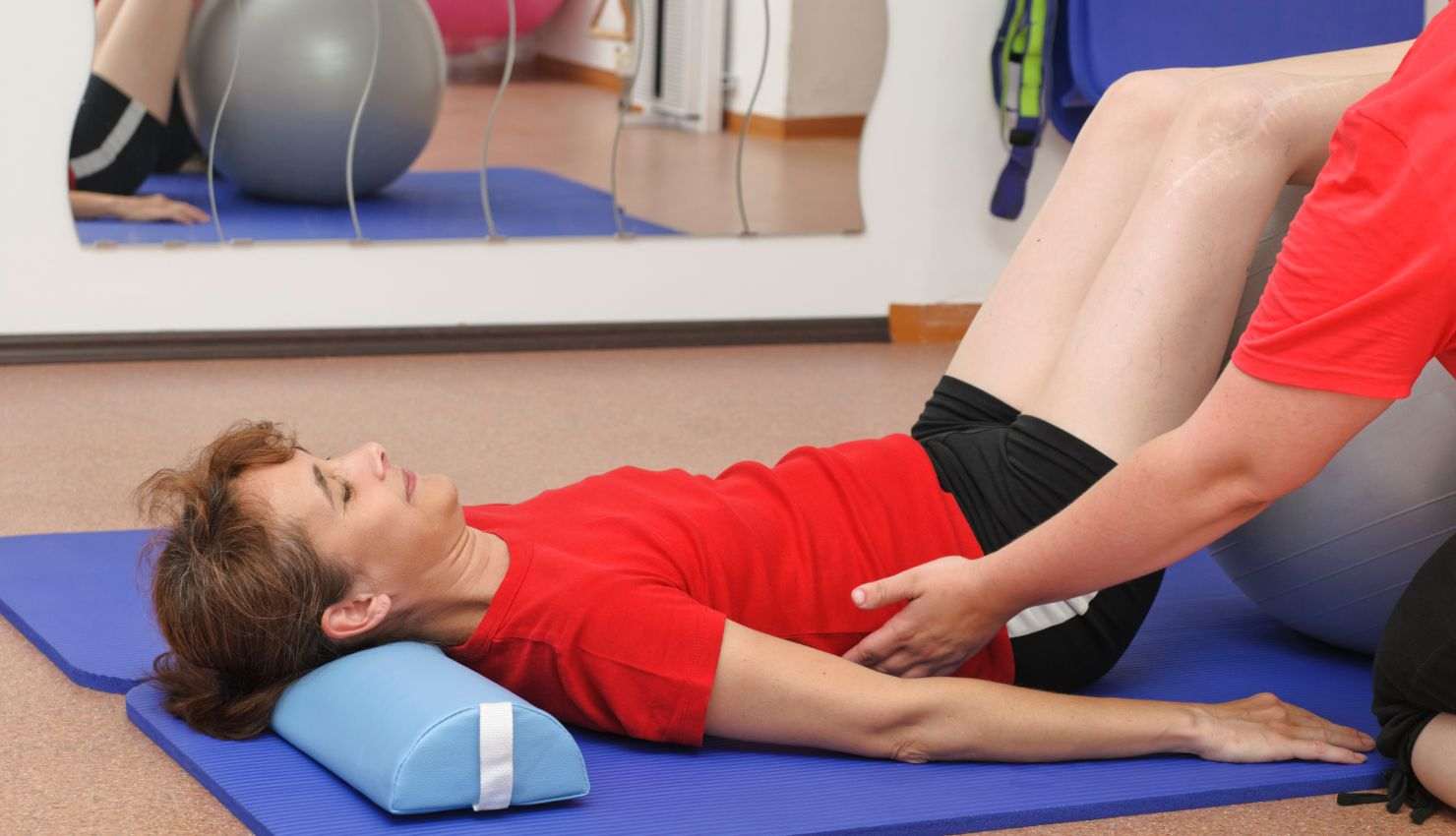
Movement Therapy Techniques for Managing Knee Injuries
Goals of Movement Therapy for Knee Injuries:
Reduce pain and inflammation
Restore knee joint mobility
Strengthen muscles around the knee for support
Improve balance and stability
Prevent re-injury
Key Movement Therapy Techniques:
1. Range of Motion (ROM) Exercises
Help maintain or restore knee flexibility.
Examples:
Heel slides (sliding the heel toward the buttocks while lying down)
Knee bends and extensions (active or assisted)
2. Strengthening Exercises
Focus on quadriceps, hamstrings, and hip muscles to support the knee.
Examples:
Straight leg raises
Mini squats (with proper form)
Step-ups on a low platform
3. Balance and Proprioception Training
Improves joint stability and coordination to reduce fall and injury risk.
Examples:
Single-leg stands
Balance board or cushion exercises
4. Stretching
Addresses tight muscles that can affect knee mechanics.
Examples:
Hamstring and calf stretches
Quadriceps stretch
5. Neuromuscular Re-education
Re-trains proper movement patterns, especially after injury or surgery.
Focuses on controlled muscle activation and joint control.
Sample Movement Therapy Routine for Knee Injury Rehab
Warm-up: Gentle stationary cycling or walking 5-10 minutes
Heel slides: 10-15 reps
Straight leg raises: 3 sets of 10 reps
Mini squats: 3 sets of 10 reps
Single-leg balance: 2 minutes per leg
Hamstring stretch: Hold 20-30 seconds, 3 reps
Cool-down: Gentle knee movements and deep breathing 5 minutes
Tips for Safe Knee Rehab with Movement Therapy:
Avoid exercises that cause sharp pain.
Focus on proper form to protect the knee joint.
Gradually increase intensity and range.
Consult with a physical therapist for personalized guidance.