Posture-related hip pain is more common than most people realizeand it often creeps in subtly. It may begin as tightness after long hours o…

Posture-related hip pain is more common than most people realizeand it often creeps in subtly. It may begin as tightness after long hours of sitting, a dull ache during walks, or sharp discomfort when standing up. Over time, poor posture and muscular imbalances can lead to chronic hip issues, especially for women who are postpartum, managing pelvic floor dysfunction, or recovering from injuries. At YourFormSux (YFS), we recognize the hip as a central hub of movement and alignment, and its health is deeply influenced by how you sit, stand, and move daily.
Understanding how posture impacts the hips is essential for preventing pain, restoring function, and achieving long-term musculoskeletal balance. Here’s what you need to knowand doto keep your hips healthy and pain-free.
How Poor Posture Contributes to Hip Pain
The hips serve as a bridge between the spine and legs, and their positioning affects everything from pelvic stability to lower back mechanics. When posture breaks down, the muscles surrounding the hipsparticularly the glutes, hip flexors, and pelvic stabilizerscompensate in inefficient ways. These faulty movement patterns create tension, inflammation, and joint stress over time.
Common posture-related factors that lead to hip pain include:
Anterior pelvic tilt: This forward tilting of the pelvis shortens the hip flexors and weakens the glutes and core, placing excess strain on the hip joints and lower back.
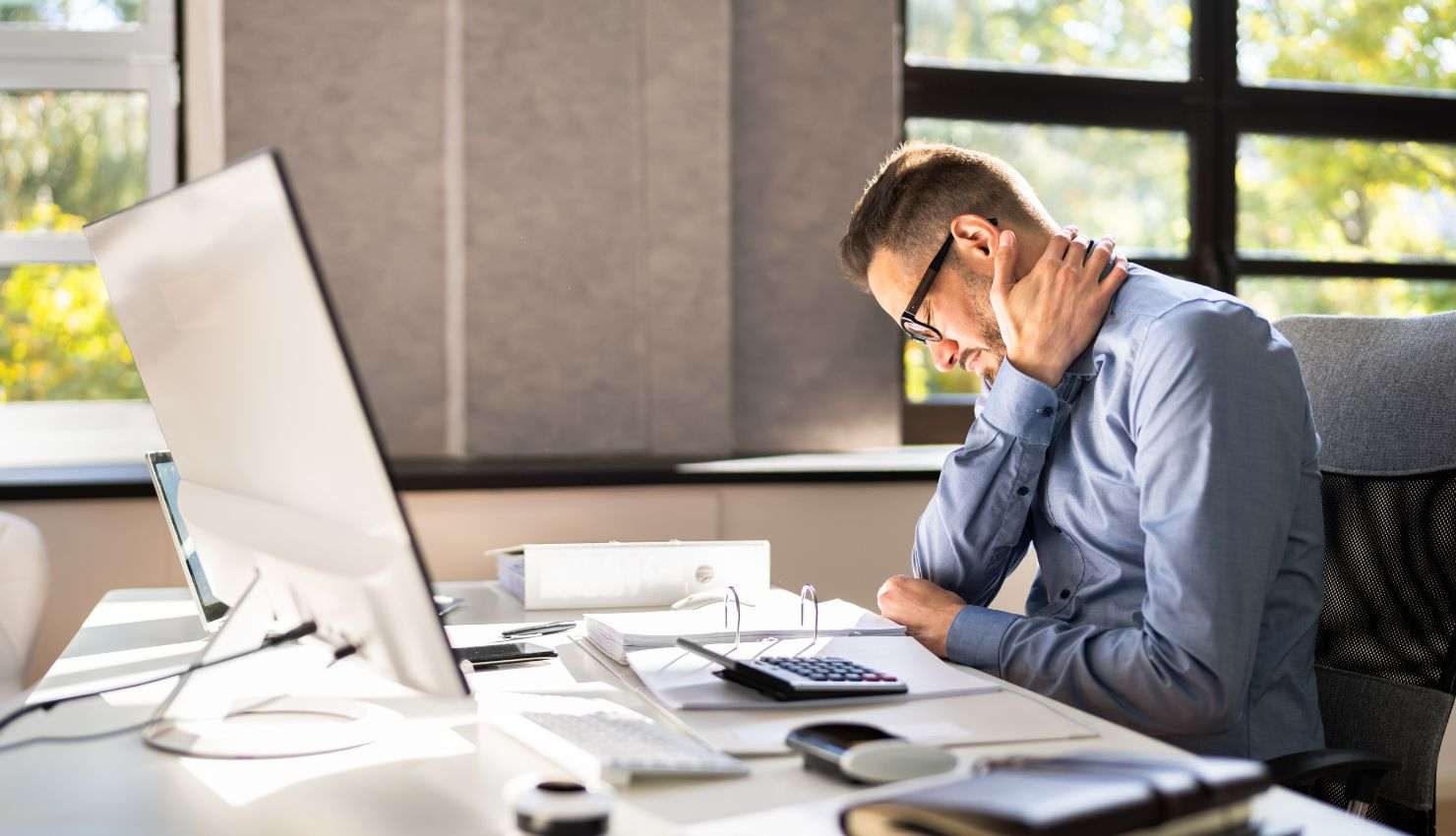
Slouched sitting: Sitting with a rounded spine disengages the core and causes the pelvis to tuck under. This compresses the hips, overstretches ligaments, and increases tension in the hamstrings and lower back.
Leg crossing or leaning to one side: Asymmetrical sitting habits can lead to hip muscle imbalances and joint misalignment, especially over months or years.
Poor standing posture: Locking the knees or shifting weight onto one hip destabilizes the pelvis and alters hip joint mechanics.
Weak core and glutes: A lack of strength in these key stabilizing muscles forces the hips to absorb more force than they should during walking, standing, or lifting.
Signs Your Hip Pain May Be Posture-Related
Not all hip pain stems from injury or arthritis. If your discomfort is posture-related, you may notice:
Pain after long periods of sitting or standing
Discomfort localized at the front or side of the hip
A pulling or pinching sensation in the groin or hip crease
Soreness that improves with movement or stretching
Recurrent tightness in the lower back, hamstrings, or quads
Women experiencing postpartum recovery or pelvic floor dysfunction are especially vulnerable to posture-related hip pain due to core instability and changes in pelvic alignment. Left unaddressed, this pain can spread to the knees or spine and interfere with daily activities.
Strategies to Prevent Hip Pain Through Better Posture
Preventing hip pain starts with awareness and small, consistent changes in your daily posture habits. Here’s how to support your hips through alignment:
1. Maintain a neutral pelvis: Whether sitting or standing, keep your pelvis in a neutral positionnot tilted forward (anterior tilt) or tucked under. Imagine your pelvis as a bowl of water that shouldn’t spill forward or backward.
2. Sit with support and symmetry: Sit with your feet flat on the ground, knees level with hips, and avoid crossing your legs. Use a small lumbar roll if needed to support the lower back and preserve pelvic alignment.
3. Break up sedentary time: Prolonged sitting compresses the hip joints and shortens hip flexors. Take movement breaks every 3045 minutes to stand, stretch, or walk.
4. Strengthen the glutes and core: Glute medius and deep abdominal muscles stabilize the pelvis and offload the hips. Incorporate exercises like bridges, clamshells, and dead bugs to build strength and control.
5. Stretch tight hip flexors: Gentle hip flexor stretches, such as the kneeling lunge stretch, help reverse the effects of sitting and reduce tension in the front of the hips.
6. Avoid excessive heel use: High heels push the pelvis forward, limit hip extension, and overload the quads. Choose supportive shoes with low to moderate heel height and adequate arch support.
7. Practice good standing posture: Distribute your weight evenly between both feet, avoid locking your knees, and engage your glutes slightly to maintain pelvic alignment.
How Physiotherapy Supports Hip and Postural Alignment
At YourFormSux, physiotherapists take a full-body approach to treating posture-related hip pain. Instead of only addressing symptoms, our goal is to correct the root causesmuscle imbalances, alignment errors, and movement dysfunctions that overload the hips.
Treatment may include:
Postural assessment: Identifying pelvic tilt, spinal alignment, and gait patterns that contribute to hip strain
Manual therapy: Hands-on techniques to release tension in overactive muscles and mobilize restricted joints
Pelvic floor evaluation: For women, assessing the relationship between pelvic floor dysfunction and hip pain
Movement retraining: Teaching proper mechanics for standing, walking, lifting, and sitting
Targeted exercise programming: Building strength and flexibility in the core, glutes, and stabilizers
Lifestyle and ergonomic coaching: Helping clients adjust workstations, sleeping positions, and daily habits to reduce hip stress
By addressing how your body moves as a whole, physiotherapy promotes not only relief from hip pain but also better long-term alignment and mobility.
A Foundation for Pain-Free Living
The hips dont operate in isolationthey are an extension of your posture, your movement, and your lifestyle. Whether youre lifting your child, sitting through work meetings, or going for daily walks, the position of your pelvis and spine directly impacts how your hips feel and function.
If youre experiencing hip pain and suspect posture may be playing a role, dont wait for it to escalate. Small changes in alignment, supported by the right exercises and habits, can lead to significant relief. At YourFormSux, we empower women across Canada to understand and reclaim their physical alignment through customized physiotherapy that addresses both symptoms and their root causes.