How to Use Movement Therapy for Correcting Posture Why Posture Correction Matters: Poor po…

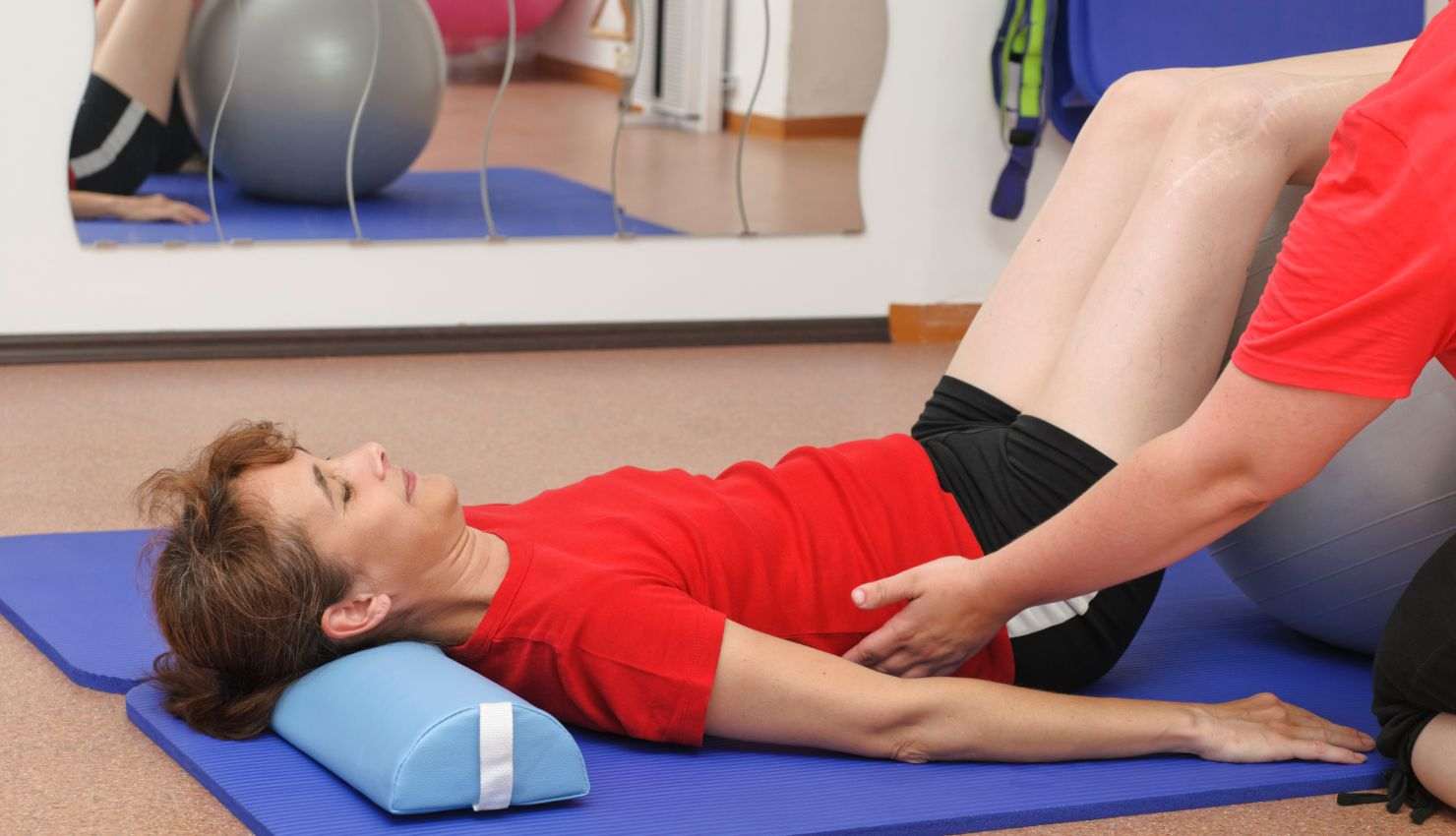
How to Use Movement Therapy for Correcting Posture
Why Posture Correction Matters:
Poor posture can cause pain, muscle imbalances, and reduced mobility.
Correct posture supports spine health, reduces injury risk, and improves breathing.
Steps to Use Movement Therapy for Posture Correction:
1. Assess Your Current Posture
Identify common issues: forward head, rounded shoulders, slouched back, pelvic tilt.
Use mirrors, photos, or professional evaluation.
2. Release Tight Muscles
Stretch muscles that are commonly tight due to poor posture, such as:
Chest (pectorals)
Upper traps and neck
Hip flexors
3. Strengthen Weak Muscles
Focus on muscles that support proper alignment:
Deep neck flexors
Rhomboids and mid-back muscles
Core stabilizers
Glutes
4. Practice Postural Awareness
Use movement therapy exercises that promote body awareness.
Include exercises like chin tucks, scapular squeezes, and pelvic tilts.
5. Integrate Proper Ergonomics and Movement Habits
Adjust workstation setup.
Take frequent breaks to move and reset posture.
Effective Movement Therapy Exercises for Posture
Exercise Focus
Chin tucks Strengthen deep neck flexors
Scapular squeezes Strengthen upper back muscles
Chest stretches Release tight pectorals
Pelvic tilts Improve lower back and core control
Wall angels Promote scapular mobility and posture
Sample Posture Correction Routine
Chin tucks 3 sets of 10 reps
Chest stretch hold 30 seconds, 3 reps
Scapular squeezes 3 sets of 15 reps
Pelvic tilts 3 sets of 10 reps
Wall angels 10 slow reps
Tips for Success:
Be consistent practice daily if possible.
Combine movement therapy with mindful posture checks throughout the day.
Avoid prolonged sitting; move regularly.
Consult a physiotherapist for tailored guidance.