We often associate sitting with stillness, but it doesnt have to be that way. Active sitting is a dynamic alternative to static slouching t…

We often associate sitting with stillness, but it doesnt have to be that way. Active sitting is a dynamic alternative to static slouching that encourages subtle movement, muscle engagement, and postural awarenesseven while seated. For women navigating core weakness, postpartum recovery, or pelvic floor dysfunction, active sitting is a safe and effective strategy to improve posture without needing extra time in the gym. At YourFormSux (YFS) in Canada, physiotherapists guide clients through active sitting techniques that build spinal strength and pelvic alignment during daily routines.
In this blog, we explore what active sitting is, why it supports posture, and how to incorporate it into your everyday life to improve alignment, comfort, and body awareness.
What Is Active Sitting?
Active sitting involves maintaining an upright, supported posture while allowing for small, continuous movements that engage postural muscles. Unlike rigid sitting or total relaxation into furniture, active sitting keeps your body subtly working to hold proper alignment.
Rather than holding a fixed perfect posture, active sitting emphasizes:
Spinal mobility
Core engagement
Balanced pelvic positioning
Breath coordination
Subtle movement shifts
These micro-adjustments help prevent muscle fatigue and stiffness, especially in long sitting periods.
Why Active Sitting Supports Better Posture
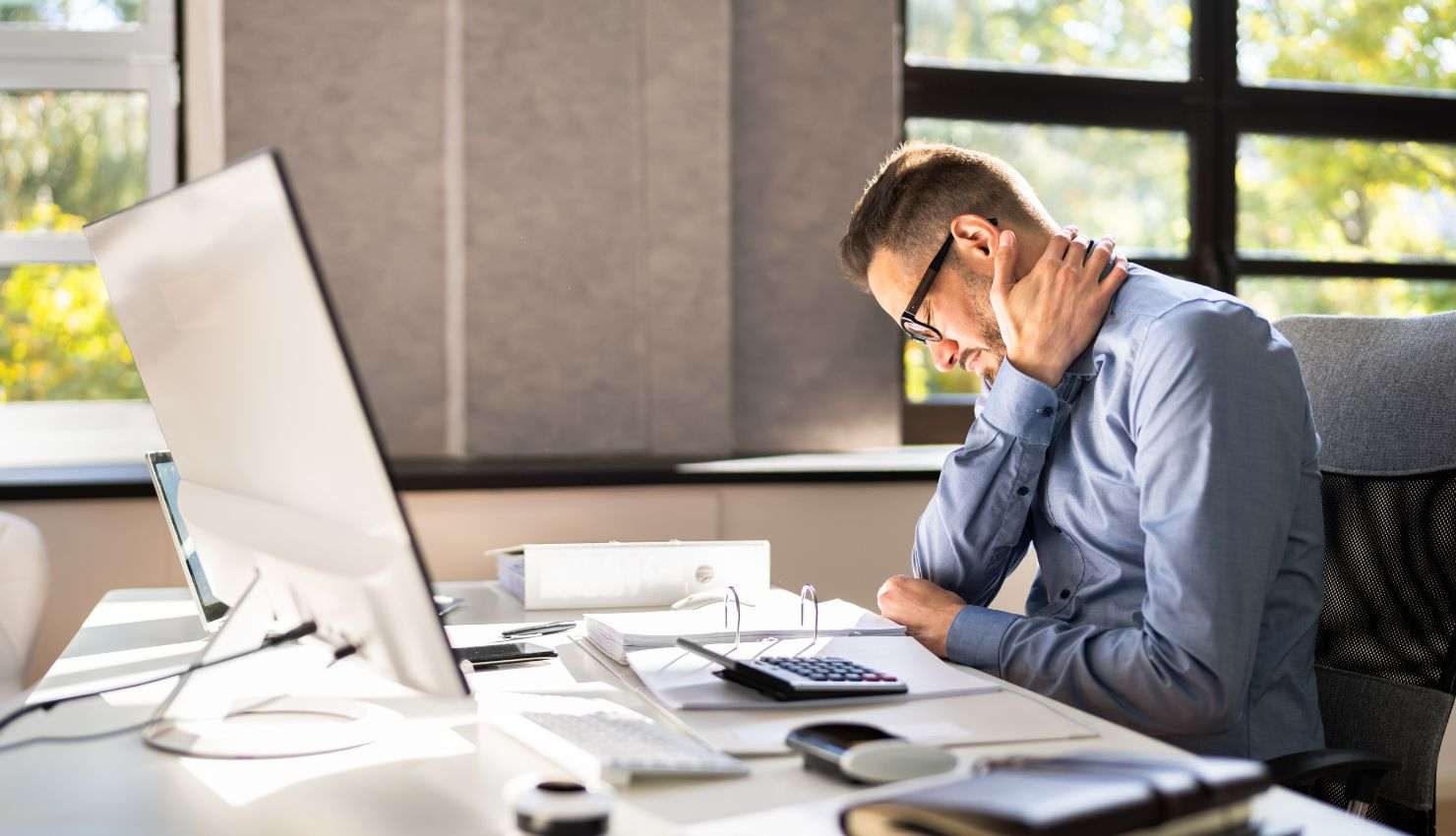
Sitting passively for hours often leads to:
Flattened lumbar spine
Rounded shoulders
Forward head posture
Weak or disengaged core
Pelvic compression or poor alignment
Over time, these patterns increase the risk of back pain, pelvic floor dysfunction, and muscle imbalances. Active sitting, on the other hand:
Keeps core muscles lightly engaged
Preserves the spines natural curves
Reduces slumping and collapsing
Encourages upright breathing and awareness
Prevents static fatigue and stiffness
At YFS, physiotherapists use active sitting as part of posture retraining for women dealing with diastasis recti, postural fatigue, and sedentary work-related strain.
How to Practice Active Sitting: Step-by-Step
Follow these physiotherapist-approved steps to begin active sittingno special equipment required.
1. Set Up a Supportive Base
Sit on a firm surface (avoid overly soft chairs or deep couches).
Keep feet flat on the floor, hip-width apart.
Align knees over ankles and hips at or slightly above knee level.
2. Find a Neutral Pelvis
Rock your pelvis gently forward and backward.
Find the midpoint where your sit bones are grounded, and your pelvis is not tucked or arched.
This position helps stack your spine naturally.
3. Stack Ribs Over Pelvis
Let your rib cage sit directly above the pelvis, not flaring forward or collapsing.
Avoid bracing or over-tensingaim for a soft, tall alignment.
4. Lengthen the Spine
Imagine growing taller from the crown of your head.
Keep your ears in line with your shoulders without jutting your chin forward.
Relax your neck, jaw, and shoulders.
5. Breathe and Engage Gently
Inhale deeply into the sides and back of your rib cage.
Exhale slowly and gently engage your lower abdominals and pelvic floornot by clenching, but by drawing inward lightly.
Breathe rhythmically, maintaining subtle support.
Active Sitting Tools (Optional but Helpful)
Certain seating tools can enhance your active sitting practice by promoting movement and muscle activation:
Sitting wedges or posture cushions: Elevate the pelvis slightly to encourage upright posture.
Stability balls or dynamic chairs: Add gentle instability to increase engagement (ideal for short durations).
Lumbar rolls: Support the lower back without overextending the spine.
Footrests: Help maintain even grounding if your feet dont touch the floor.
Use these tools mindfully and alternate with traditional seating to prevent fatigue.
Tips to Stay Consistent
Active sitting isnt about perfect stillnessits about sustainable attention. Try these habits to keep posture friendly and functional:
Switch positions every 3045 minutes
Add micro-movements: pelvic tilts, shoulder rolls, gentle rotations
Use posture cues like ribs over pelvis or soft belly, long spine
Pair with movement breaks: Take standing or walking breaks between sitting sessions
Women-Specific Benefits of Active Sitting
Active sitting can be particularly transformative for women managing:
Postpartum core recovery: Helps re-engage the deep abdominal muscles and pelvic floor
Pelvic floor tension or weakness: Reduces sustained pressure and encourages balance
Diastasis recti: Supports the healing of abdominal separation with functional alignment
Menstrual discomfort or low back pain: Promotes circulation and reduces cramping posture patterns
YFS physiotherapists tailor active sitting strategies to each womans body, needs, and lifestyle demands.
Final Thoughts
You dont need to be standing or exercising to work on your posture. Active sitting turns everyday momentsat your desk, dining table, or in transitinto opportunities for alignment, engagement, and body awareness. When practiced consistently, it helps retrain your posture from the inside out.
At YourFormSux, we help women across Canada improve their core health and movement patterns through real-life strategies like active sitting. If sitting leads to discomfort, fatigue, or poor posture, our physiotherapy team can help you moveand sitbetter every day. Because posture isnt just how you stand. Its how you live.