Movement Therapy for Speeding Up Injury Recovery Why Movement Therapy Helps Recovery: Enco…

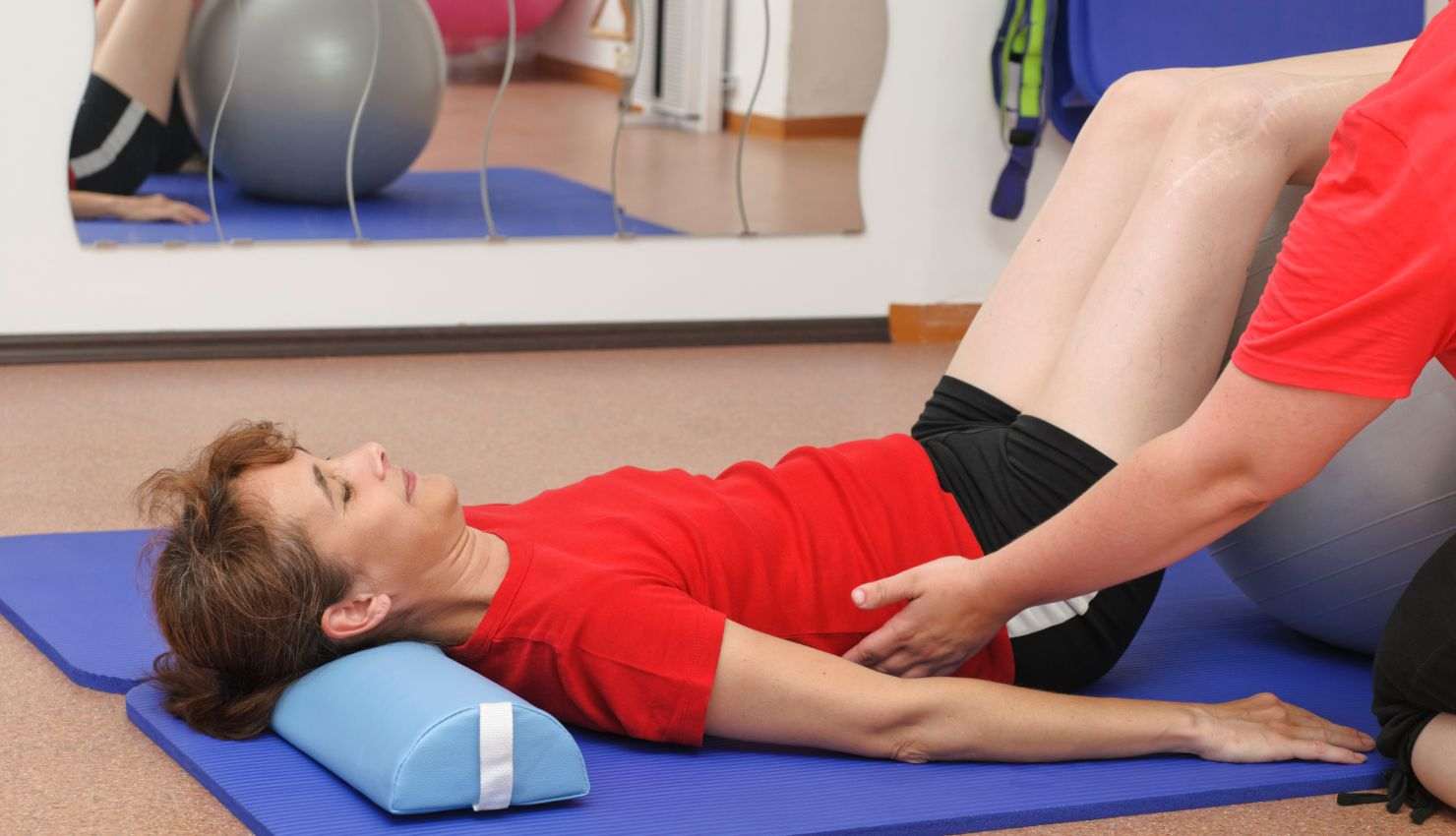
Movement Therapy for Speeding Up Injury Recovery
Why Movement Therapy Helps Recovery:
Encourages blood flow to deliver oxygen and nutrients to injured tissues.
Prevents stiffness, muscle atrophy, and joint contractures.
Restores strength, flexibility, and coordination.
Enhances neuromuscular control to support proper healing.
Key Movement Therapy Strategies for Faster Recovery:
1. Early Mobilization
Gentle, pain-free movements soon after injury help reduce swelling and stiffness.
Prevents complications like scar tissue buildup and loss of motion.
2. Progressive Loading
Gradually increases movement intensity and resistance to rebuild strength safely.
Helps tissues adapt and regain function.
3. Range of Motion Exercises
Maintain or restore joint flexibility.
Prevents adhesions and promotes smooth joint mechanics.
4. Strengthening Exercises
Focus on muscles around the injured area to support stability.
Improves overall functional capacity.
5. Neuromuscular Re-education
Retrains muscles and nerves to coordinate movement correctly.
Reduces compensatory patterns that could lead to further injury.
Sample Movement Therapy Recovery Timeline
Stage Focus Examples
Acute (Days 1-7) Reduce pain and swelling, gentle motion Passive ROM, gentle isometrics
Subacute (Weeks 2-4) Increase mobility and strength Active-assisted ROM, light resistance
Remodeling (Weeks 4+) Restore full function and endurance Functional exercises, balance drills
Sample Exercises to Speed Injury Recovery
Passive and active-assisted range of motion
Isometric muscle contractions (muscle engagement without joint movement)
Light resistance training (bands or body weight)
Balance and coordination drills
Functional movement patterns (e.g., sit-to-stand, walking drills)
Tips for Maximizing Recovery with Movement Therapy:
Follow pain guidelines avoid sharp or worsening pain.
Be consistent but patient; healing takes time.
Communicate with your therapist for adjustments.
Combine therapy with rest, nutrition, and other medical care.