The Link Between Breathing and Movement in Therapy Why Breathing Matters in Movement Thera…

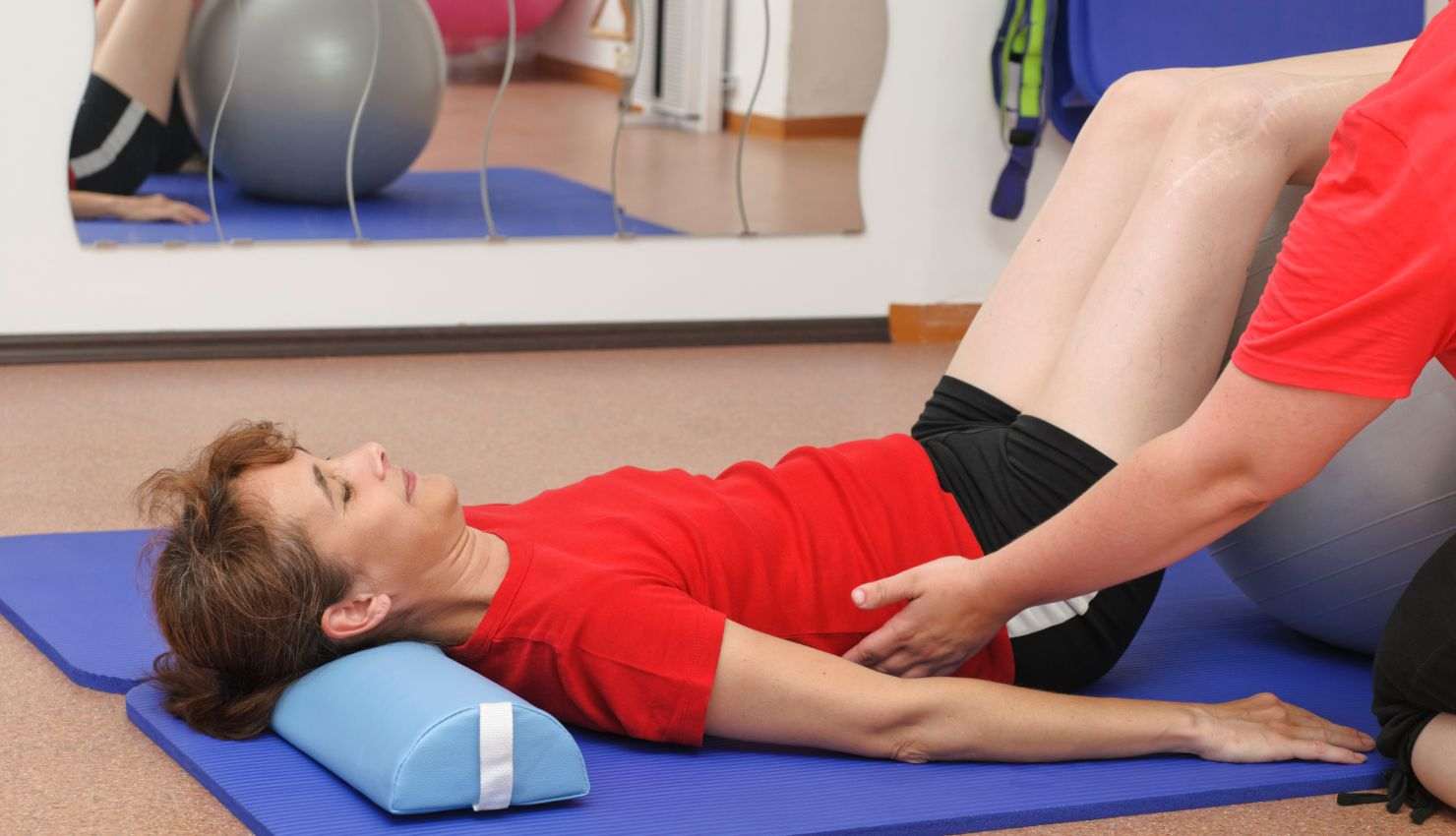
The Link Between Breathing and Movement in Therapy
Why Breathing Matters in Movement Therapy:
Breathing is fundamental to life and influences every movement.
Proper breathing supports core stability, posture, and efficient muscle function.
Dysfunctional breathing can impair movement quality and contribute to pain or fatigue.
How Breathing and Movement Are Connected:
1. Core Stability and Breath Control
The diaphragm, pelvic floor, and deep abdominal muscles work together to stabilize the core.
Coordinated breathing activates these muscles, enhancing spinal support during movement.
2. Oxygen Delivery and Muscle Performance
Efficient breathing ensures muscles get adequate oxygen.
Improves endurance and reduces fatigue during therapy exercises.
3. Neuromuscular Coordination
Breathing patterns influence muscle activation timing.
Synchronizing breath with movement improves control and fluidity.
4. Stress Reduction and Relaxation
Deep, controlled breathing activates the parasympathetic nervous system.
Helps reduce muscle tension and pain, facilitating better movement.
Breathing Techniques Used in Movement Therapy:
Technique Purpose
Diaphragmatic (belly) breathing Enhances core stability and relaxation
Coordinated breath and movement Improves timing and muscle activation
Breath holding (e.g., during exertion) Supports intra-abdominal pressure for stability
Rhythmic breathing Aids endurance and stress management
Practical Tips for Integrating Breathing in Movement Therapy
Practice diaphragmatic breathing lying down or seated before exercise.
Inhale during muscle lengthening or preparation phases, exhale during exertion or movement phases.
Avoid breath-holding unless trained for specific stabilization exercises.
Use breath as a cue to improve focus and movement quality.