Why Movement Therapy Is Crucial Post-Accident: Accidents often cause injuries like fractur…

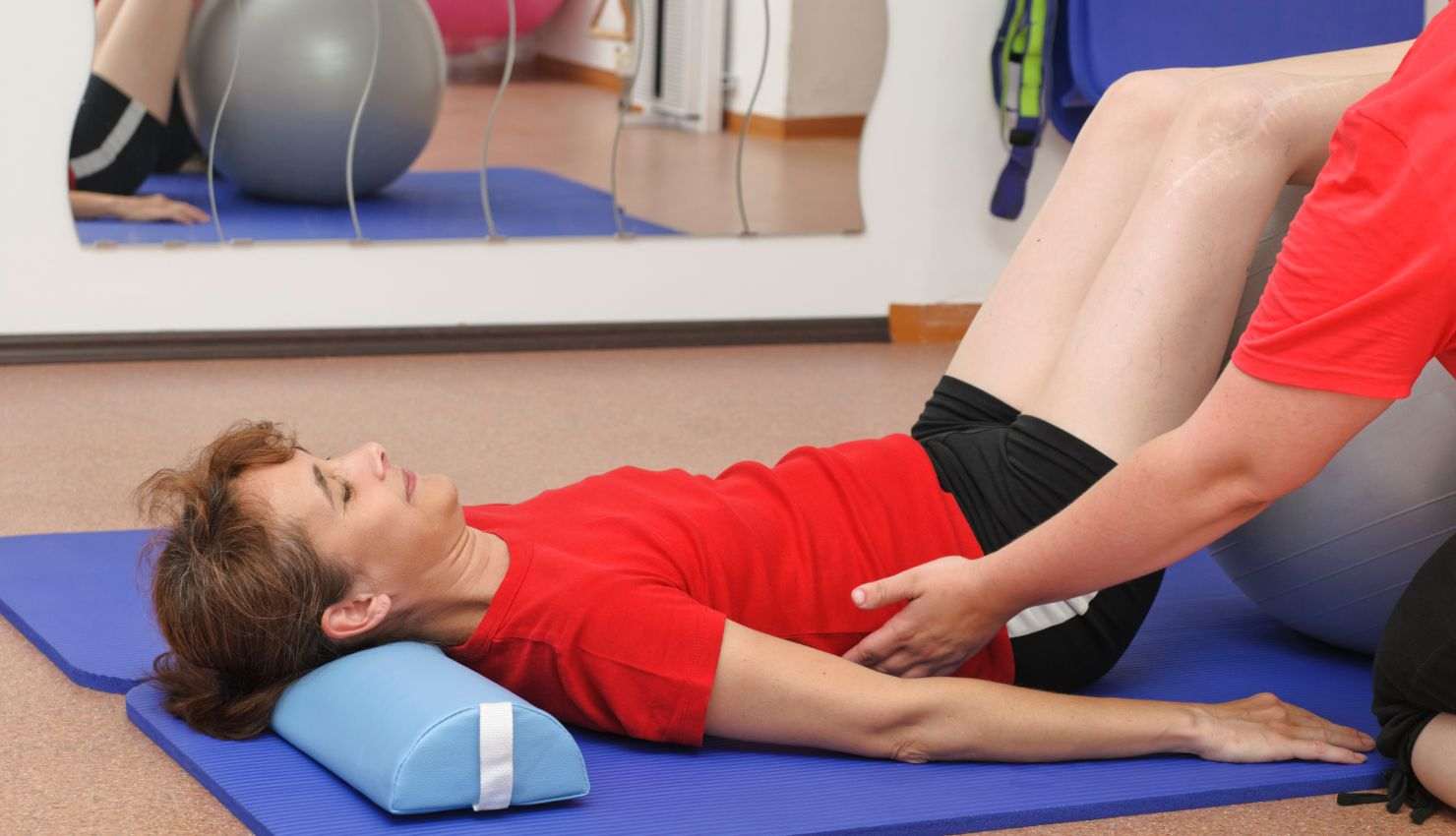
Why Movement Therapy Is Crucial Post-Accident:
Accidents often cause injuries like fractures, muscle strains, joint sprains, or nerve damage.
Movement therapy helps restore function, reduce pain, and prevent long-term complications.
It promotes healing by gradually reintroducing safe, controlled movement.
Key Benefits of Movement Therapy After an Accident:
1. Restores Range of Motion
Prevents stiffness and joint contractures caused by immobilization.
Encourages gentle, progressive movement to regain normal joint flexibility.
2. Rebuilds Strength
Targets weakened muscles from injury or inactivity.
Strengthening surrounding muscles supports injured areas and prevents re-injury.
3. Reduces Pain and Swelling
Movement enhances circulation, which helps reduce inflammation and promote tissue healing.
Gentle exercises can also trigger the release of endorphins, natural pain relievers.
4. Improves Balance and Coordination
Especially important if the accident affected the nervous system or caused trauma impacting motor skills.
Movement therapy retrains the body for smooth, coordinated actions.
5. Prevents Complications
Avoids muscle atrophy, blood clots, and joint stiffness that can result from prolonged immobility.
Encourages safe functional movement to support independence.
Common Movement Therapy Techniques in Post-Accident Rehab:
Technique Purpose
Passive and active range of motion exercises Maintain or regain joint mobility
Isometric and isotonic strengthening Rebuild muscle strength and endurance
Balance and proprioceptive training Restore coordination and prevent falls
Functional task training Retrain daily activities like walking, standing
Pain-relief movements and stretches Reduce discomfort and muscle tension
Sample Movement Therapy Progression After an Accident:
Stage Focus Example Exercises
Acute (0-7 days) Reduce pain, gentle motion Passive joint mobilization, breathing exercises
Subacute (1-4 weeks) Increase active movement, start strengthening Active-assisted movements, isometric holds
Recovery (4+ weeks) Restore function and endurance Weight-bearing exercises, balance training
Functional (8+ weeks) Return to daily activities and work Task-specific training, dynamic movements
Tips for Maximizing Recovery with Movement Therapy:
Follow your therapists guidance and progress gradually.
Communicate any pain or discomfort early.
Combine movement therapy with proper nutrition and rest.
Stay consistent and patient healing takes time.