Why Mobility Is Challenging in Osteoporosis: Osteoporosis leads to weakened, brittle bones…

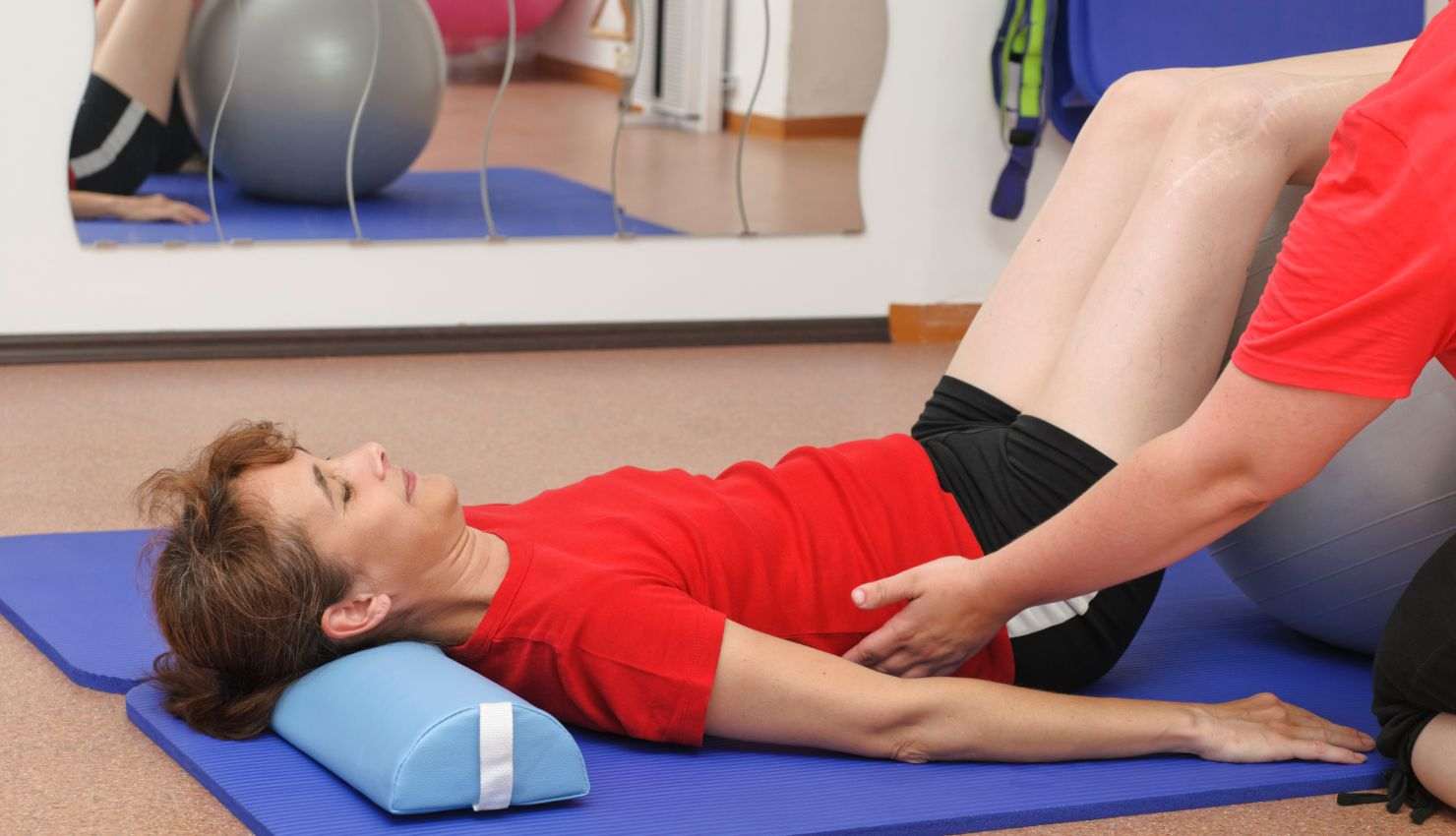
Why Mobility Is Challenging in Osteoporosis:
Osteoporosis leads to weakened, brittle bones, increasing the risk of fractures.
Fear of falling or injury often results in reduced movement and further physical decline.
Muscle weakness, poor balance, and postural changes can limit mobility.
? How Movement Therapy Helps Osteoporosis Patients
1. Builds Muscle Strength
Stronger muscles help support bones and reduce the risk of falls and fractures.
Focus is often on the hips, back, legs, and core.
2. Improves Balance and Coordination
Reduces fall risk through proprioceptive training and controlled movement.
Enhances confidence in daily mobility.
3. Increases Joint Flexibility and Range of Motion
Keeps the body agile and able to move without strain or stiffness.
Prevents compensatory patterns that increase injury risk.
4. Corrects Posture
Promotes spinal alignment to reduce kyphosis (rounded back) and protect vertebrae.
Prevents the forward stoop posture often seen in osteoporosis.
5. Boosts Confidence and Independence
Restores functional movement (e.g., walking, standing, reaching) in a safe and controlled way.
Reduces fear of movement and builds mental resilience.
?? Movement Therapy Techniques Safe for Osteoporosis
Technique Benefits
Weight-bearing exercises Stimulate bone health and strengthen legs and hips
Balance training Prevents falls and improves coordination
Core strengthening Stabilizes the spine and improves posture
Gentle stretching and mobility Maintains flexibility and prevents stiffness
Postural training Reduces spinal stress and improves alignment
?? Sample Movement Therapy Routine for Osteoporosis
Wall push-ups 2 sets of 10 reps (upper body and posture)
Sit-to-stand from a chair 2 sets of 10 reps (leg strength and function)
Marching in place (holding chair for balance) 12 minutes (balance and mobility)
Chest opener stretch 3 reps, 2030 seconds each (improves posture)
Heel-to-toe walking 2 passes across a room (balance training)
Pelvic tilts lying down 10 slow reps (core stability)
?? Avoid high-impact activities, forward spinal flexion (e.g., crunches), or twisting movements if you have osteoporosis.
?? Tips for Safe and Effective Movement Therapy
Always warm up first with gentle movements.
Use supportive footwear and stable surfaces.
Focus on posture and controlled breathing.
Work with a physiotherapist to tailor your routine and monitor progress.
Be consistent even 2030 minutes a day can make a big difference.