Poor posture can lead to chronic pain, muscle imbalances, and reduced mobility. Movement t…

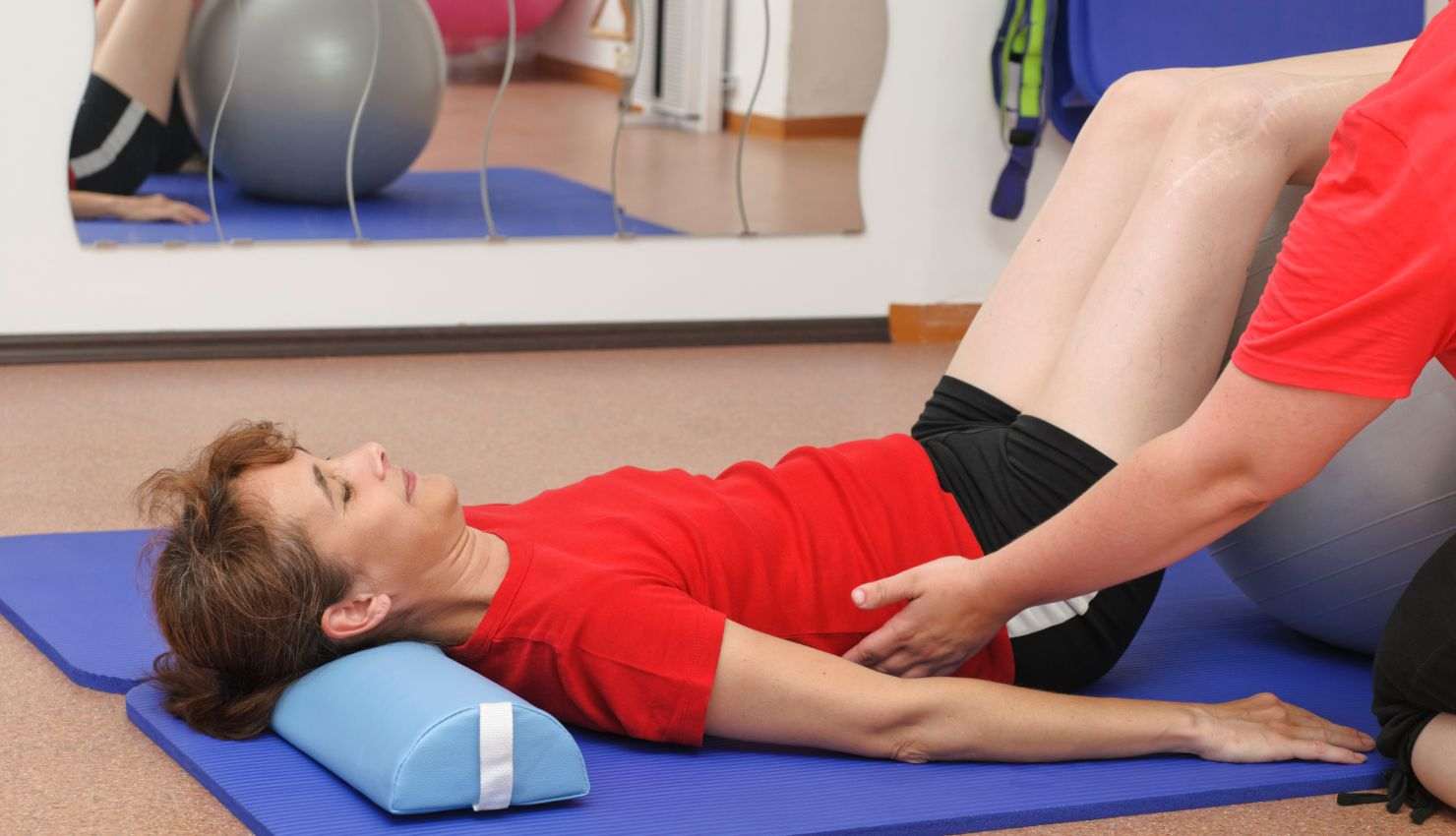
Poor posture can lead to chronic pain, muscle imbalances, and reduced mobility. Movement therapy offers a holistic approach to improving posture by retraining the body to move efficiently and align correctly. Below are effective movement therapy techniques that target postural correction:
1. Postural Awareness Training
Purpose: Builds mindfulness about how you sit, stand, and move.
Technique: Guided mirror work, posture checks during daily tasks, and feedback from a therapist to become more aware of misalignments.
Benefit: Helps correct poor habits before they become ingrained.
2. Core Strengthening Exercises
Purpose: Strengthens the deep abdominal and spinal muscles that support upright posture.
Examples:
Pelvic tilts
Planks (and modified versions)
Bird-dog
Benefit: Improves spinal stability and reduces slouching.
3. Stretching Tight Muscles
Purpose: Releases tension in muscles that pull the body out of alignment.
Target Areas:
Chest (pectorals) tightness here pulls shoulders forward
Hip flexors tightness can tilt the pelvis forward
Neck muscles help reduce forward head posture
Techniques: Static stretches, myofascial release, or active isolated stretching.
4. Strengthening Weak Postural Muscles
Purpose: Builds endurance in muscles that often become underused.
Key Muscles:
Rhomboids and lower trapezius (upper back)
Glutes
Deep neck flexors
Exercises:
Rows using resistance bands
Scapular squeezes
Chin tucks
5. Functional Movement Training
Purpose: Integrates posture correction into daily activities and movement patterns.
Examples:
Sit-to-stand exercises with correct spine alignment
Walking drills focusing on upright posture
Lifting techniques that maintain neutral spine
Benefit: Reinforces good posture in real-life contexts.
6. Pilates and Yoga-Based Movements
Purpose: Promote balance between strength, flexibility, and awareness.
Key Movements:
Cat-cow stretch
Bridge pose
Spinal twists
Benefit: Enhances spinal mobility and full-body alignment.
7. Breathwork and Diaphragmatic Breathing
Purpose: Encourages core engagement and relaxed posture.
Technique: Deep belly breathing with focus on expanding the ribs and diaphragm.
Benefit: Reduces tension in upper chest and shoulders, promotes calm, upright posture.
8. Balance and Alignment Drills
Purpose: Improves body awareness and alignment.
Examples:
Standing on one leg with posture cues
Wall posture checks (back against the wall: heels, hips, shoulder blades, and head touching