Joint mobilitythe ability of a joint to move freely through its full range of motionis e…

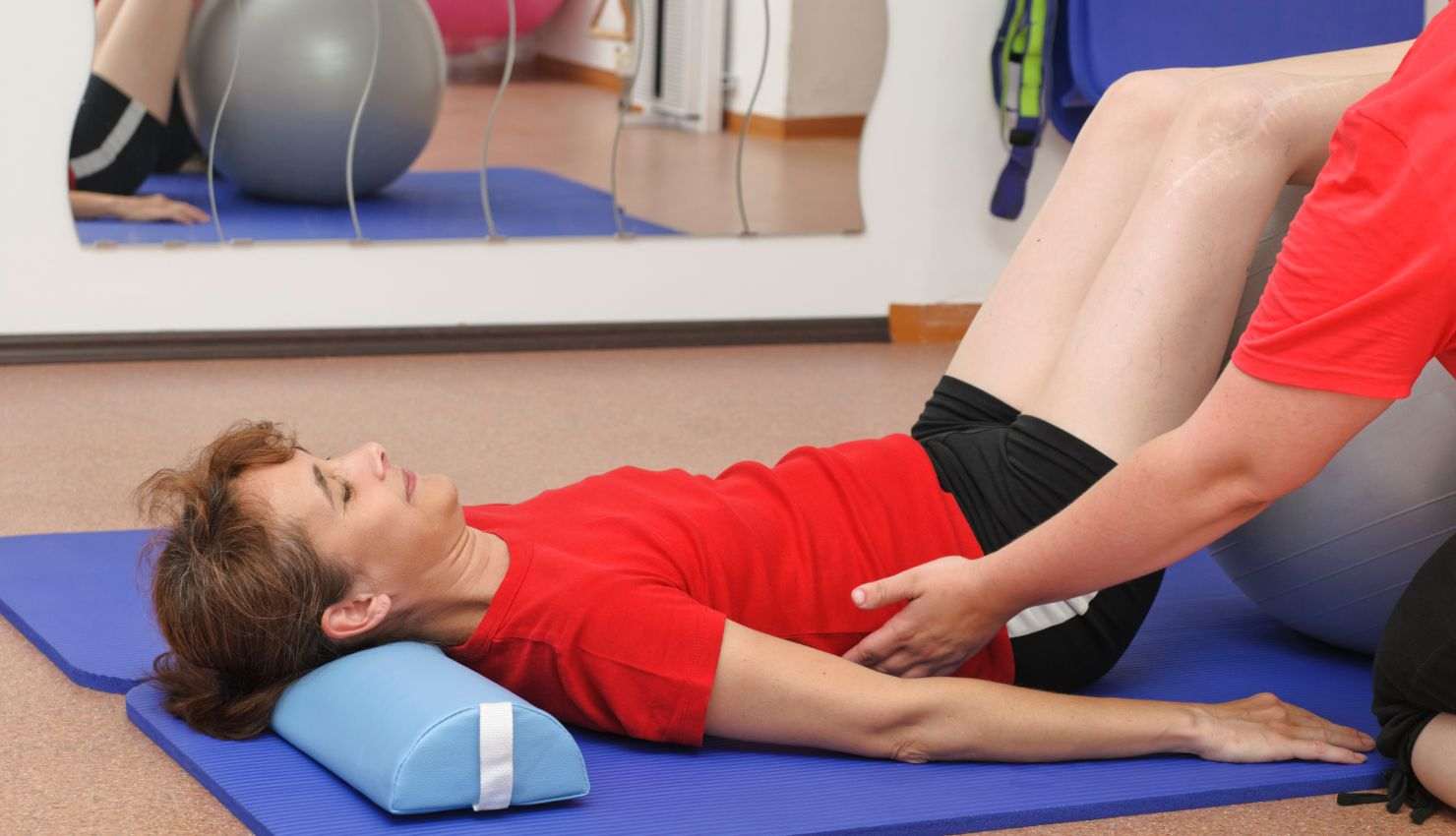
Joint mobilitythe ability of a joint to move freely through its full range of motionis essential for pain-free, efficient movement. Movement-based therapy offers a holistic, non-invasive way to restore and improve joint mobility by targeting the muscles, connective tissues, and neuromuscular systems around the joint. Here’s how it works and the most effective techniques involved:
?? Benefits of Movement-Based Therapy for Joint Mobility
Reduces stiffness and discomfort
Increases flexibility and functional range
Enhances circulation and tissue health
Prevents compensatory movement patterns and injuries
Supports long-term joint health and stability
?? Key Movement Therapy Techniques to Improve Joint Mobility
1. Dynamic Stretching
What it is: Controlled, active movements that take a joint through its full range.
Examples: Arm circles, hip swings, deep lunges with torso twists.
Benefit: Prepares the body for movement, warms up tissues, and improves flexibility.
2. Joint Mobilization
What it is: Passive or active techniques that target specific joint restrictions.
Often done by a therapist, but can include self-mobilization exercises like:
Band-assisted ankle dorsiflexion
Shoulder mobilization against a wall
Benefit: Increases joint glide and freedom of motion.
3. Controlled Articular Rotations (CARs)
What it is: Slow, intentional joint circles that explore maximum range without compensation.
Common in Functional Range Conditioning (FRC) practices.
Example: Hip CARs, shoulder CARs, wrist CARs.
Benefit: Maintains and expands joint capacity while improving neuromuscular control.
4. Proprioceptive Neuromuscular Facilitation (PNF) Stretching
What it is: Combines isometric contraction and passive stretching.
Technique: Stretch ? contract ? relax ? stretch deeper.
Example: Hamstring stretch with resistance band.
Benefit: Rapidly increases flexibility and range of motion.
5. Active Isolated Stretching
What it is: Brief stretches held for 12 seconds, repeated in sets.
Focuses on specific muscles and joints, often used in rehab and athletic settings.
Benefit: Promotes circulation and maintains muscle balance without overstressing tissue.
6. Strength Through Range (STR) Training
What it is: Strengthens muscles at end ranges of motion to stabilize joints.
Examples: Deep squats, end-range shoulder lifts, eccentric calf raises.
Benefit: Supports both mobility and stability, reducing injury risk.
7. Foam Rolling and Myofascial Release
What it is: Self-massage techniques that target tight or overactive fascia.
Common Tools: Foam rollers, massage balls, sticks.
Benefit: Releases tension in surrounding soft tissue, enabling freer joint movement.
?? Targeted Examples by Joint
Joint Common Exercises
Shoulders Wall slides, scapular retractions, CARs
Hips 90/90 transitions, deep lunges, hip circles
Ankles Banded dorsiflexion, calf raises, toe walks
Spine Cat-cow, thoracic extensions, segmental rolls
Knees Heel slides, hamstring curls, controlled squats
Wrists Wrist CARs, grip and release drills, wrist flexor stretches
?? Best Practices
Warm up before deeper mobility work.
Focus on quality over quantity.
Avoid forcing movement through pain.
Be consistentmobility gains take time and regular practice.
Work with a trained therapist if recovering from injury or dealing with chronic restrictions.