A spinal cord injury (SCI) can significantly impact mobility, sensation, and bodily functi…

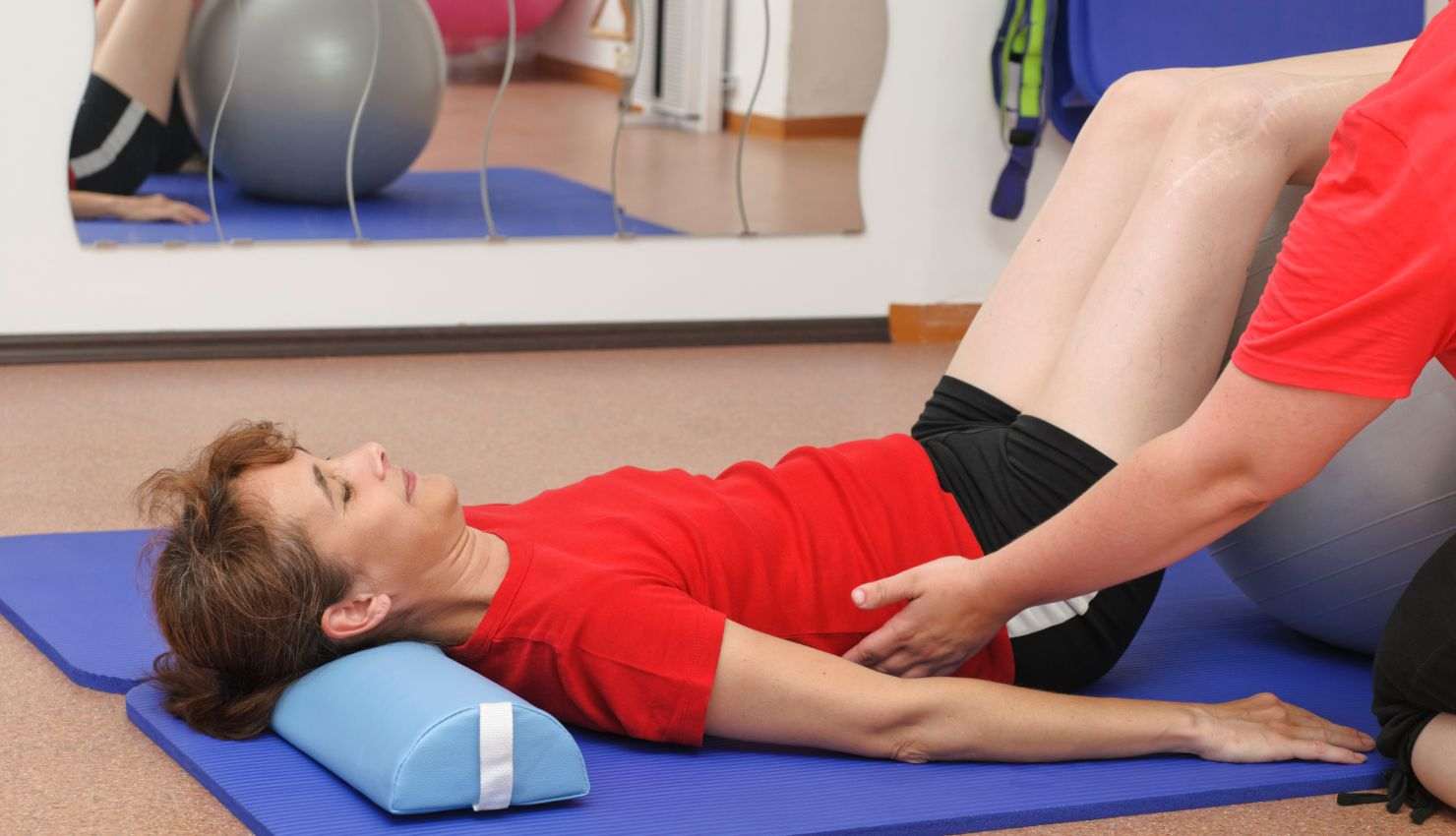
A spinal cord injury (SCI) can significantly impact mobility, sensation, and bodily function depending on the severity and location of the injury. While medical intervention is crucial in the early stages, movement therapy plays a key role in long-term rehabilitationsupporting recovery, improving function, and enhancing quality of life.
1. Encourages Neuroplasticity and Motor Recovery
One of the most important goals of movement therapy after SCI is to stimulate neuroplasticitythe nervous system’s ability to reorganize and form new neural pathways.
How it helps:
Repetitive, task-specific movement helps the brain and spinal cord relearn motor control.
Even passive or assisted movements can activate neural circuits and promote recovery.
Examples: Robotic-assisted walking, functional electrical stimulation (FES), task-oriented exercises
2. Maintains and Improves Range of Motion
After SCI, immobility can lead to joint stiffness, muscle contractures, and loss of flexibility. Movement therapy focuses on preserving range of motion (ROM) through daily exercises and manual techniques.
How it helps:
Prevents deformities and stiffness
Maintains joint health
Reduces the risk of pressure sores and circulatory issues
Examples: Passive stretching, active-assistive movements, upper and lower limb mobility drills
3. Builds Muscular Strength and Endurance
Depending on the level of injury, some muscle groups may still be partially functional. Movement therapy helps strengthen those muscles, improving independence and daily function.
How it helps:
Strengthens muscles above and below the injury
Improves posture and transfer ability
Supports respiratory and cardiovascular health
Examples: Resistance bands, aquatic therapy, gravity-minimized exercises
4. Enhances Trunk Stability and Core Control
For individuals with incomplete injuries or paraplegia, improving core strength is essential for sitting balance, transfers, and upper-body function.
How it helps:
Promotes spinal alignment and balance
Reduces risk of falls and overuse injuries
Enhances function in wheelchair users
Examples: Seated balance drills, pelvic tilts, stability ball exercises
5. Improves Circulation and Reduces Secondary Complications
Regular movement helps stimulate blood flow, preventing issues common in SCI patients such as deep vein thrombosis (DVT), swelling, and skin breakdown.
How it helps:
Prevents circulatory stagnation
Reduces edema and inflammation
Supports overall health and energy
Examples: Passive leg movements, positioning strategies, mobility exercises
6. Boosts Mental and Emotional Well-Being
Movement therapy isn’t just physicalit also provides psychological benefits by increasing confidence, reducing depression, and offering a sense of progress and control.
How it helps:
Encourages patient engagement and motivation
Supports stress relief and emotional balance
Promotes social interaction in group settings or therapy sessions
7. Reinforces Independence and Functional Skills
By focusing on practical, everyday tasks, movement therapy helps individuals relearn essential activities like transferring, dressing, and using assistive devices.
How it helps:
Increases independence in daily life
Reduces caregiver burden
Enhances long-term quality of life
Conclusion
Movement therapy is a vital component of spinal cord injury recovery. Whether the goal is full recovery or maximizing function within limitations, movement-based rehabilitation empowers individuals to regain control, prevent complications, and improve both physical and emotional outcomes. Customized plans, guided by experienced therapists, are key to unlocking each persons potential for recovery.