Spinal flexibility plays a vital role in posture, mobility, and overall functional movemen…

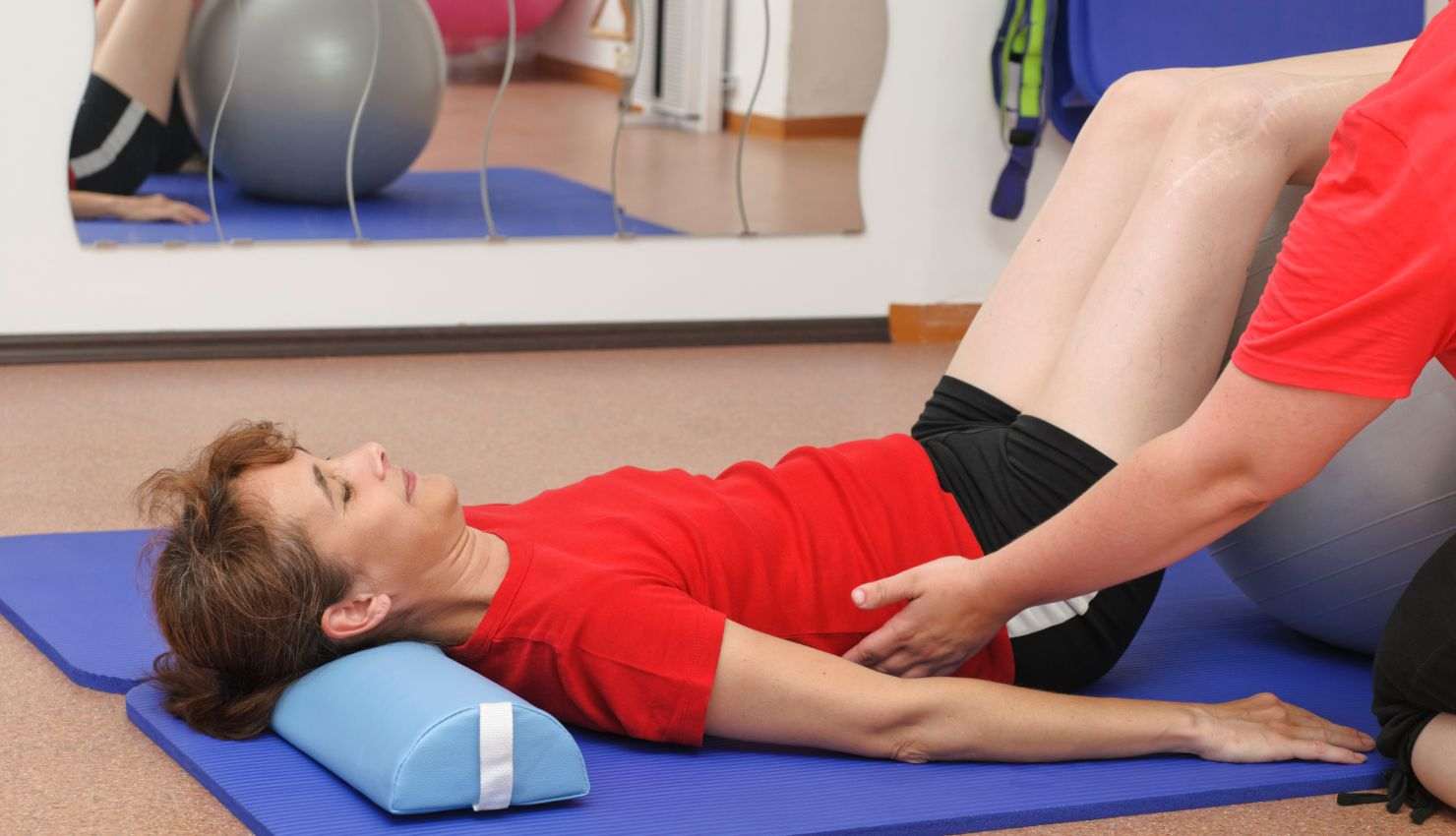
Spinal flexibility plays a vital role in posture, mobility, and overall functional movement. Whether youre recovering from injury, managing chronic pain, or simply aiming to move more freely, movement therapy offers safe and effective strategies to restore and enhance spinal flexibility.
Why Spinal Flexibility Matters
The spine supports your body and protects your spinal cord while allowing movement in multiple directionsflexion, extension, rotation, and lateral bending. Poor spinal flexibility can lead to:
Limited range of motion
Postural imbalances
Increased risk of injury
Chronic discomfort, especially in the neck or lower back
How Movement Therapy Helps
Movement therapy gently retrains the body to move efficiently while targeting areas of restriction. It emphasizes controlled, purposeful motion and neuromuscular re-education, rather than forcing stretches or using aggressive techniques.
Key Techniques to Improve Spinal Flexibility
1. Segmental Spinal Mobility Exercises
These exercises target each segment of the spine to restore smooth, controlled movement.
Examples:
Cat-Cow stretch
Pelvic tilts
Spinal wave drills
Benefits: Enhances coordination between spinal segments and releases stiffness
2. Dynamic Stretching and Controlled Movements
These movements prepare the spine for activity by gradually increasing range of motion.
Examples:
Standing trunk rotations
Side bends with arm reach
Seated spinal twists
Benefits: Encourages safe movement across all planes
3. Breath-Focused Mobilization
Breathing techniques are paired with spinal movement to improve flexibility and reduce tension.
Examples:
Diaphragmatic breathing with spinal extension
Inhale to lengthen the spine, exhale to deepen the movement
Benefits: Activates core muscles and calms the nervous system
4. Postural Re-education
Improving posture reduces strain on the spine and supports flexible alignment.
Examples:
Wall angels
Chin tucks
Thoracic extension over foam rollers
Benefits: Reverses postural habits that restrict spinal motion
5. Gentle Spinal Rotation and Lateral Flexion
Therapeutic rotations and side bends increase spinal mobility and reduce muscular imbalances.
Examples:
Supine spinal twists
Windshield wiper legs
Thread-the-needle pose
Benefits: Improves intervertebral disc hydration and muscular elasticity
6. Mind-Body Movement Techniques
Disciplines like yoga, Pilates, and Feldenkrais offer low-impact, structured movement that gently improves spinal flexibility over time.
Benefits:
Enhances body awareness
Builds core control alongside flexibility
Promotes long-term mobility without overstretching
Tips for Safe Practice
Start slowly and listen to your bodynever force a movement.
Focus on quality, not intensity or range.
Consistency is keyshort, daily sessions are more effective than infrequent intense efforts.
Work under the guidance of a physical therapist or movement specialist if recovering from injury.
Conclusion
Improving spinal flexibility through movement therapy offers more than just physical easeit supports your posture, balance, and overall well-being. By integrating gentle, mindful movement into your daily routine, you can restore healthy spinal motion and move through life with greater comfort and freedom.