Muscle activation and coordination are essential for smooth, efficient movement. When thes…

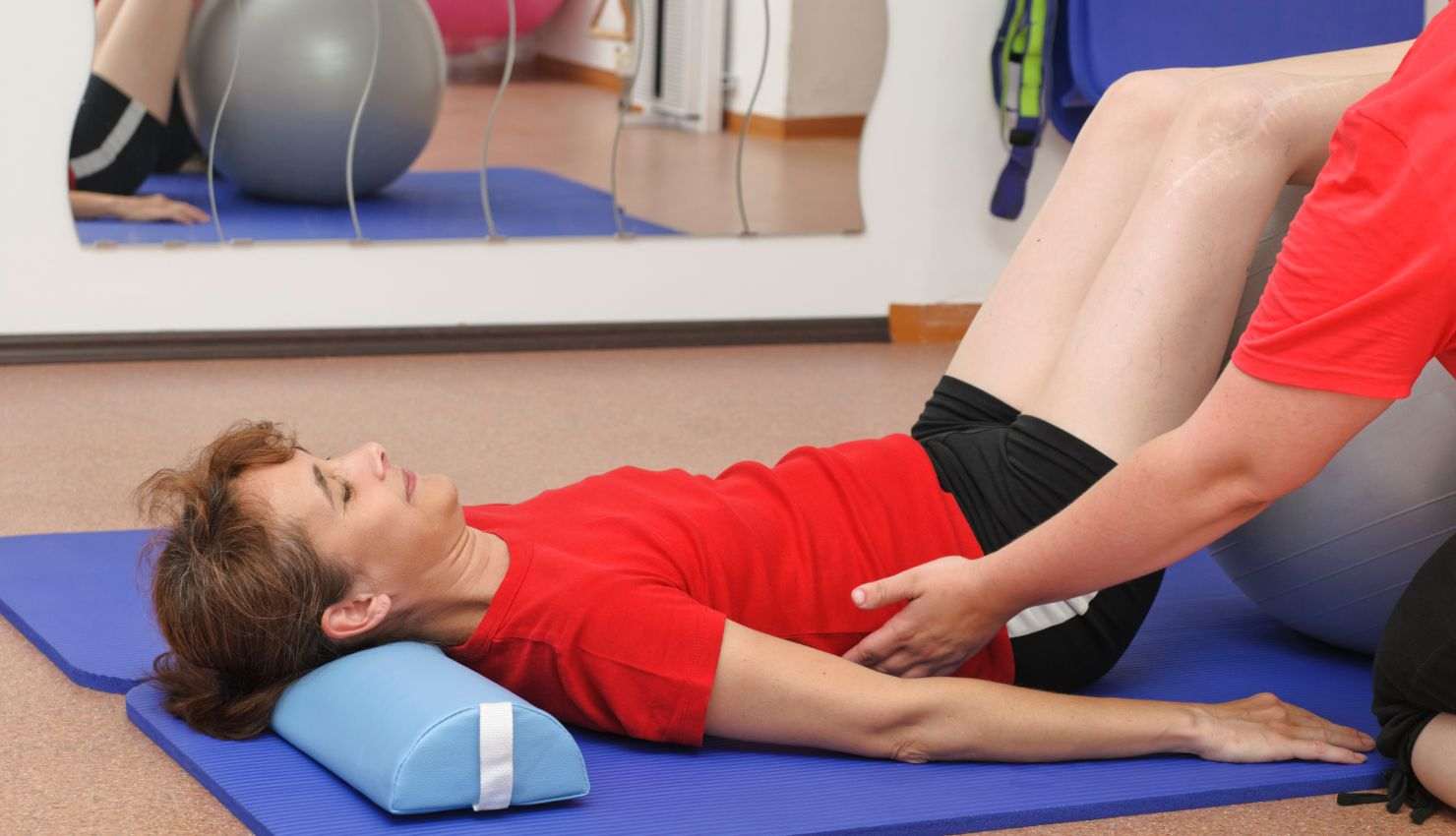
Muscle activation and coordination are essential for smooth, efficient movement. When these systems are disrupteddue to injury, surgery, neurological conditions, or inactivitymovement can become inefficient or even painful. Movement therapy helps restore proper muscle engagement and retrains the body to move in a balanced, integrated way.
Understanding Muscle Activation and Coordination
Muscle activation refers to the ability of a muscle to engage and generate force when needed.
Coordination involves the timing and control of multiple muscles working together during movement.
Poor activation or misfiring of muscles often leads to compensations, reduced performance, and risk of injury. Movement therapy addresses this by retraining the brain-body connection.
1. Reestablishing Neuromuscular Control
Movement therapy focuses on reactivating underused or inhibited muscles, especially those that should be active during fundamental movements like walking, sitting, or reaching.
How it helps:
Stimulates correct firing patterns
Encourages efficient use of primary stabilizers and movers
Reduces reliance on compensatory muscles
Examples: Glute bridges for hip activation, scapular setting for shoulder control, core bracing exercises
2. Enhancing Proprioception and Body Awareness
Proprioception is the body’s ability to sense its position in space. Movement therapy improves this by guiding patients through slow, intentional movements.
How it helps:
Improves coordination and joint alignment
Increases sensory feedback to the brain
Refines motor control
Examples: Balance work, single-leg drills, closed-chain movements like wall slides or squats
3. Correcting Muscle Imbalances
After injury or long-term poor posture, some muscles become overactive while others are underused. Movement therapy aims to restore balance by strengthening weak muscles and relaxing tight ones.
How it helps:
Promotes symmetrical movement
Reduces joint strain
Improves overall biomechanics
Examples: Stretching tight hip flexors while strengthening glutes, or releasing upper traps while activating lower traps and serratus anterior
4. Improving Movement Sequencing
In many functional movements, the timing and order in which muscles engage is critical. Movement therapy uses cueing and repetition to retrain proper sequencing.
How it helps:
Prevents injury caused by poor timing
Improves efficiency in movements like walking, squatting, or lifting
Builds coordination in dynamic tasks
Examples: Heel-toe walking for gait retraining, step-ups with core engagement, crawling patterns
5. Integrating Core Stability with Limb Movement
A strong, coordinated core acts as a foundation for limb movement. Movement therapy trains the core to stabilize while allowing smooth motion of the arms and legs.
How it helps:
Prevents energy leaks during movement
Improves balance and stability
Enhances force transfer across the body
Examples: Dead bugs, bird-dogs, resisted limb movements with a stable trunk
6. Promoting Symmetrical and Functional Movement Patterns
Movement therapy encourages real-life movement patterns rather than isolated muscle training. This approach is critical for sports performance, injury prevention, and daily activities.
How it helps:
Improves multi-joint coordination
Enhances movement fluency and rhythm
Supports long-term joint health
Examples: Squats, lunges, reach-and-roll patterns, transitional movements like getting up from the floor
Conclusion
Movement therapy improves muscle activation and coordination by retraining the nervous system, restoring balanced muscle function, and reinforcing healthy movement patterns. Whether you’re recovering from injury, managing a neurological condition, or seeking better performance, this therapeutic approach helps the body move smarter, stronger, and more efficiently.