Soft tissue injuriesincluding sprains, strains, tendonitis, and muscle tearsare common i…

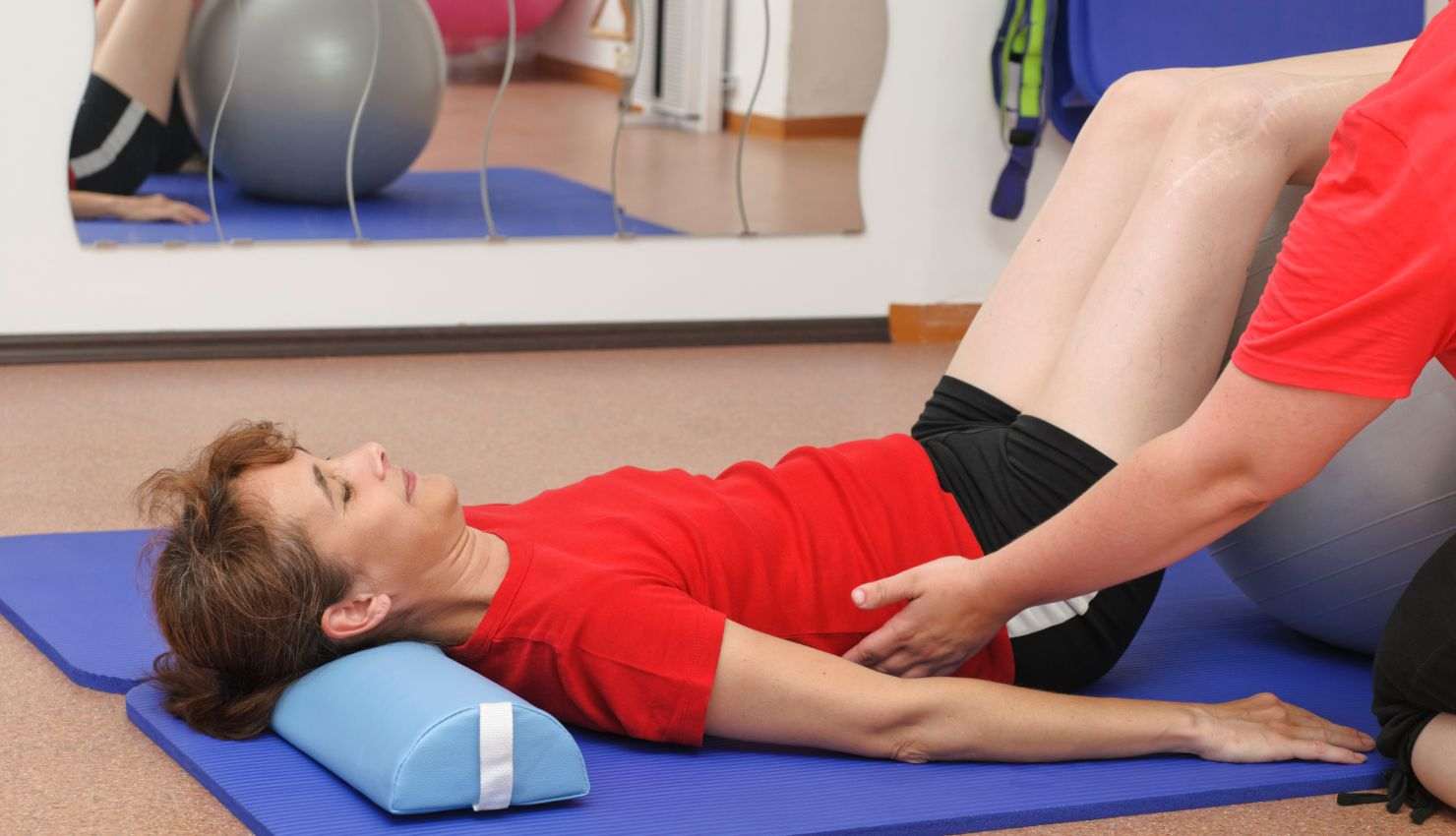
Soft tissue injuriesincluding sprains, strains, tendonitis, and muscle tearsare common in athletes, active individuals, and even those with sedentary lifestyles. These injuries can limit movement, cause pain, and delay recovery if not properly managed.
Movement therapy offers a gentle, structured, and progressive approach to treating soft tissue injuries. It focuses on restoring mobility, function, and tissue health without overloading the injured area.
What Are Soft Tissue Injuries?
Soft tissue injuries affect:
Muscles
Tendons
Ligaments
Fascia
These injuries may result from trauma, overuse, improper biomechanics, or sudden loading forces.
Common examples:
Ankle sprains
Rotator cuff strain
Hamstring tears
Tennis elbow
Plantar fasciitis
Goals of Movement Therapy in Soft Tissue Healing
Reduce pain and inflammation
Restore range of motion
Rebuild strength and endurance
Promote proper tissue remodeling
Prevent compensation patterns or re-injury
Phases of Soft Tissue Healing and Movement Therapy Techniques
1. Acute Phase (07 Days Post-Injury)
Goal: Protect the injury and minimize inflammation.
Techniques:
Pain-free passive range of motion (PROM)
Gentle isometrics to maintain muscle activation without movement
Controlled breathing and relaxation to reduce tension
Benefits:
Promotes circulation
Prevents stiffness and disuse atrophy
Sets the stage for healing
2. Subacute Phase (13 Weeks)
Goal: Restore mobility and begin light muscle engagement.
Techniques:
Active range of motion (AROM) exercises
Gentle stretching and soft tissue mobilization
Low-load functional movements (e.g., partial weight-bearing squats, arm circles)
Benefits:
Encourages tissue alignment and flexibility
Restores neuromuscular control
Reduces risk of adhesions or scar tissue buildup
3. Remodeling Phase (36+ Weeks)
Goal: Rebuild strength, endurance, and full function.
Techniques:
Progressive resistance exercises
Eccentric loading (controlled lengthening of the muscle)
Functional movement retraining (e.g., squats, lunges, steps)
Benefits:
Strengthens healed tissues
Improves tissue elasticity
Restores normal biomechanics
Core Movement Therapy Techniques
1. Gentle Mobility Drills
Target pain-free movement within the affected area to maintain or restore joint and soft tissue flexibility.
Examples:
Ankle circles for sprains
Shoulder pendulums for rotator cuff recovery
Cat-cow for spinal muscle strain
2. Isometric Exercises
Activate muscles without joint movement to preserve strength without stressing healing tissues.
Examples:
Wall sits for knee rehab
Isometric glute squeezes for hip injury
Core bracing for lower back injuries
3. Proprioceptive and Balance Training
Improve joint stability and reestablish neuromuscular control after injury.
Examples:
Single-leg stance for ankle rehab
Stability ball exercises for shoulder or core injuries
Balance pad training for knee injury recovery
4. Myofascial Release and Stretching
Reduce tension, improve circulation, and restore tissue length and mobility.
Examples:
Foam rolling quads and calves
Gentle static stretching of the hamstrings
Trigger point release for tight muscles
5. Functional Movement Re-training
Rebuild normal movement patterns to support daily tasks and physical activity.
Examples:
Sit-to-stand drills
Modified lunges or squats
Shoulder reach and lift progressions
When to Use Movement Therapy
Movement therapy is beneficial for:
Muscle strains and ligament sprains
Tendonitis or tendinopathy
Repetitive strain injuries
Post-surgical soft tissue recovery
Reconditioning after immobilization
Conclusion
Movement therapy plays a vital role in treating soft tissue injuries by guiding safe, progressive movement that supports healing. By focusing on proper activation, mobility, and functional strength, this approach helps reduce pain, restore performance, and prevent future injury. Whether you’re recovering from a sports injury or overuse strain, movement therapy ensures a safe return to activity.