Tension headaches are one of the most common types of headaches, often caused by muscle ti…

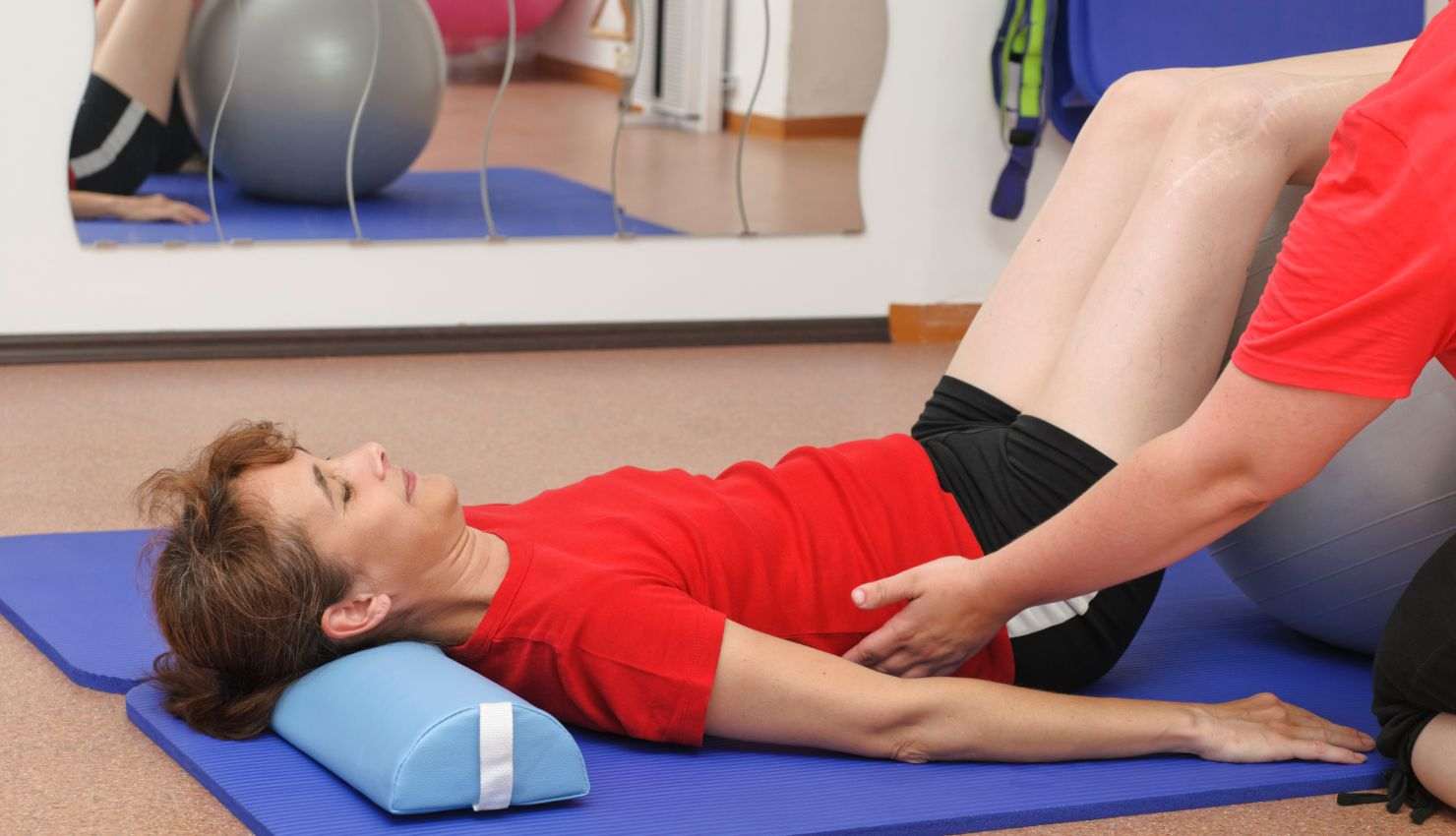
Tension headaches are one of the most common types of headaches, often caused by muscle tightness, poor posture, stress, and limited mobility in the neck, shoulders, and upper back. While medication may offer temporary relief, movement therapy addresses the root physical causeshelping to reduce headache frequency, intensity, and duration through targeted movement, posture correction, and relaxation techniques.
Understanding Tension Headaches
Tension headaches typically present as:
A dull, aching pressure around the forehead or the back of the head and neck
Sensation of tightness or a band around the head
Triggered by stress, poor posture, or muscle tension
Contributing factors include:
Forward head posture
Tight neck and shoulder muscles
Jaw clenching or bruxism
Reduced cervical spine mobility
Prolonged sitting or screen use
Goals of Movement Therapy for Tension Headaches
Relieve muscular tension
Improve posture and alignment
Restore mobility in the neck and shoulders
Reduce stress through gentle, mindful movement
Effective Movement Therapy Techniques
1. Neck and Shoulder Mobility Exercises
These gentle movements improve circulation and release tight muscles that contribute to headache pain.
Chin tucks: Retract the head straight back (like making a double chin) to reduce forward head posture.
Neck rotations: Slowly turn your head side to side without forcing the range.
Shoulder rolls: Roll shoulders forward and backward to loosen traps and upper back.
Benefits: Reduces neck compression, relaxes cervical muscles, and improves posture.
2. Stretching for the Upper Body
Target areas that commonly hold tension contributing to headaches.
Upper trapezius stretch: Tilt your head to one side and gently stretch the neck.
Levator scapulae stretch: Look down and to one side, gently pulling the head diagonally forward.
Chest stretch: Stand in a doorway and open up the chest to counteract slouched posture.
Benefits: Lengthens shortened muscles and opens up the upper body for better blood flow.
3. Postural Correction and Awareness
Many tension headaches stem from poor posture, especially during desk work or prolonged sitting.
Wall posture check: Stand with your back against the wall (heels, buttocks, and head touching) and engage your core.
Seated posture drills: Sit tall with shoulders back, ears over shoulders, and feet flat. Reset posture every 30 minutes.
Tip: Use reminders or apps to cue posture checks during the day.
4. Breathing and Relaxation Movements
Stress is a major trigger of tension headaches. Integrating breathing with movement helps activate the parasympathetic nervous system and reduce overall muscle tone.
Diaphragmatic breathing: Lie on your back and breathe into the belly, not the chest.
Gentle yoga flows: Cat-cow stretches, childs pose, or seated spinal twists encourage relaxation and mobility.
Benefits: Reduces physical and emotional stress that tightens muscles.
5. Scapular and Cervical Stabilization
Strengthening weak postural muscles helps maintain alignment and prevent recurrence.
Scapular retraction drills: Pull shoulder blades back and down to engage mid-back.
Neck isometrics: Apply gentle resistance with your hand against head movements to build neck stability.
Benefits: Enhances muscular support for the head and neck.
Sample Daily Routine (1015 Minutes)
Neck mobility chin tucks, side bends, rotations (2 min)
Stretching trapezius, chest, shoulder rolls (3 min)
Posture check + wall stand (2 min)
Breathing exercise or cat-cow yoga flow (35 min)
Neck and scapular strengthening (23 min)
When to Use Movement Therapy
At the onset of tension headache symptoms
Prevention during stressful days or desk work
Post-activity to cool down tight muscles
As part of a comprehensive headache management plan (alongside hydration, sleep hygiene, and stress reduction)
Conclusion
Movement therapy offers an effective, non-invasive approach to managing tension headaches by addressing the muscular and postural imbalances that often trigger pain. With consistent practice, you can reduce headache frequency, restore comfort, and build greater resilience to stress and physical tension.