Recovering from a traumatic injurywhether due to an accident, fall, sports incident, or s…

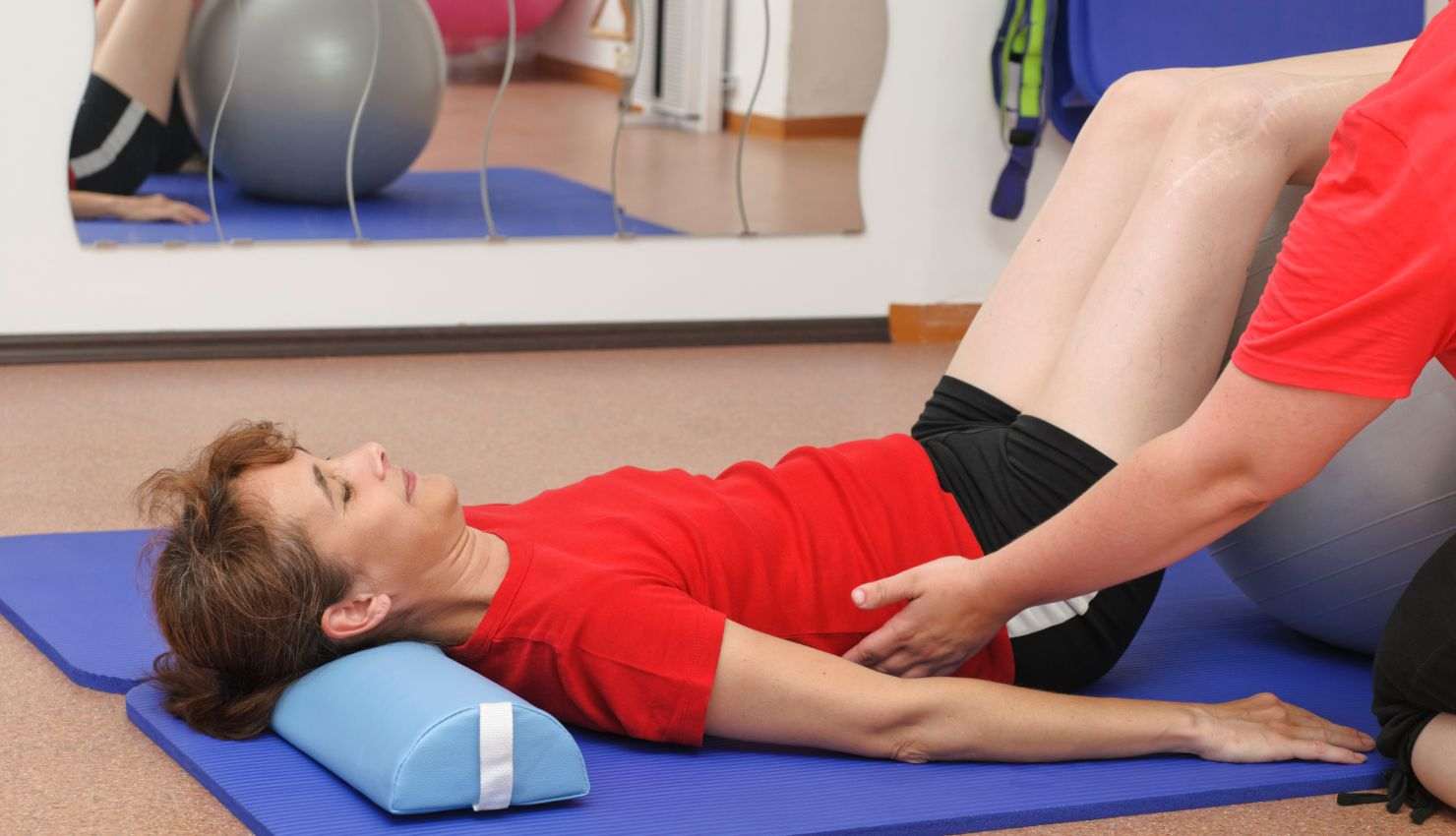
Recovering from a traumatic injurywhether due to an accident, fall, sports incident, or surgeryis a complex process that involves not only physical healing but also emotional and neurological restoration. Movement therapy plays a vital role in this journey by using purposeful, guided motion to restore mobility, reduce pain, rebuild strength, and support psychological recovery.
Unlike standard rehabilitation exercises, movement therapy takes a holistic and often gentler approach, focusing on restoring natural movement patterns, re-establishing body awareness, and encouraging full-body integration.
The Impact of Traumatic Injuries on the Body
Traumatic injuries can lead to:
Loss of range of motion
Muscle atrophy and weakness
Impaired coordination or balance
Chronic pain or stiffness
Disrupted movement patterns or postural compensation
Emotional trauma, fear of movement (kinesiophobia), and disconnection from the body
Without proper retraining, the body may adopt compensatory behaviors that slow recovery and increase risk of re-injury.
How Movement Therapy Supports Healing
Movement therapy helps by:
Re-educating the body on natural and efficient movement
Stimulating neuromuscular connections to restore coordination
Preventing compensatory movement patterns
Enhancing proprioception (body awareness in space)
Supporting emotional release and psychological recovery
Reducing muscle guarding and tension caused by trauma or fear
It can be used alongside physical therapy, occupational therapy, and mental health care for comprehensive rehabilitation.
Core Techniques Used in Movement Therapy After Trauma
1. Gentle Range-of-Motion and Mobility Work
These movements restore flexibility to joints and tissues without stressing the healing area.
Examples:
Passive and active-assisted limb movements
Controlled spinal mobility (e.g., pelvic tilts, cat-cow)
Joint circles and gentle rotations
Benefits: Reduces stiffness and promotes circulation and tissue healing.
2. Somatic Awareness and Mindful Movement
Trauma often disconnects individuals from parts of their body. Re-establishing awareness is key.
Examples:
Body scanning with movement
Feldenkrais- or Alexander technique-inspired micro-movements
Breathing with subtle positional changes
Benefits: Reconnects brain to body and reduces guarding patterns.
3. Functional Movement Re-Education
Focuses on rebuilding everyday movement skills like walking, reaching, and bending.
Examples:
Sit-to-stand drills
Step retraining or gait re-patterning
Rehearsing safe bending/lifting techniques
Benefits: Restores independence and prevents future strain or injury.
4. Core Stability and Alignment Work
Injury can destabilize core and postural muscles, which must be reactivated.
Examples:
Supine core engagement (e.g., dead bug, pelvic clocks)
Standing posture realignment and stacking exercises
Wall-supported movements for feedback
Benefits: Promotes efficient movement and reduces pain.
5. Breath and Movement Integration
Breath work improves oxygenation and helps calm the nervous system.
Examples:
Coordinating movement with inhaling/exhaling
Diaphragmatic breathing with shoulder or ribcage mobilization
Breath-holding release for anxiety and tension
Benefits: Regulates stress, supports healing, and improves movement quality.
Psychological Benefits of Movement Therapy Post-Injury
Traumatic injuries often carry emotional consequences such as:
Fear of re-injury
Anxiety or depression
PTSD or trauma-related symptoms
Movement therapy addresses these by:
Encouraging safe, empowering experiences with the body
Promoting self-trust and confidence through achievable goals
Allowing for emotional expression through motion
Helping re-establish a positive relationship with movement and the injured area
When to Use Movement Therapy in the Recovery Process
Early Phase: Passive and breath-based movement to reduce stiffness and stimulate circulation
Middle Phase: Active-assisted, functional, and coordination work to rebuild strength and confidence
Late Phase: Integrated, full-body movement to restore fluidity and prevent compensation
Always consult with a healthcare professional to ensure movement therapy is safe and appropriate for the individuals condition and stage of recovery.
Conclusion
Movement therapy is a powerful and adaptive tool in the recovery from traumatic injuries. It supports physical healing, rewires the nervous system, improves mobility and coordination, and addresses the psychological impact of trauma. Whether used on its own or alongside traditional rehab, it helps individuals regain not just functionbut also a deeper, more confident connection to their body.