Injury prevention and optimal mobility are key pillars of a long, active, and pain-free li…

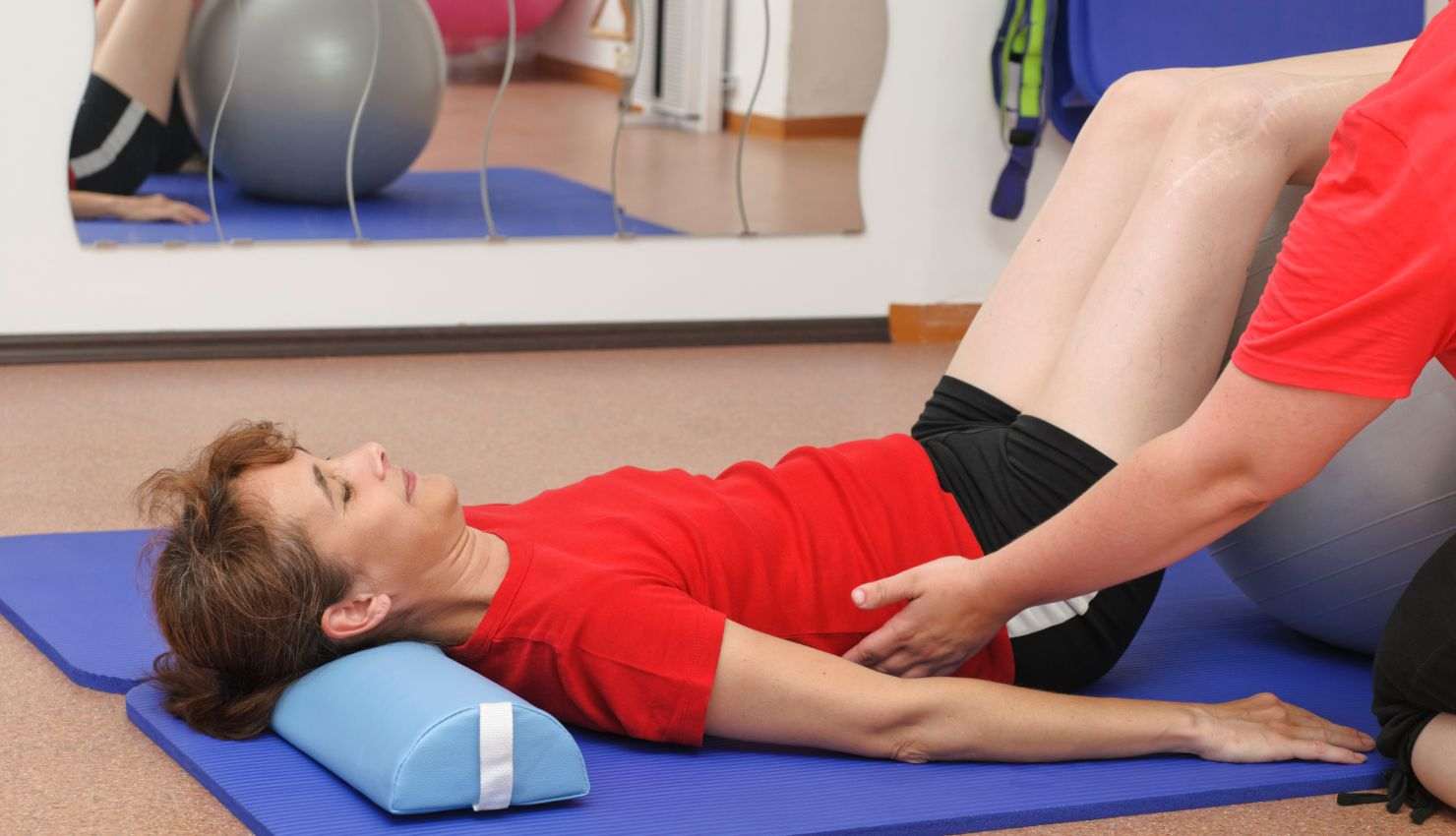
Injury prevention and optimal mobility are key pillars of a long, active, and pain-free life. Whether you’re an athlete, office worker, or recovering from past injuries, movement therapy offers targeted techniques to improve how your body movesbefore problems arise.
Unlike conventional exercise, movement therapy emphasizes quality over quantity, helping you identify and correct dysfunctional patterns, build joint stability, and maintain fluid, injury-resistant motion.
? Why Prevention and Mobility Matter
Injuries often occur due to poor movement mechanics, imbalances, or restricted joint motion.
Mobility refers not just to flexibility but also to the ability to move with control and stability.
Movement therapy strengthens these foundationsensuring your body can handle stress, impact, and everyday demands without breaking down.
?? How Movement Therapy Prevents Injury
Corrects Poor Movement Patterns
Identifies inefficient motions (e.g., collapsed knees, stiff hips) that place strain on joints and tissues.
Improves Joint Mobility and Control
Promotes healthy joint range while teaching your body how to stabilize through movement.
Enhances Body Awareness (Proprioception)
Improves your sense of balance, timing, and spatial controlkey to avoiding falls and missteps.
Rebalances Muscular Systems
Strengthens underused muscles and releases overactive ones to restore symmetry.
Trains Movement in Real-Life Contexts
Prepares your body for functional tasks like squatting, bending, twisting, and lifting.
??? Movement Therapy Techniques for Injury Prevention & Mobility
1. Dynamic Mobility Drills
Controlled movements that warm up joints and tissues.
Examples: Leg swings, spinal twists, shoulder rolls, hip openers.
Benefit: Loosens up restrictions while improving coordination.
2. Functional Movement Screening & Correction
Evaluates basic movements (e.g., squat, lunge, overhead reach) for compensations.
Followed by corrective exercises to improve alignment and joint motion.
Benefit: Prevents breakdowns in form that lead to overuse or strain.
3. Stability and Core Control Training
Builds strong foundations for balance and injury resilience.
Examples: Bird-dogs, side planks, glute bridges, single-leg balance work.
Benefit: Protects the spine, hips, and knees during motion.
4. Controlled Articular Rotations (CARs)
Slowly explores and strengthens joints through their full range of motion.
Applied to shoulders, hips, spine, ankles, and more.
Benefit: Maintains joint health and prevents mobility loss.
5. Fascial and Myofascial Release
Uses foam rollers, massage tools, or gentle pressure to release soft tissue tension.
Focuses on areas that restrict mobility, like calves, IT band, or upper back.
Benefit: Improves flexibility and reduces movement restrictions.
6. Breath-Guided Movement
Teaches diaphragmatic breathing during mobility exercises or stretches.
Used in yoga, somatics, and postural therapy.
Benefit: Reduces muscular tension and activates the parasympathetic nervous system for better coordination.
?? Who Can Benefit?
Athletes: Reduce injury risk and boost performance
Seniors: Prevent falls, joint stiffness, and mobility loss
Rehabilitation patients: Rebuild safe, functional movement post-injury
Office workers: Reverse the effects of prolonged sitting
Fitness beginners: Build a strong movement foundation safely
?? Benefits You Can Expect
Fewer injuries and faster recovery
Better joint health and range of motion
Improved balance and coordination
Reduced chronic tension or tightness
Easier movement in daily activities or sports
?? Sample Daily Movement Therapy Routine (1015 minutes)
Dynamic Warm-Up (3 min): Spinal rolls, shoulder circles, deep lunge with twist
Mobility Focus (5 min): Hip CARs, ankle mobility, thoracic rotation
Stability Work (5 min): Glute bridges, single-leg balance with reach
Breath & Stretch Cool Down (2 min): Seated forward fold with deep breathing
?? Conclusion
Movement therapy is a proactive way to safeguard your body against injury while unlocking greater mobility. Through personalized, purposeful movement, it retrains your body to move well, move often, and move safelymaking it an essential practice for lifelong physical health.