The upper bodycomprising the shoulders, chest, arms, and upper backis essential for func…

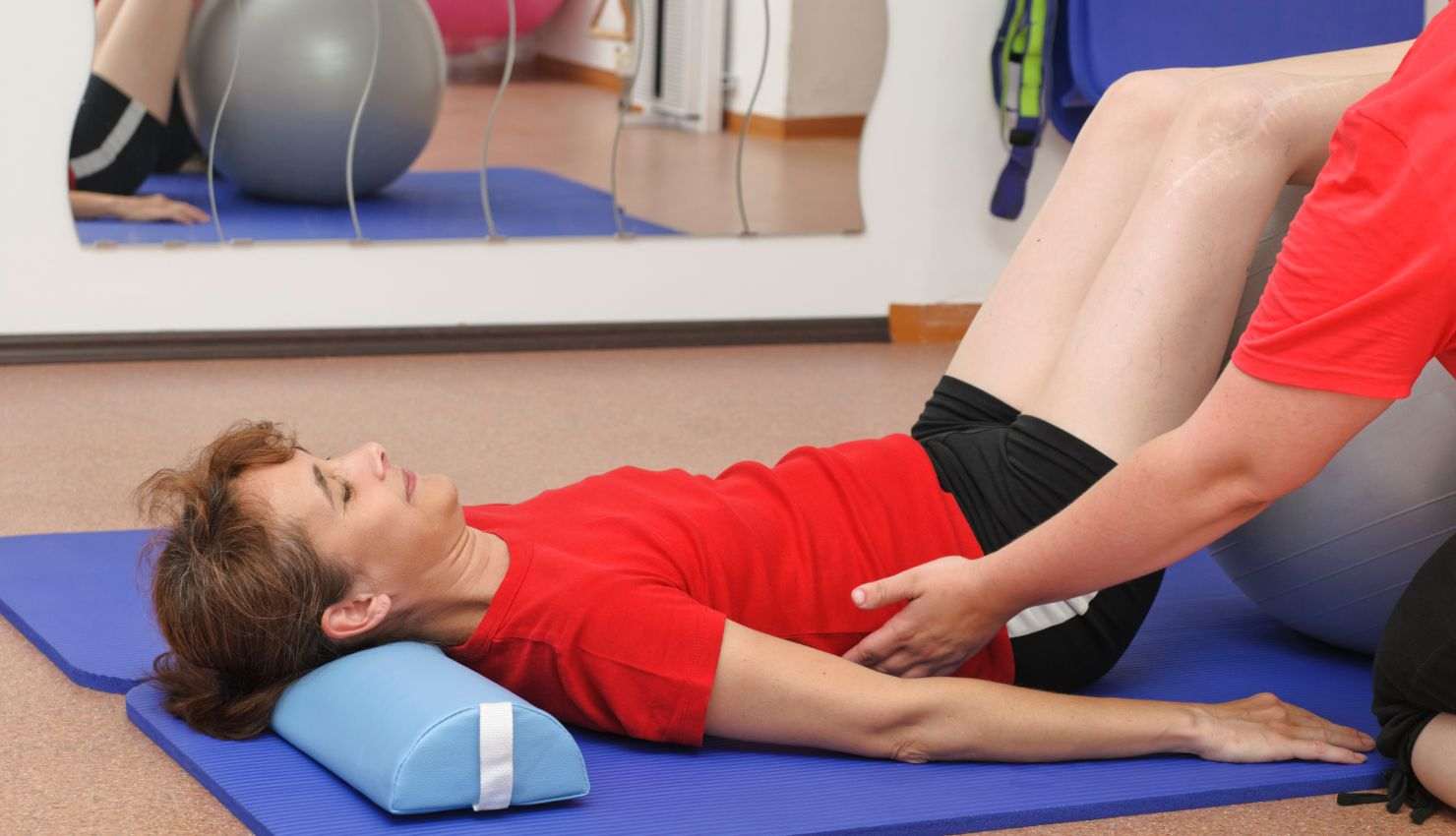
The upper bodycomprising the shoulders, chest, arms, and upper backis essential for functional movement, posture, and daily activities like lifting, pushing, pulling, and reaching. Movement therapy focuses on restoring proper movement patterns while building strength safely and effectively, especially after injury, postural issues, or weakness caused by inactivity.
Unlike traditional strength training, movement therapy emphasizes neuromuscular coordination, joint integrity, and functional movement, ensuring that strength gains are both effective and sustainable.
?? Why Upper Body Strength Matters
Enhances posture and reduces slouching
Supports shoulder and neck health
Increases capacity for lifting and reaching
Prevents injury during sports or manual labor
Helps in recovery from surgeries or injuries (e.g., rotator cuff, whiplash)
?? How Movement Therapy Builds Upper Body Strength
Corrects Dysfunctional Movement Patterns
Strengthens muscles in the correct sequence to avoid compensation.
Promotes Joint Stability Before Loading
Focuses on activating stabilizer muscles like the rotator cuff and scapular retractors.
Targets Mobility and Strength Together
Builds strength through a full range of motionkey for joint resilience.
Emphasizes Neuromuscular Control
Develops the brain-body connection for better coordination and muscle recruitment.
??? Effective Movement Therapy Techniques for Upper Body Strength
1. Scapular Stability and Shoulder Control
A stable shoulder blade (scapula) is foundational for safe arm and shoulder movement.
Exercises:
Scapular retractions (pull shoulders back without shrugging)
Wall slides
Shoulder taps in plank position
Benefit: Prevents shoulder impingement and supports posture.
2. Isometric and Controlled Movements
Builds strength without movement, which is ideal early in rehab or when range is limited.
Exercises:
Isometric wall pushes
Forearm planks
Static holds in external rotation (using a band)
Benefit: Activates key stabilizers and prevents compensation.
3. Bodyweight Functional Strength
Teaches the upper body to work as an integrated unit.
Exercises:
Incline push-ups
Quadruped (all fours) rockbacks with shoulder engagement
Bear crawls and wall walks
Benefit: Builds strength while reinforcing core and shoulder stability.
4. Resistance Band Training
Offers controlled resistance that supports joint-friendly strengthening.
Exercises:
Band rows and pull-aparts
External rotations
Overhead presses
Benefit: Enhances muscle activation while protecting joints.
5. Mobility-Based Strength Training
Involves strengthening through dynamic range to improve joint mobility and control.
Exercises:
Arm circles with light weights
Shoulder controlled articular rotations (CARs)
Prone Y-T-Ws (for scapular and thoracic activation)
Benefit: Improves flexibility and reduces stiffness while building usable strength.
6. Breath-Integrated Movement
Connects movement with breath to reduce tension and improve form.
Techniques:
Exhale during exertion (e.g., push-ups)
Inhale to prepare joints before lifting
Benefit: Enhances stability, motor control, and reduces muscle guarding.
?? Who Can Benefit?
Office workers with postural fatigue
Athletes needing shoulder and core strength
Older adults improving independence and function
Post-surgery patients (e.g., rotator cuff or neck recovery)
Beginners looking for safe, structured upper body strength
?? Benefits of Movement Therapy for Upper Body Strength
Safer, joint-friendly strengthening
Improved coordination and balance
Stronger shoulders, arms, chest, and back
Better posture and less neck strain
Foundation for athletic and daily activities
?? Sample Upper Body Movement Therapy Routine (Beginner)
Warm-Up (35 min)
Arm swings, scapular circles, gentle shoulder rolls
Scapular Activation (3 min)
Wall slides x 10
Band pull-aparts x 15
Functional Strength (57 min)
Incline push-ups x 10
Bird-dog with reach x 10/side
Isometric plank (30 sec)
Mobility & Cooldown (3 min)
Shoulder CARs
Thoracic rotation stretches
Diaphragmatic breathing
?? Conclusion
Movement therapy provides a structured, mindful approach to building upper body strengthespecially for those with injuries, imbalances, or poor posture. By improving alignment, joint control, and muscle engagement, it lays a strong foundation for both rehabilitation and peak performance.