Functional fitness refers to the ability to move with strength, coordination, and efficien…

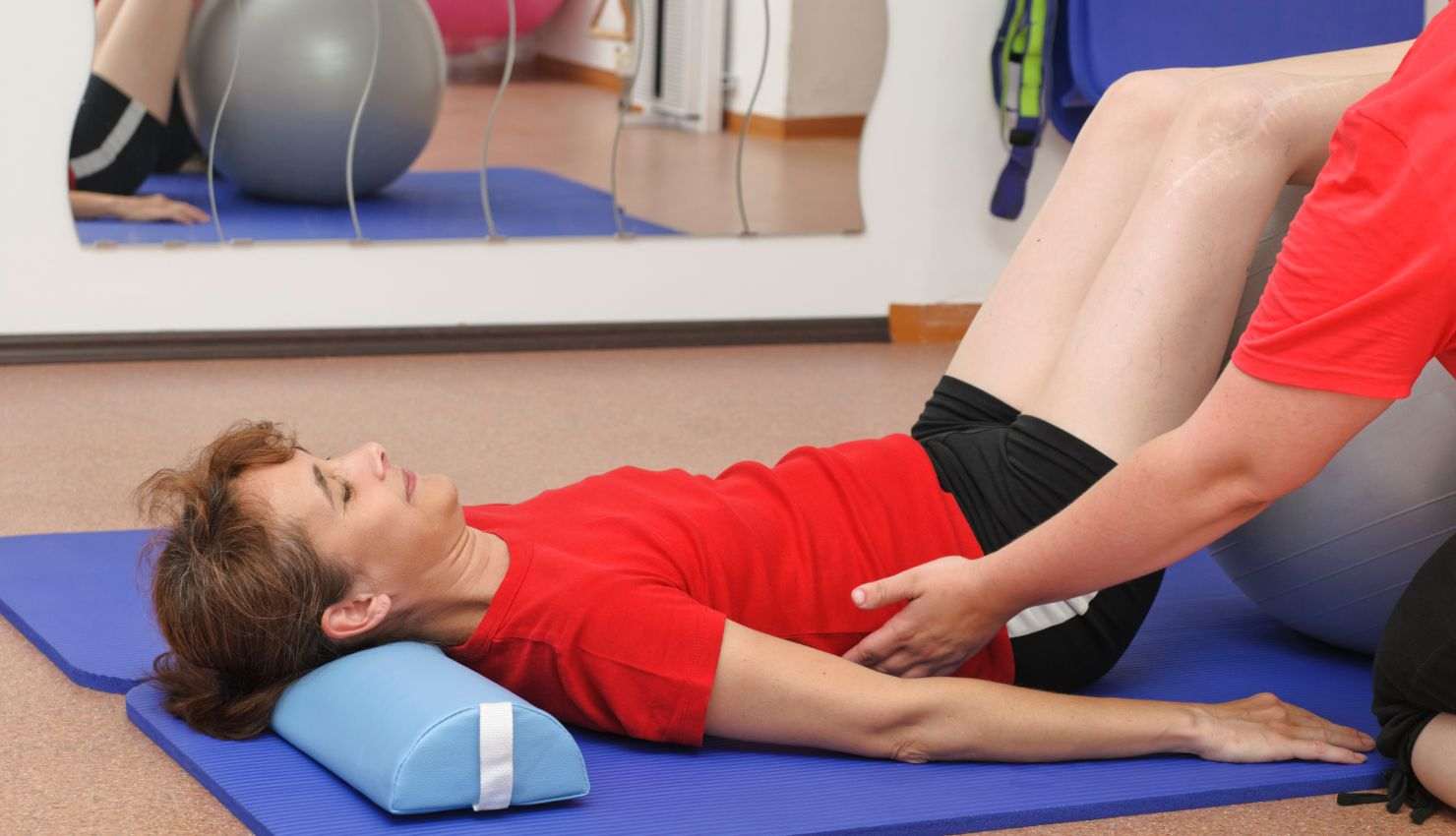
Functional fitness refers to the ability to move with strength, coordination, and efficiency in everyday lifewhether it’s picking up a child, climbing stairs, or carrying groceries. Movement therapy directly supports and enhances this by restoring natural movement patterns, improving joint function, and building foundational strength and mobility.
Rather than isolating muscles, movement therapy focuses on integrated, purposeful movement, making it a powerful tool for developing true functional fitness.
?? What Is Functional Fitness?
Functional fitness is the ability to:
Move safely and effectively during real-life tasks
Maintain balance, flexibility, and strength through complex motions
Use multiple joints and muscle groups in coordination
Reduce the risk of injury in daily activities or sports
?? How Movement Therapy Supports Functional Fitness
? 1. Corrects Dysfunctional Movement Patterns
Movement therapy identifies and retrains poor motor habits that can lead to pain or inefficiency.
Encourages better alignment, control, and biomechanics.
Example: Teaching proper hip hinge mechanics to prevent back strain during lifting.
? 2. Builds Joint Mobility and Stability
Functional movements require both flexibility and control.
Movement therapy improves joint range without sacrificing strength or alignment.
Example: Improving ankle mobility for deep squats or stair climbing.
? 3. Enhances Core Strength and Coordination
The core stabilizes the body during all functional tasks.
Movement therapy integrates deep core activation with full-body movement.
Example: Bird-dogs and anti-rotation exercises for trunk control during bending or twisting.
? 4. Promotes Movement Efficiency and Balance
Encourages smooth, coordinated motion through better neuromuscular control.
Reduces compensation patterns (e.g., overusing shoulders or lower back).
Example: Teaching proper shoulder-scapula coordination for reaching and lifting.
? 5. Improves Proprioception and Body Awareness
Trains your brain to know where your body is in space.
Essential for agility, balance, and fall prevention.
Example: Single-leg balance drills with head or arm movements.
? 6. Supports Injury Prevention and Recovery
Corrective movements reduce wear and tear during everyday tasks or workouts.
Ideal for rebuilding fitness post-injury or after long periods of inactivity.
Example: Using mobility and activation drills to return to functional squatting post-knee injury.
??? Functional Movement Therapy Techniques
Functional Movement Screens (FMS)
Assess squatting, lunging, reaching, and stepping patterns
Identify asymmetries or mobility limitations
Controlled Articular Rotations (CARs)
Strengthen joints through full ranges of motion
Integrated Core Training
Planks, dead bugs, and rotational stability drills
Dynamic Mobility Flows
Yoga-inspired or animal flow sequences that mimic daily movement demands
Loaded Carries and Ground-Based Movements
Farmers carries, get-ups, and crawling patterns that build real-world strength
?? Benefits of Integrating Movement Therapy into Functional Fitness
Moves better, not just harder
Reduces injury risk during workouts or life tasks
Improves posture, strength, and coordination holistically
Restores full-body symmetry and alignment
Makes fitness sustainable over time
?? Who Can Benefit?
Seniors seeking balance and independence
Athletes refining form and preventing injury
Rehab clients rebuilding strength post-injury
Everyday movers looking to stay mobile and pain-free
?? Conclusion
Movement therapy bridges the gap between rehabilitation and performance by making movement more efficient, pain-free, and applicable to real life. It builds the foundation for functional fitness, helping people move smarter, not just harder. Whether youre training, healing, or simply aging wellmovement therapy makes your body fit for life.