Upper back pain, often stemming from muscle tension, poor posture, or joint dysfunction, i…

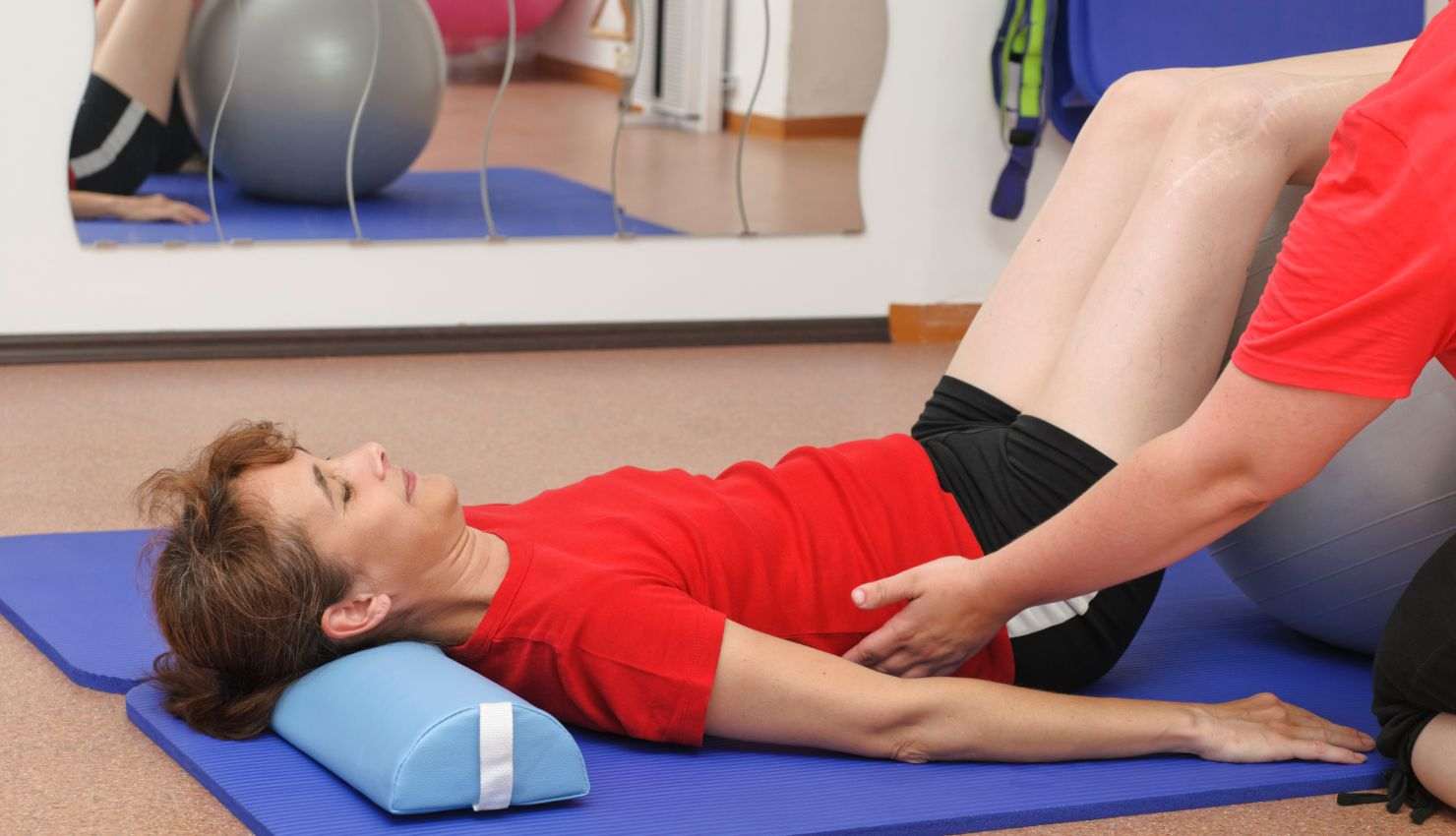
Upper back pain, often stemming from muscle tension, poor posture, or joint dysfunction, is a common issueespecially among individuals who sit for long hours or perform repetitive motions. Movement therapy offers a non-invasive, highly effective way to alleviate this discomfort by correcting muscular imbalances, restoring mobility, and promoting healthy movement patterns.
Rather than just treating symptoms, movement therapy targets root causes such as poor spinal alignment, weak postural muscles, and restricted thoracic mobility.
?? Common Causes of Upper Back Pain
Poor posture (forward head, rounded shoulders)
Prolonged sitting or computer use
Thoracic spine stiffness
Weakness in the upper back muscles (rhomboids, mid/lower traps)
Overuse or strain from lifting, twisting, or carrying
Stress-related muscle tension
? How Movement Therapy Helps Relieve Upper Back Pain
1. Improves Thoracic Spine Mobility
Increases the flexibility of the upper back for better posture and breathing mechanics.
Example: Thoracic extensions over a foam roller or seated twist stretches.
2. Strengthens Postural Muscles
Activates and builds endurance in the muscles that support upright posture.
Example: Scapular retractions, prone Y-T-W exercises, resistance band rows.
3. Corrects Postural Imbalances
Addresses forward head posture and rounded shoulders to reduce strain on the spine.
Example: Chin tucks, wall angels, doorway pec stretches.
4. Promotes Mind-Body Awareness
Teaches proper movement patterns, breathing, and alignment through slow, deliberate motion.
Example: Pilates-based movements or yoga-inspired flows.
5. Encourages Active Recovery
Reduces stiffness and promotes blood flow to help heal tight or overworked muscles.
Example: Gentle mobility drills and dynamic stretches.
??? Effective Movement Therapy Techniques for Upper Back Pain
Technique Benefit Example Exercise
Thoracic Mobility Drills Restores spinal movement Cat-cow, thread the needle
Scapular Stabilization Improves shoulder and upper back support Wall slides, scapular push-ups
Stretching and Release Eases tight chest and upper back muscles Foam rolling, doorway stretch
Postural Re-education Encourages proper spinal alignment Chin tucks, standing posture resets
Breathwork Integration Reduces tension and improves rib mobility Diaphragmatic and ribcage breathing
?? Sample Movement Therapy Routine for Upper Back Pain
Duration: 1520 minutes
Frequency: 35 times per week
Warm-Up (23 minutes)
Shoulder rolls (forward and back)
Gentle arm swings
Mobility (5 minutes)
Cat-Cow stretches (10 reps)
Thread the Needle (5 reps each side)
Wall angels (10 reps)
Strength & Activation (8 minutes)
Resistance band rows (2 sets of 12)
Prone Y-T-W raises (10 each)
Scapular retractions or wall slides (15 reps)
Cool Down & Breathing (34 minutes)
Diaphragmatic breathing
Seated forward fold stretch
Upper trapezius and neck stretch
?? Key Benefits of Movement Therapy for Upper Back Pain
Reduces stiffness and pain without medication
Improves posture and shoulder alignment
Builds strength in supporting muscles
Enhances body awareness and breathing
Promotes long-term spinal health and resilience
?? Ideal for Individuals Who:
Sit at a desk or drive for extended periods
Experience tech neck or rounded shoulders
Recovering from shoulder or neck strain
Want a proactive, non-invasive solution to back pain
?? Conclusion
Movement therapy is a safe and effective approach for treating upper back pain by addressing the underlying postural and mobility issues. Through a combination of mobility, strengthening, and breath-integrated movement, individuals can restore proper function, reduce discomfort, and prevent recurrence of upper back pain.