Functional movement refers to the ability to perform natural, everyday activities with eas…

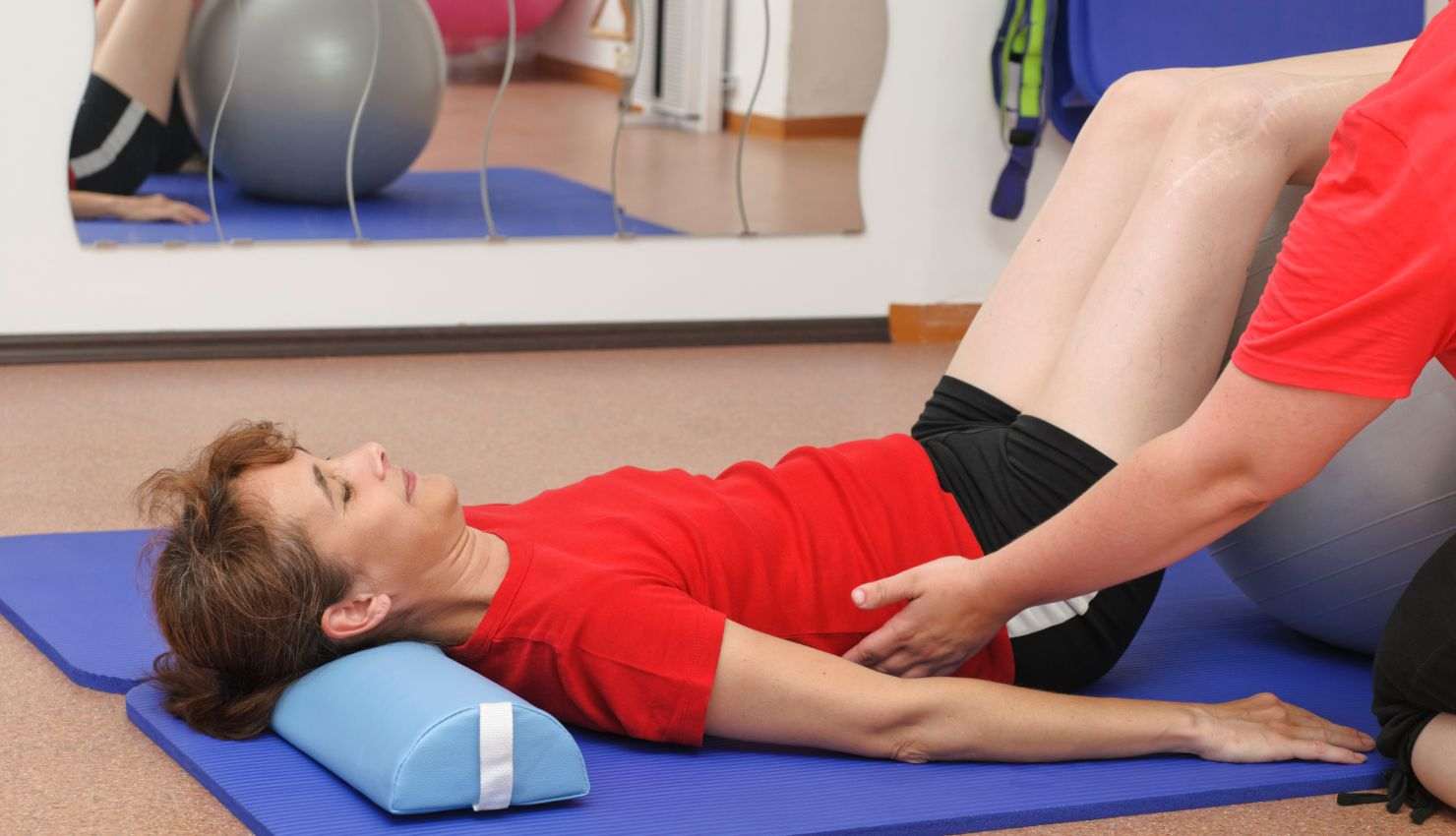
Functional movement refers to the ability to perform natural, everyday activities with easelike walking, squatting, reaching, bending, or lifting. When these basic movements are compromised by injury, muscle imbalances, poor posture, or aging, even simple tasks can become difficult or painful. Movement therapy is designed to retrain the body to move the way it was meant to, restoring efficiency, stability, and coordination in everyday activities.
?? What Is Functional Movement?
Functional movement involves coordinated actions of the muscles, joints, and nervous system that allow you to:
Get out of bed
Sit and stand from a chair
Lift objects safely
Walk up stairs
Maintain balance while moving
These are foundational for independence and quality of life at any age.
? How Movement Therapy Supports Functional Movement
1. Corrects Poor Movement Patterns
Movement therapy identifies and retrains faulty movement habits caused by years of improper posture, compensations, or inactivity.
Example: Teaching proper squat mechanics to improve how you pick objects up from the floor.
2. Improves Joint Mobility and Muscle Flexibility
Stiff joints or tight muscles can limit movement. Movement therapy uses mobility drills and stretching to restore full range of motion.
Example: Hip and ankle mobility to improve walking and stair climbing.
3. Builds Strength in Functional Muscles
It targets the muscles you use dailycore, hips, shoulders, and legsso you can move more efficiently and avoid injury.
Example: Strengthening the glutes and core for better posture and balance.
4. Enhances Coordination and Balance
Balance and motor control are crucial for safe movement, especially in tasks like walking, reaching, or turning.
Example: Dynamic balance exercises that train your brain and body to respond quickly and safely.
5. Promotes Body Awareness (Proprioception)
Movement therapy helps you become more aware of your posture and movement patterns, so you can self-correct and move with intention.
Example: Learning neutral spine alignment while sitting, standing, or exercising.
??? Examples of Functional Movement Exercises in Therapy
Movement Goal Sample Exercise Daily Life Benefit
Sit-to-stand strength Box squats or chair stands Easier transfers from chairs or toilets
Bending/lifting safely Hip hinge drills, deadlifts (light) Picking up groceries or kids without strain
Reaching overhead Shoulder mobility and stability work Placing items on high shelves
Walking and turning Step-throughs, heel-to-toe walking Navigating curbs, stairs, and tight spaces
Carrying loads Farmers carry, core bracing Carrying bags or lifting luggage safely
?? Functional Movement Therapy in Practice
A movement therapist or physiotherapist may:
Assess your movement patterns through walking, squatting, and reaching
Identify mobility restrictions or muscle weaknesses
Create a customized plan using real-life movement simulations
Monitor and modify exercises to avoid compensation or injury
Integrate breathing and mindfulness to improve neuromuscular control
?? Benefits of Functional Movement Therapy in Daily Life
Reduces pain during daily tasks
Restores independence and ease of movement
Improves posture, balance, and confidence
Prevents future injuries and falls
Supports overall well-being and physical resilience
?? Who Can Benefit?
Older adults aiming to maintain independence
Workers recovering from injury or surgery
Athletes regaining movement quality
Anyone struggling with stiffness, pain, or awkward movement