Movement therapy is a targeted rehabilitation approach used to retrain the brain and body…

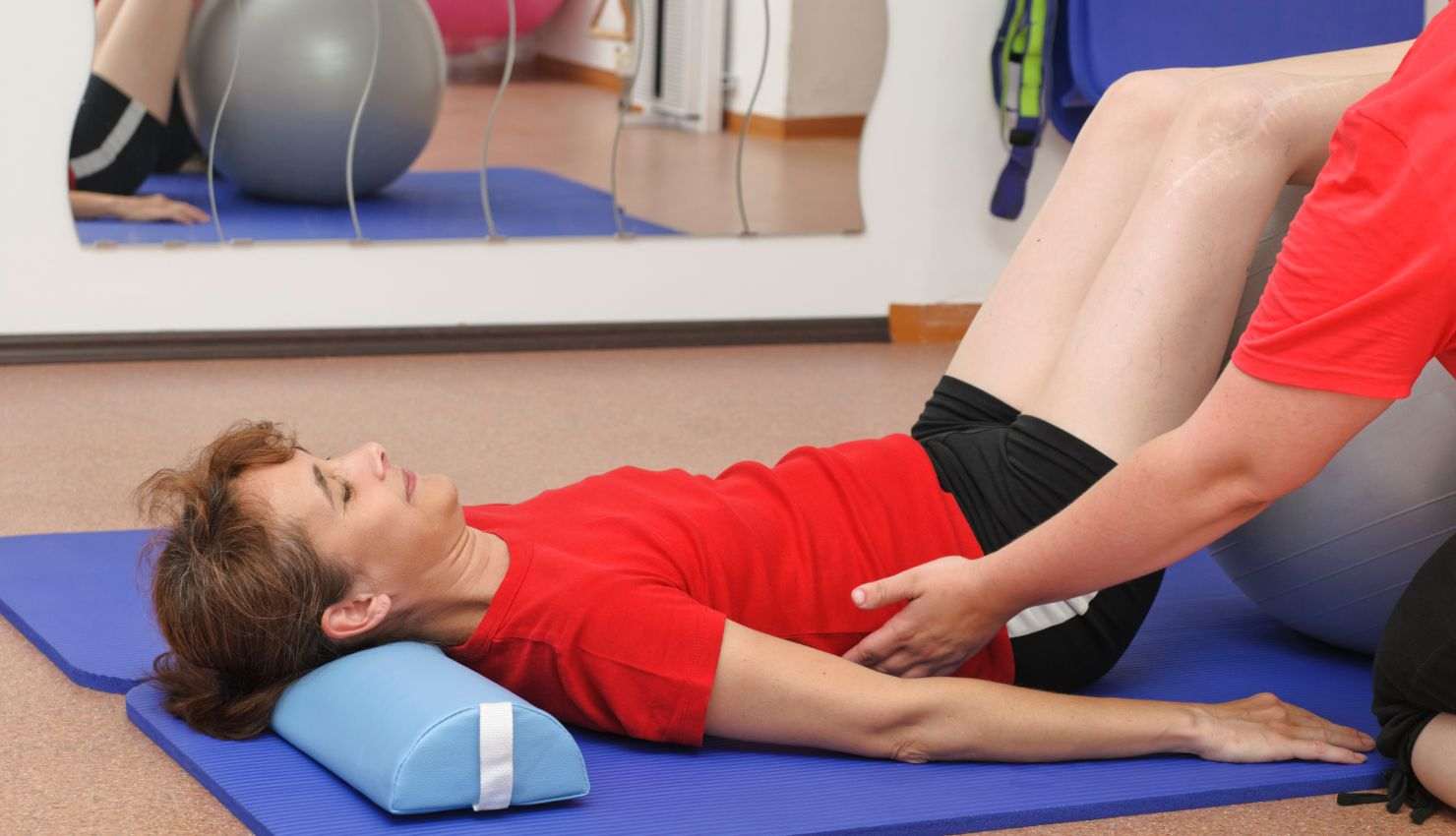
Movement therapy is a targeted rehabilitation approach used to retrain the brain and body after a stroke. It focuses on restoring functional mobility, such as walking, reaching, standing, and balance, by using repetitive, controlled exercises that stimulate neuroplasticitythe brains ability to rewire itself.
????? Why Mobility Is Affected After a Stroke
A stroke can disrupt signals between the brain and muscles, causing:
Muscle weakness or paralysis (often one-sided)
Loss of coordination and control
Spasticity (muscle stiffness)
Poor balance and gait
Difficulty with basic movements (e.g., standing or walking)
? Goals of Movement Therapy in Post-Stroke Rehab
Improve range of motion and joint mobility
Regain voluntary motor control
Enhance balance, posture, and coordination
Prevent muscle contractures and stiffness
Promote independence in daily activities
?? Key Movement Therapy Techniques for Post-Stroke Mobility
1. Passive and Active-Assisted Movement
Helps maintain joint health and reduce stiffness
Involves assisted limb movements until active control returns
2. Task-Oriented Training
Repetitive practice of functional tasks like walking, reaching, or sitting-to-standing
Encourages the relearning of everyday skills
3. Balance and Gait Training
Rebuilds walking ability and reduces fall risk
May use walkers, treadmills, parallel bars, or virtual reality
4. Mirror Therapy
Uses reflection of the unaffected limb to stimulate the affected side
Enhances brain activity and movement awareness
5. Proprioceptive Neuromuscular Facilitation (PNF)
Uses diagonal movement patterns and resistance to rebuild neuromuscular control
Especially useful for coordinated arm and leg motion
6. Neuromuscular Re-Education
Includes exercises that retrain muscles and joints to move correctly
May involve tapping, cueing, or robotic assistance
7. Functional Electrical Stimulation (FES)
Stimulates paralyzed or weak muscles to contract and perform specific movements
Often used to assist walking or hand function
?? Example Movement Therapy Routine (Lower Body Focus)
Phase Activity Purpose
Warm-Up Passive leg stretches, ankle circles Improve circulation and reduce stiffness
Balance Work Supported standing, side weight shifting Build core stability and balance
Gait Training Step training with cues or support Improve walking mechanics
Strengthening Seated leg raises, heel slides with resistance Rebuild muscle strength
Cool-Down Gentle lower body stretches and breathing Reduce spasticity and promote calm
?? Benefits of Movement Therapy After Stroke
Increases functional independence
Improves confidence and reduces fear of falling
Enhances quality of life and emotional well-being
Supports neuroplastic recovery
Helps prevent long-term complications like joint stiffness and muscle atrophy
?? Who Can Benefit?
Stroke survivors in all stages of recovery (acute, subacute, chronic)
Individuals with one-sided weakness or poor balance
Anyone working toward regaining walking, sitting, or reaching abilities
?? Final Thoughts
Movement therapy is a cornerstone of post-stroke rehabilitation. By restoring mobility through repetition, feedback, and motor learning, it helps survivors regain independence and re-engage in daily life. The earlier and more consistently therapy is applied, the better the outcomes.
Movement therapy is a structured, rehabilitative approach that uses guided physical activities to help stroke survivors regain mobility. It targets motor control, balance, and coordination, helping the brain re-learn how to control the body through neuroplasticitythe brains ability to reorganize and form new neural connections.
?? Why Mobility Is Impaired After a Stroke
After a stroke, damage to areas of the brain that control movement can lead to:
Muscle weakness or paralysis (often on one side)
Poor coordination
Difficulty walking or standing
Imbalanced posture
Muscle stiffness (spasticity)
? Goals of Movement Therapy in Stroke Rehab
Restore safe walking and balance
Improve strength and flexibility
Relearn basic movements (e.g., sitting, standing, reaching)
Prevent secondary complications like joint stiffness or muscle atrophy
Increase independence in daily life
?? Effective Movement Therapy Techniques
1. Passive and Active-Assisted Movements
Help maintain range of motion and prevent joint stiffness early on.
2. Task-Specific Training
Focuses on practicing real-life tasks such as walking, transferring, or climbing stairs.
3. Balance and Gait Training
Improves walking mechanics, posture, and fall prevention through guided repetition.
4. Mirror Therapy
Stimulates movement in the affected side by mimicking it with the unaffected limb in a mirror.
5. Proprioceptive Exercises
Enhance body awareness through weight shifting, balance boards, or supported standing.
6. Functional Electrical Stimulation (FES)
Uses mild electrical currents to activate weak or paralyzed muscles during movement.
?? Key Benefits
Improved walking ability and limb control
Reduced spasticity and better muscle tone
Faster functional recovery through targeted repetition
Greater independence and quality of life
Enhanced confidence in daily movement