Postural alignment refers to how your body segments head, shoulders, spine, hips, knees,…

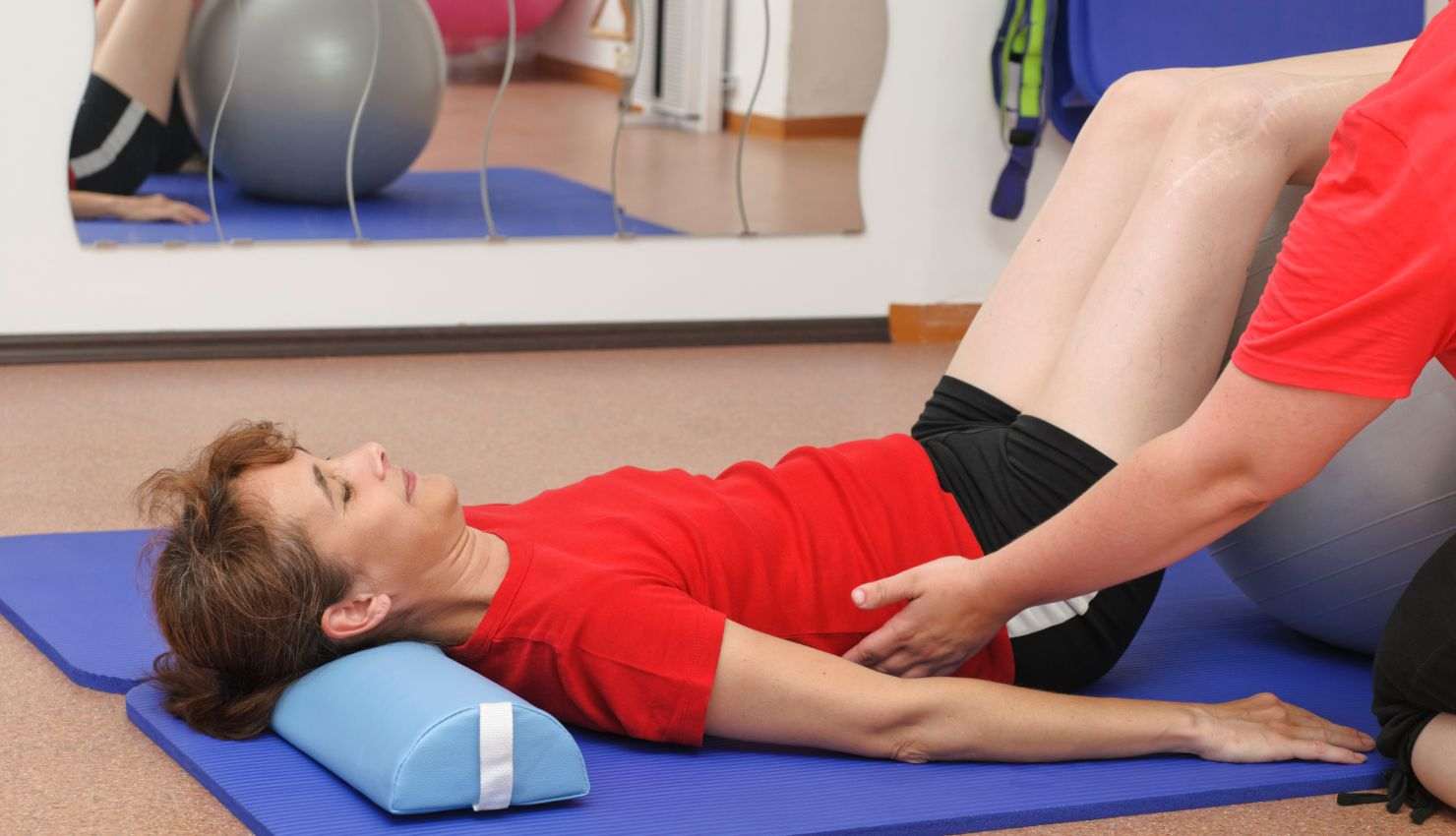
Postural alignment refers to how your body segments head, shoulders, spine, hips, knees, and feet are stacked and balanced in relation to each other, whether you’re sitting, standing, or moving.
Poor alignment can lead to:
Chronic back, neck, or joint pain
Muscle fatigue and tension
Decreased breathing capacity
Reduced performance and mobility
Greater injury risk over time
?? What Is Movement Therapy?
Movement therapy is a rehabilitative approach that uses intentional, corrective movement to:
Restore muscular balance
Improve joint mobility
Reinforce optimal movement patterns
Increase body awareness
When applied to posture, it helps identify and correct faulty habits that affect alignment.
? How Movement Therapy Improves Postural Alignment
1. Releases Tight or Overactive Muscles
Movement therapy includes dynamic stretches and mobility drills to release muscles that are pulling your posture out of alignment (e.g., tight hip flexors, chest muscles, or calves).
2. Strengthens Underused or Weakened Muscles
Targeted strengthening restores balance especially in the core, glutes, upper back, and deep neck flexors.
3. Improves Joint Mobility
Limited motion in the hips, spine, or shoulders can cause compensations. Movement therapy restores proper joint movement.
4. Retrains Movement Patterns
Corrective exercises reinforce healthier movement habits during walking, sitting, standing, or lifting.
5. Increases Body Awareness (Proprioception)
Regular movement practice helps you feel when your body is out of alignment and naturally self-correct.
?? Key Movement Therapy Techniques for Posture
Area of Focus Technique or Exercise Benefit
Spinal Mobility Cat-cow, thoracic rotations Restores spinal flexibility
Core Stability Dead bug, bird-dog Supports upright posture
Hip Alignment Glute bridges, hip flexor stretches Prevents pelvic tilting
Upper Back/Posture Wall angels, scapular retraction Opens chest, strengthens back
Neck & Shoulders Chin tucks, shoulder rolls Aligns head and neck over spine
?? Sample Postural Reset Routine (1520 min)
Warm-up Mobility (35 min)
Shoulder rolls
Spinal twists
Hip circles
Release & Stretch (5 min)
Chest opener on foam roller
Hip flexor stretch
Neck side stretch
Activation & Strength (710 min)
Glute bridge
Wall angel or band pull-apart
Bird-dog
Chin tuck hold
Postural Integration (35 min)
Standing alignment check (against a wall)
Diaphragmatic breathing with good posture
?? Benefits of Improved Postural Alignment
Reduced pain and muscle tension
Increased energy and breathing capacity
Enhanced movement efficiency and balance
Prevention of long-term joint and disc problems
Greater confidence and physical presence