Lower back issues are common and often caused by: Poor posture or prolonged sitting Weak…

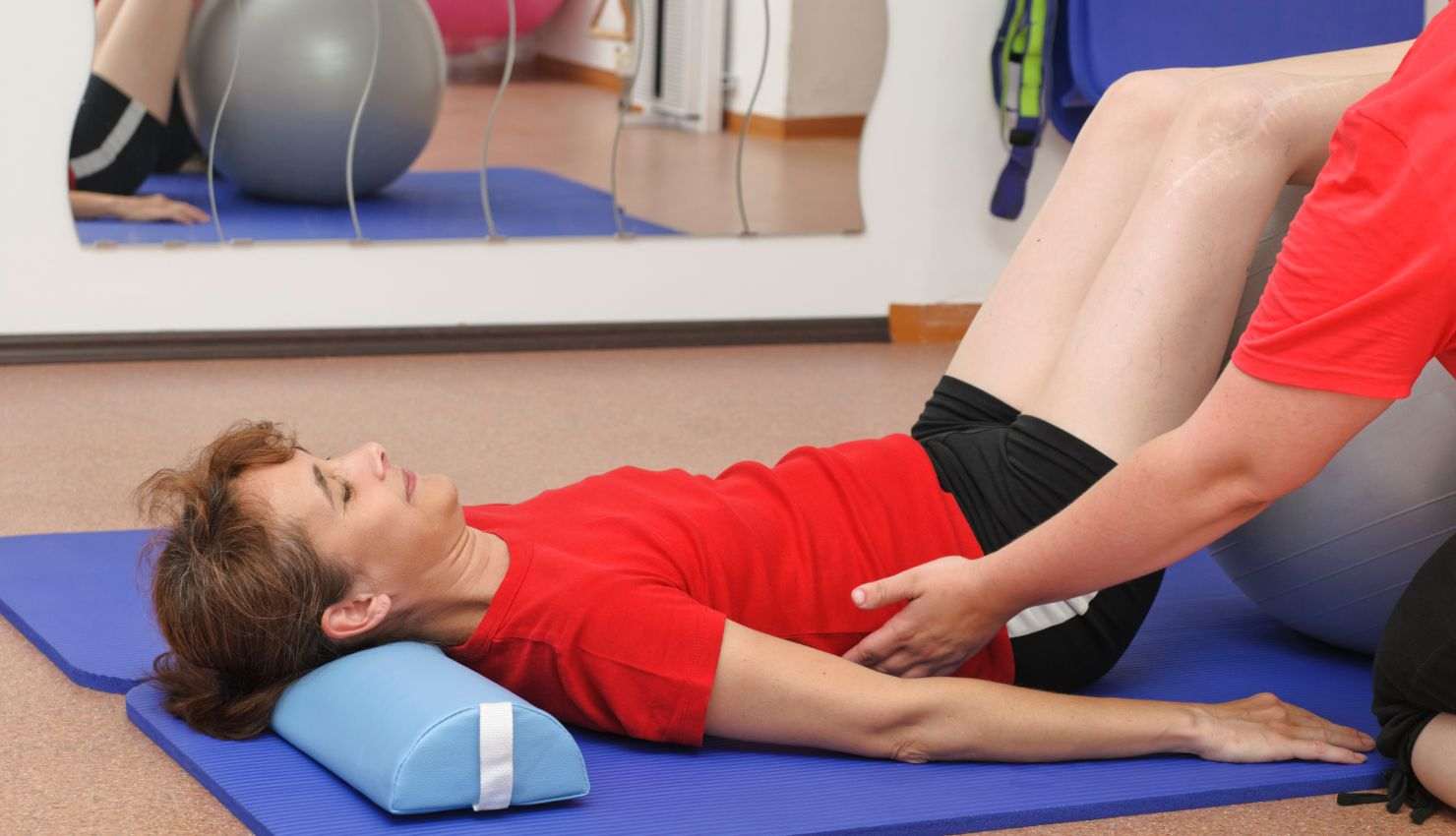
Lower back issues are common and often caused by:
Poor posture or prolonged sitting
Weak core and glutes
Tight hip flexors or hamstrings
Disc compression or muscle strain
Lack of mobility and functional movement
Stiffness and pain limit flexibility, movement, and daily comfort but movement therapy can help.
?? What Is Movement Therapy?
Movement therapy uses controlled, purposeful exercises to:
Restore flexibility and mobility
Improve muscular balance and stability
Correct movement patterns
Reduce pain and tension
It’s a gentle yet effective alternative or complement to medication and passive therapies.
? How Movement Therapy Helps the Lower Back
1. Loosens Tight Tissues
Gentle stretches and mobility drills relieve tension in the lower back, hips, and legs.
2. Activates Core Muscles
Strengthening deep abdominal and glute muscles supports the spine and reduces pressure on the lower back.
3. Improves Posture and Alignment
Postural training alleviates strain caused by slouching or poor sitting/standing habits.
4. Promotes Circulation and Healing
Movement increases blood flow, delivering oxygen and nutrients to tight, inflamed tissues.
5. Reeducates Movement Patterns
Teaches the body how to bend, lift, and twist safely to avoid future flare-ups.
?? Key Techniques for Lower Back Relief
Technique Type Example Exercise Benefit
Mobility Cat-cow, pelvic tilts, spinal twists Increases spinal flexibility
Stretching Hip flexor stretch, hamstring stretch Reduces tension in tight muscle groups
Core Strength Dead bug, bird-dog, glute bridge Supports lumbar spine
Postural Training Wall posture hold, chin tuck Rebalances spine and hips
Functional Movement Hip hinge drills, sit-to-stand training Reinforces pain-free movement patterns
????? Sample 15-Minute Movement Therapy Routine
Warm-Up (3 min)
Cat-cow
Seated or standing pelvic tilts
Mobility + Stretch (5 min)
Supine hamstring stretch
Hip flexor stretch
Childs pose with side stretch
Core & Glute Activation (5 min)
Glute bridge (2 sets of 10)
Bird-dog (3 per side)
Dead bug (3 per side)
Postural Reset (2 min)
Wall posture hold
Deep diaphragmatic breathing
?? Long-Term Benefits
Reduced pain and stiffness
Greater flexibility and range of motion
Better posture and spinal health
Safer movement in daily activities
Less dependence on pain medications