Muscular dystrophy is a group of genetic disorders that cause progressive muscle weakness…

Muscular dystrophy is a group of genetic disorders that cause progressive muscle weakness and degeneration. Common types include:
Duchenne Muscular Dystrophy (DMD)
Becker MD
Myotonic Dystrophy
Facioscapulohumeral MD (FSHD)
Symptoms vary but often include:
Muscle wasting
Joint stiffness
Difficulty walking or climbing stairs
Loss of balance and coordination
Fatigue and limited endurance
????? What Is Movement Therapy?
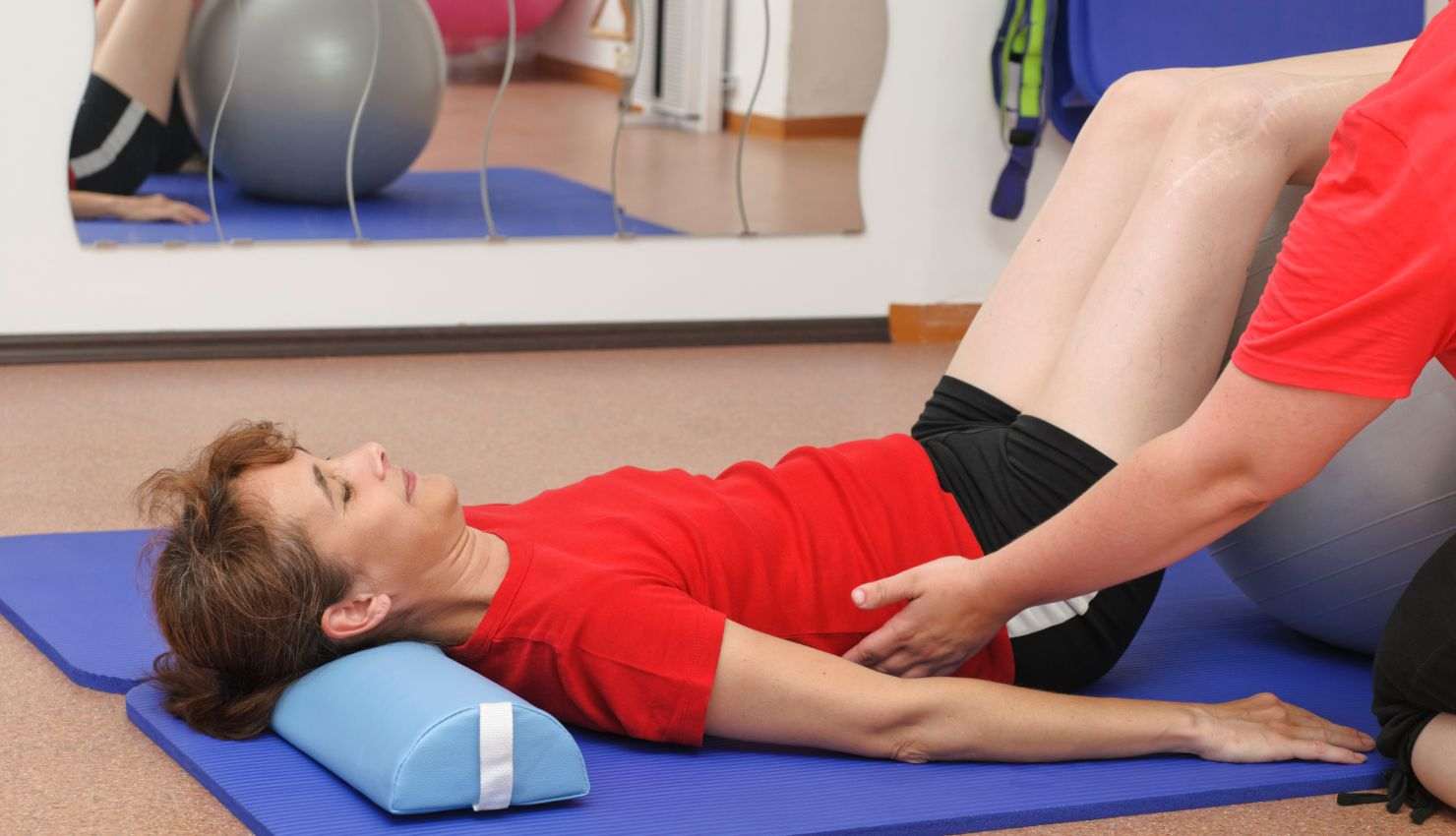
Movement therapy for MD includes carefully adapted physical activities and therapeutic exercises that:
Preserve existing muscle function
Reduce stiffness
Improve joint mobility
Enhance balance and posture
Support overall mobility and independence
? Key Benefits of Movement Therapy for MD Patients
1. Preserves Joint Flexibility
Gentle stretching prevents contractures (joint stiffness) and maintains range of motion in hips, knees, ankles, and shoulders.
2. Supports Muscle Function
Low-resistance, non-fatiguing exercises help maintain strength in muscles that are still functional.
3. Improves Circulation
Regular movement promotes blood flow and helps prevent swelling, especially in non-ambulatory individuals.
4. Enhances Mobility and Endurance
Functional training helps maintain walking ability longer and improves confidence with everyday tasks.
5. Reduces Pain and Discomfort
Stretching and mobility exercises alleviate muscle tightness and reduce discomfort from inactivity or imbalance.
6. Promotes Better Posture and Breathing
Exercises that improve trunk control and spinal alignment support better posture, which can also help with breathing in later stages.
?? Common Movement Therapy Techniques for MD
Technique Purpose
Passive and active stretching Maintains joint mobility and reduces tightness
Water-based therapy (hydrotherapy) Supports weak muscles and allows safe movement
Breathing exercises Improves lung capacity and diaphragmatic strength
Balance and coordination drills Reduces fall risk and improves motor control
Assisted walking or gait training Supports ambulation for as long as possible
Postural training Encourages spinal alignment and trunk support
?? Example Daily Routine (1020 minutes)
Tailored by type/severity of MD and should always be supervised by a healthcare provider.
Warm-Up (23 min)
Gentle arm swings
Seated marches
Deep breathing
Stretching and Mobility (510 min)
Passive leg stretches (hamstrings, calves)
Shoulder and neck rolls
Seated spinal rotation
Functional Movement Practice (57 min)
Sit-to-stand (if ambulatory)
Step-ups with support
Assisted gait or walker use
Cool Down (23 min)
Diaphragmatic breathing
Gentle wrist/ankle circles
Relaxation stretch
?? Safety Considerations
Avoid overexertion and fatigue
Focus on low-resistance, non-impact exercises
Monitor for signs of strain or breathing difficulty
Always consult a physician or physical therapist before starting a program
?? Long-Term Outcomes
Prolonged mobility and independence
Improved quality of life
Slowed progression of joint complications
Better emotional well-being through body confidence