The core includes deep and surface muscles of the abdomen, lower back, hips, and pelvis. T…

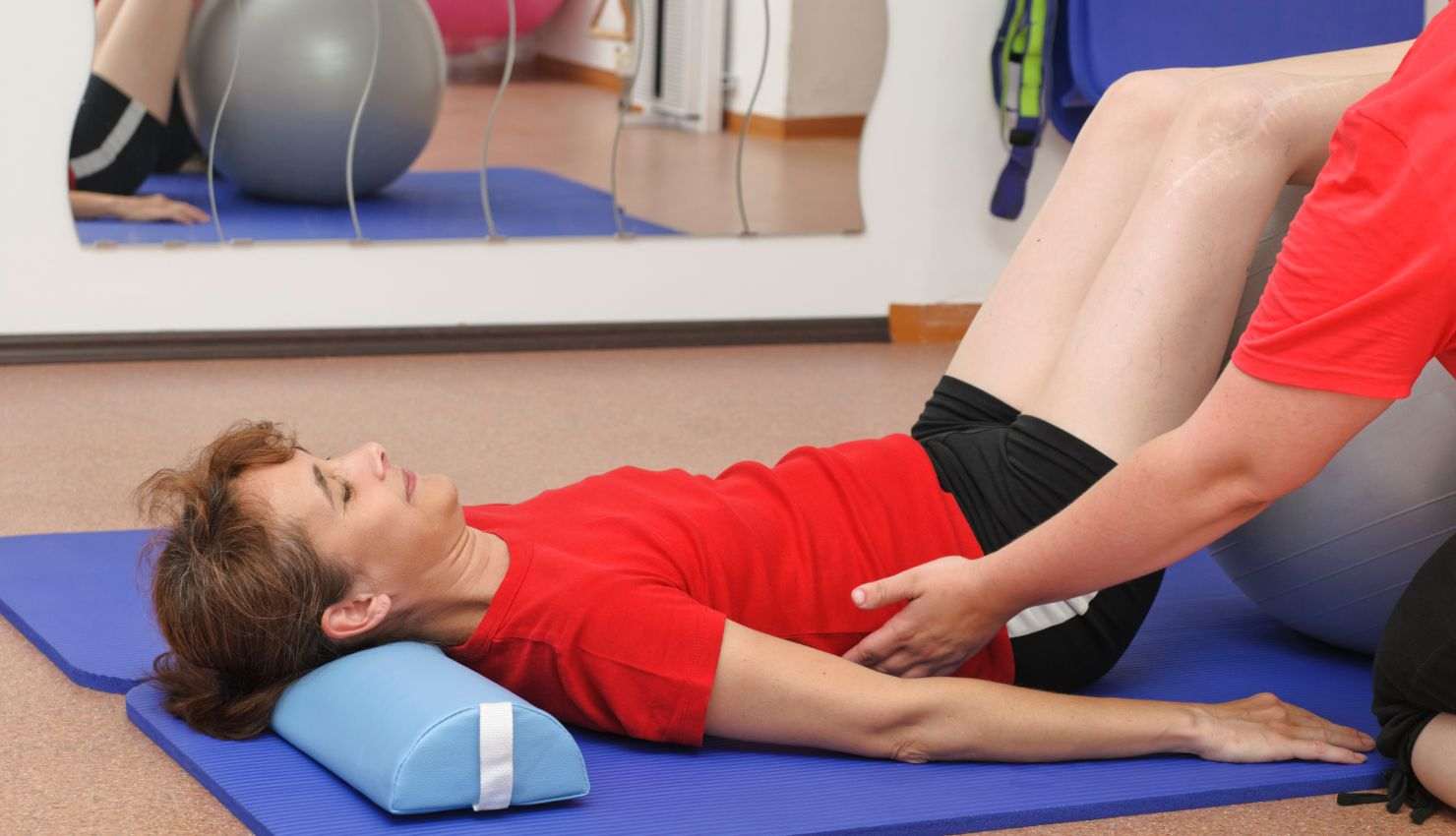
The core includes deep and surface muscles of the abdomen, lower back, hips, and pelvis. These muscles stabilize the body during nearly every movement from walking and reaching to sitting and standing.
Balance is the bodys ability to stay upright and steady, especially during motion or on unstable surfaces.
Weak core muscles and poor balance can lead to:
Poor posture
Increased fall risk
Back pain
Limited mobility and independence
?? What Is Movement Therapy?
Movement therapy involves intentional, structured physical movements designed to restore function, alignment, and body control. It includes:
Functional movement exercises
Somatic or therapeutic yoga
Balance and stability drills
Body-weight or low-impact strength routines
Breathing-integrated movement
? How Movement Therapy Strengthens the Core
1. Targets Deep Stabilizing Muscles
Movements like pelvic tilts, planks, or bridge poses engage muscles like the transverse abdominis, multifidus, and pelvic floor key players in spinal support.
2. Improves Neuromuscular Control
By repeating controlled, mindful movements, the brain strengthens its connection with core muscles, improving motor control and coordination.
3. Enhances Functional Stability
Therapeutic movement trains the body to use core strength in daily actions like twisting, lifting, or sitting up rather than just isolated exercises.
?? How Movement Therapy Improves Balance
1. Strengthens Key Stabilizers
Strong core, hip, and ankle muscles provide a stable base for standing and walking.
2. Improves Proprioception
Movement therapy enhances body awareness, helping individuals adjust to changes in surface or position to prevent falls.
3. Challenges and Trains Balance Systems
Exercises such as standing on one leg, using wobble boards, or shifting weight from foot to foot activate the vestibular and musculoskeletal systems.
?? Sample Movement Therapy Routine (1520 Minutes)
Modify based on ability and always prioritize control over intensity.
Warm-Up (23 min)
March in place
Pelvic tilts while lying or seated
Shoulder rolls and side bends
Core Activation (710 min)
Bridge lifts (hips up, hold, lower slowly)
Dead bugs (alternate arm and leg raises while lying)
Bird-dog (arm/leg extension on hands and knees)
Seated abdominal squeezes (activate lower abs while seated)
Balance Training (57 min)
Stand on one foot (near wall for support)
Tandem stance (heel-to-toe)
Weight shifts (side to side, front to back)
Heel-to-toe walking
Cool Down (23 min)
Deep breathing
Supine spinal twist
Gentle hamstring and hip flexor stretch
?? Tools Used in Balance-Oriented Movement Therapy
Tool Purpose
Balance pads or BOSU Challenge stability during exercises
Resistance bands Add light resistance to core work
Yoga blocks or straps Assist with support and alignment
Chairs or walls Provide safety for standing exercises
?? Long-Term Benefits
Stronger, more supportive core muscles
Better posture and spinal alignment
Reduced risk of falls or injury
Enhanced movement confidence
Improved coordination in daily activities