Movement therapy plays a crucial role in enhancing athletic performance by improving range…

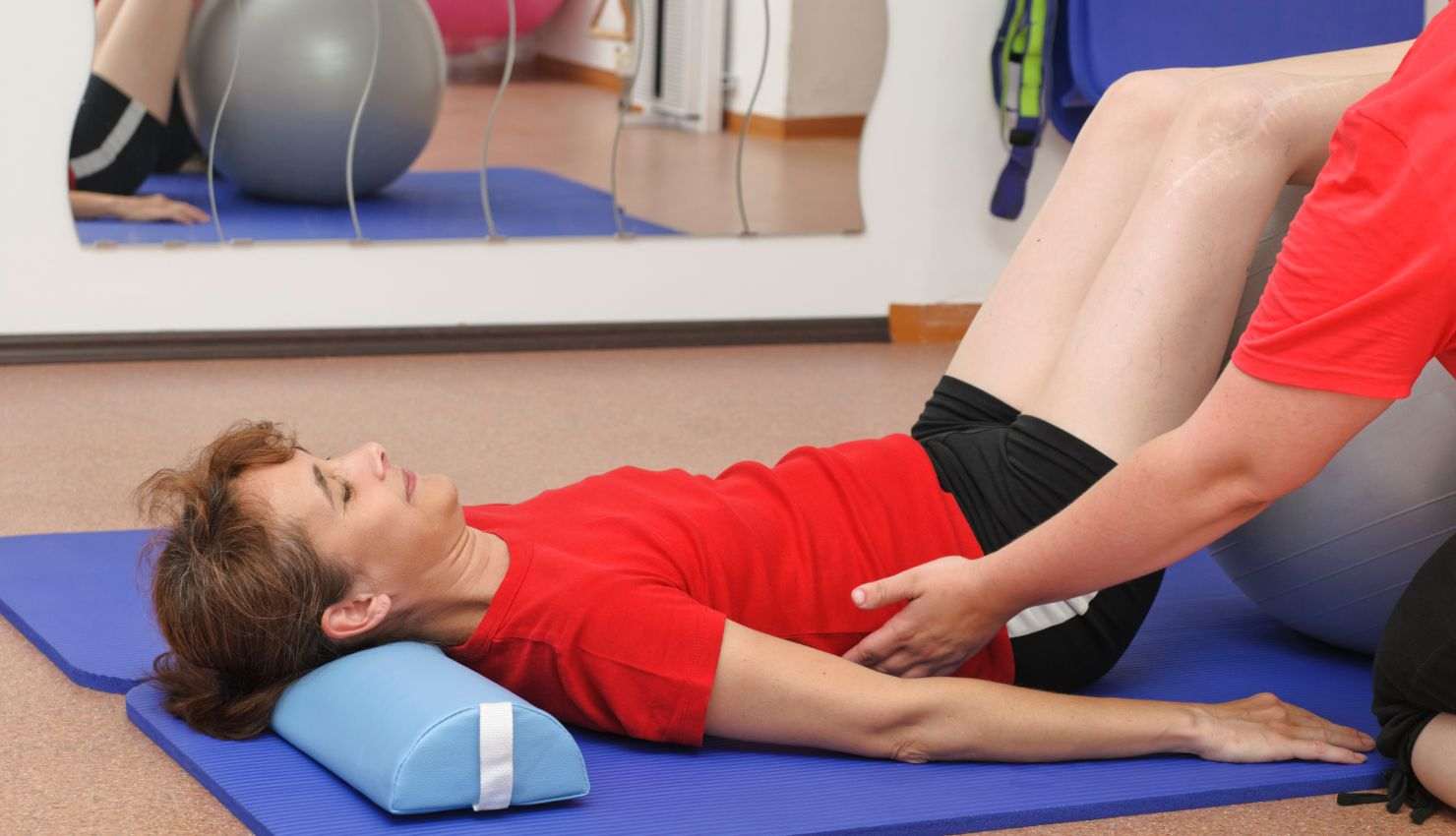
Movement therapy plays a crucial role in enhancing athletic performance by improving range of motion (ROM)the extent of movement around a specific joint or body part. By targeting restrictions and imbalances, movement therapy helps athletes move more efficiently, reduce injury risk, and recover faster from physical stress. Here’s how it contributes to improved range of motion:
1. Releasing Soft Tissue Restrictions
Movement therapy often includes techniques like myofascial release, trigger point therapy, and dynamic stretching, which help release tension in muscles and fascia. These techniques:
Break up adhesions and scar tissue
Improve tissue pliability
Promote blood flow and oxygen delivery to the muscles
This leads to improved flexibility and greater ROM in tight or overused areas.
2. Neuromuscular Re-education
Athletes often develop compensation patterns due to overuse or previous injuries. Movement therapy helps retrain proper neuromuscular firing through:
Proprioceptive training
Controlled, repetitive motion
Functional movement patterning
By improving muscle coordination and control, the body learns to move more freely and safely through a full range.
3. Joint Mobilization
Targeted mobilization exercises help restore motion in joints that may be stiff or misaligned. For example:
Mobilizing the hips or shoulders allows for smoother stride or throwing motions.
Spinal mobility exercises improve trunk rotation for sports like golf or swimming.
These techniques restore joint play and improve motion without stressing surrounding structures.
4. Dynamic and Static Stretching Integration
Movement therapy incorporates both dynamic stretches (ideal for warm-ups) and static stretches (used post-activity) to gradually expand ROM. Over time, this:
Increases flexibility
Prevents muscle shortening
Enhances performance in sport-specific motions
5. Correcting Muscle Imbalances
Muscle imbalances often limit ROM by causing one group to become overly tight and its antagonist to weaken. Movement therapy addresses this by:
Strengthening underactive muscles
Lengthening tight, overactive ones
Balancing movement patterns (e.g., correcting asymmetrical squats or lunges)
Balanced muscle function contributes directly to safe and unrestricted joint movement.
6. Injury Prevention and Recovery
Increased range of motion reduces the likelihood of strains and sprains. Movement therapy:
Encourages tissue resilience
Supports recovery from microtraumas
Helps maintain ROM post-injury through guided mobility work
7. Sport-Specific Mobility Drills
Therapists design mobility exercises specific to the athletes sportsuch as shoulder mobility for swimmers or ankle mobility for runnersto optimize their movements and performance outcomes.
Summary of Benefits:
Benefit How it Helps ROM
Improves flexibility Through tissue release and stretching
Enhances joint health With mobilization techniques
Boosts coordination Via neuromuscular re-training
Reduces risk of injury By enabling smoother, controlled movements
Supports performance Through sport-specific ROM improvements