Restoring muscle function after an injury requires more than just restit demands a struct…

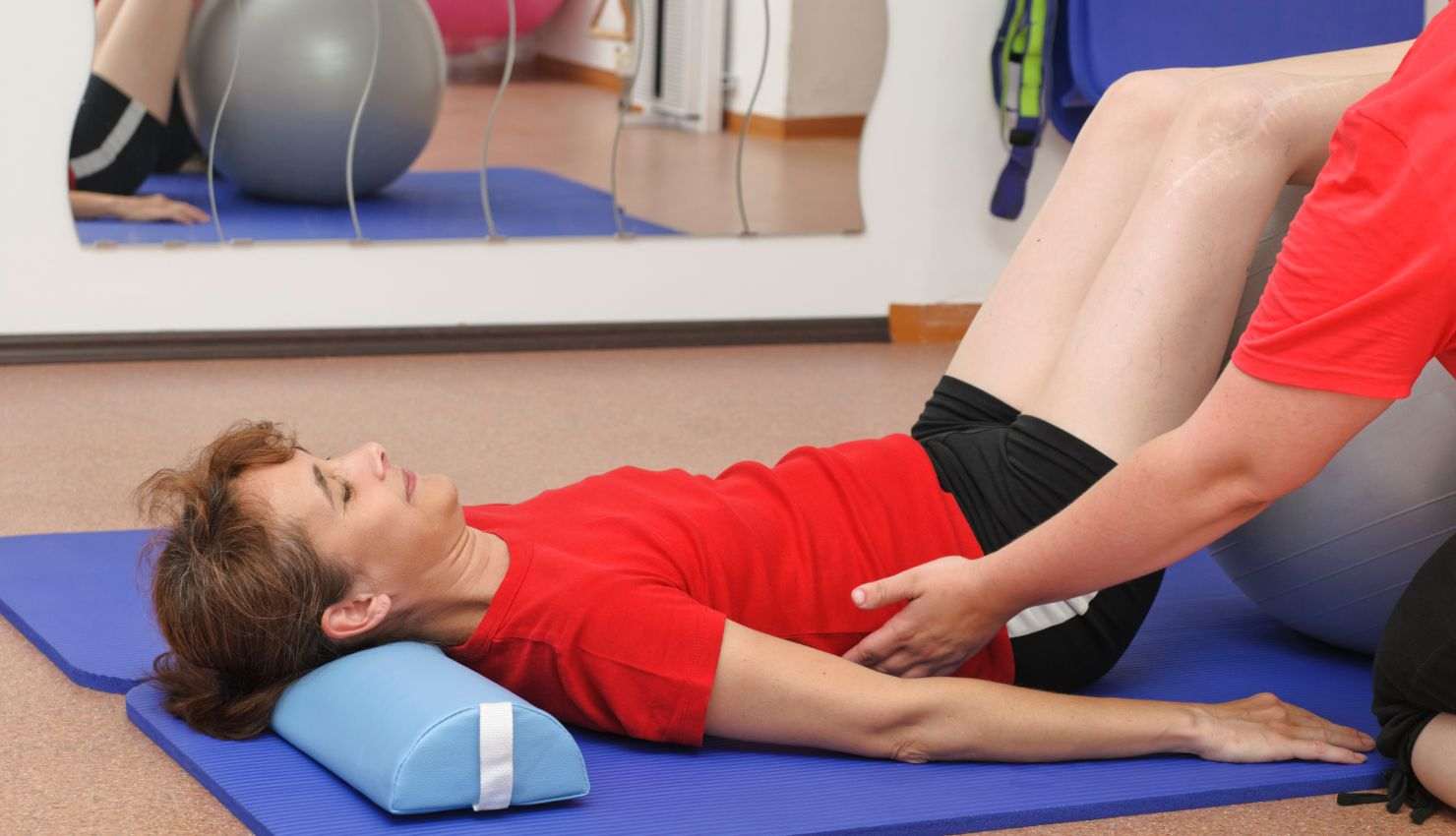
Restoring muscle function after an injury requires more than just restit demands a structured and progressive approach to retrain muscles, improve joint integrity, and restore full functional capacity. Movement therapy provides a science-backed method to rebuild strength, mobility, and coordination through targeted interventions. Below are the key movement therapy techniques used to restore muscle function after injury:
1. Active and Passive Range of Motion (ROM) Exercises
Passive ROM: The therapist moves the injured limb without the athletes effort, useful in early stages of healing.
Active ROM: The patient initiates movement to gradually restore control and mobility.
Benefits:
Prevents joint stiffness and muscle shortening
Stimulates circulation to promote healing
2. Isometric Strengthening
Isometric exercises involve contracting the muscle without moving the jointideal in early rehab when joint movement may be restricted.
Examples:
Quadriceps setting (tightening the thigh muscles without moving the knee)
Glute squeezes
Benefits:
Maintains muscle engagement during immobilization
Builds foundational strength without stress on healing tissue
3. Proprioceptive Neuromuscular Facilitation (PNF)
PNF combines stretching and contracting muscles in specific patterns to improve neuromuscular control.
Benefits:
Increases flexibility and strength simultaneously
Re-educates motor units for efficient muscle activation
4. Neuromuscular Re-education
Injury often disrupts muscle memory and coordination. Movement therapists use specific drills to restore natural movement patterns.
Techniques include:
Balance training
Closed kinetic chain exercises
Gait retraining for lower limb injuries
Benefits:
Enhances coordination
Restores proper muscle sequencing during movement
5. Myofascial Release and Soft Tissue Mobilization
These manual therapy techniques reduce tension in muscles and fascia to restore normal tissue mobility.
Methods:
Foam rolling
Massage
Manual trigger point therapy
Benefits:
Breaks up adhesions
Reduces inflammation and pain
Improves elasticity and readiness for active rehab
6. Dynamic and Functional Stretching
Unlike static stretching, dynamic movements are more sport-specific and replicate actual motion patterns.
Examples:
Leg swings for runners
Arm circles for throwers
Benefits:
Improves active flexibility
Prepares muscles for functional tasks
7. Functional Strength and Movement Integration
As healing progresses, exercises become more sport- or task-specific, focusing on integrating restored muscles into full-body movements.
Examples:
Lunges with core engagement
Resistance band exercises replicating athletic motions
Benefits:
Bridges gap between rehab and return to sport
Builds confidence in the injured muscle’s ability
8. Balance and Stability Training
Injury often compromises joint and core stability. Exercises such as:
Single-leg stands
BOSU ball squats
Dynamic balance tasks
Benefits:
Rebuilds joint support
Improves control and injury prevention
9. Progressive Loading
Progressive resistance training is essential to rebuilding muscle mass and functional strength.
Approach:
Gradually increase resistance, duration, and complexity
Emphasize proper form over intensity
Benefits:
Reverses muscle atrophy
Enhances functional performance and durability