Movement therapy is a proactive, functional approach that helps athletes avoid injuries by…

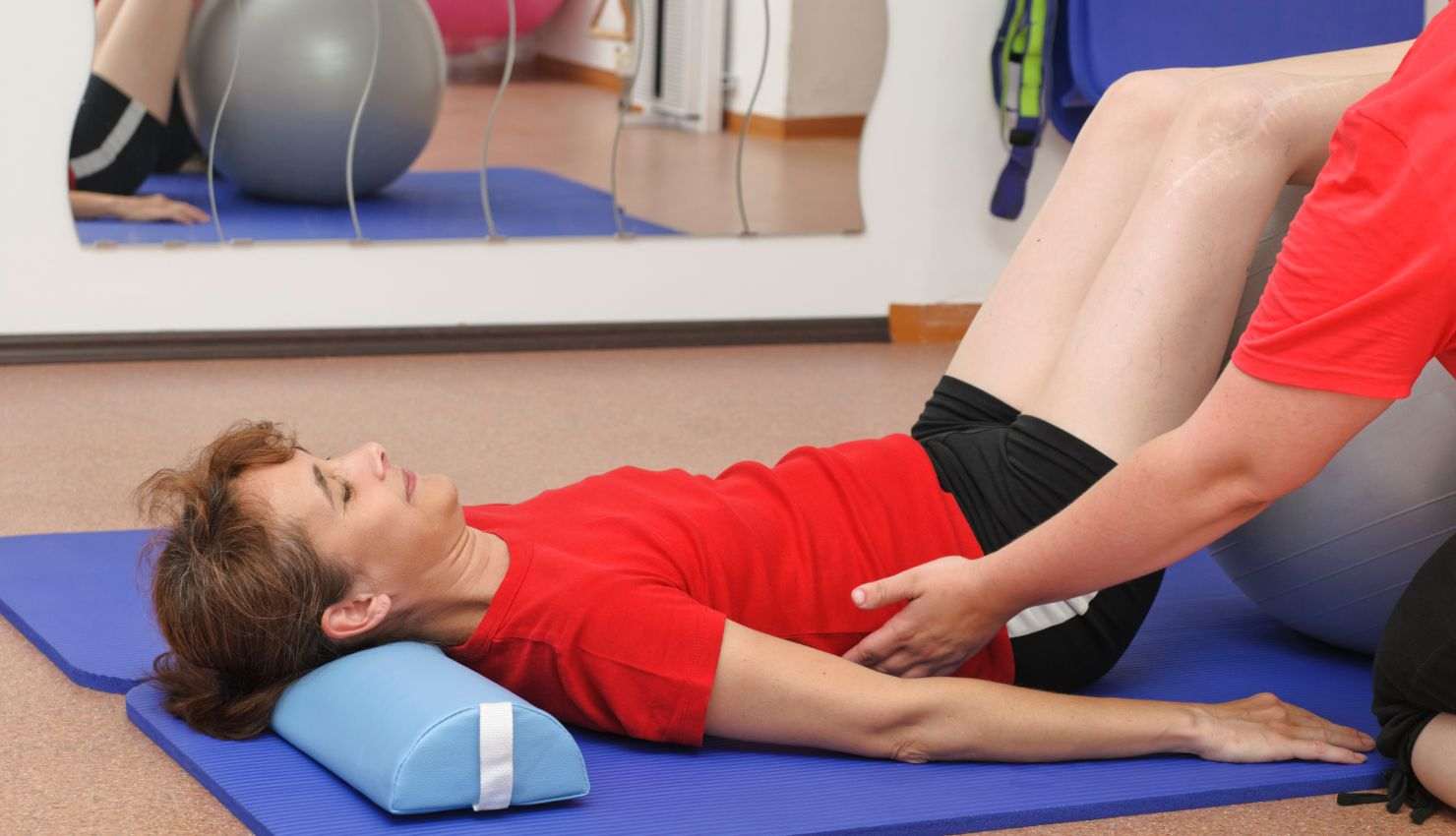
Movement therapy is a proactive, functional approach that helps athletes avoid injuries by enhancing the body’s mobility, strength, balance, and coordination. It identifies and addresses underlying movement dysfunctions before they become major problems. By improving how the body moves as a whole, movement therapy can significantly reduce the risk of common sports-related injuries such as strains, sprains, tendinitis, and overuse syndromes.
1. Correcting Muscle Imbalances
Muscle imbalanceswhere certain muscles are overactive while others are underactivecan increase strain on joints and soft tissues. Movement therapy uses:
Targeted strengthening for weak muscles
Stretching and mobilization for tight muscles
? Prevents injuries like IT band syndrome, patellar tendinitis, and hamstring strains.
2. Improving Joint Mobility and Flexibility
Restricted joint mobility leads to compensatory movement patterns. Movement therapy incorporates:
Joint mobilization techniques
Active and passive stretching
Dynamic range of motion drills
? Reduces risk of shoulder impingement, ankle sprains, and lower back strain.
3. Enhancing Movement Mechanics
Athletes often develop poor biomechanics over time, such as faulty running gait or improper squat form. Movement therapy:
Analyzes motion through functional assessments (e.g., FMS, gait analysis)
Re-trains optimal movement patterns
? Prevents overuse injuries like shin splints, Achilles tendinitis, and plantar fasciitis.
4. Increasing Neuromuscular Control and Proprioception
Good balance and body awareness are essential to avoiding injury during sudden or complex movements. Movement therapy uses:
Balance boards
Single-leg stability exercises
Core activation drills
? Helps prevent ACL injuries, ankle sprains, and falls.
5. Developing Functional Strength
Movement therapy emphasizes functional strength trainingtraining that mimics real sport movements. Exercises are designed to:
Engage multiple joints and muscle groups
Build strength in sport-specific patterns (e.g., rotational strength for throwing)
? Prevents strains and muscle fatigue injuries from poor conditioning.
6. Promoting Symmetry and Bilateral Coordination
Asymmetrical movement (one side stronger or more mobile than the other) can create long-term compensation and injury risk. Movement therapy includes:
Unilateral training (e.g., single-leg squats, single-arm presses)
Symmetry assessments and corrections
? Addresses causes of hip pain, low back injuries, and shoulder instability.
7. Supporting Recovery and Load Management
Movement therapy helps athletes recover between training sessions by:
Enhancing circulation
Reducing muscular stiffness
Monitoring for movement fatigue
? Prevents overtraining injuries such as stress fractures and tendon overuse.
Common Sports Injuries That Can Be Prevented:
Injury Type How Movement Therapy Helps Prevent
Ankle sprains Improves balance and foot mobility
ACL tears Enhances neuromuscular control, landing mechanics
Rotator cuff injuries Improves shoulder mobility and scapular control
Hamstring strains Corrects imbalances and tightness
Lower back pain Strengthens core and improves posture
Shin splints Refines gait and reduces impact loading