Movement therapy is a powerful, non-invasive approach to managing pain and improving funct…

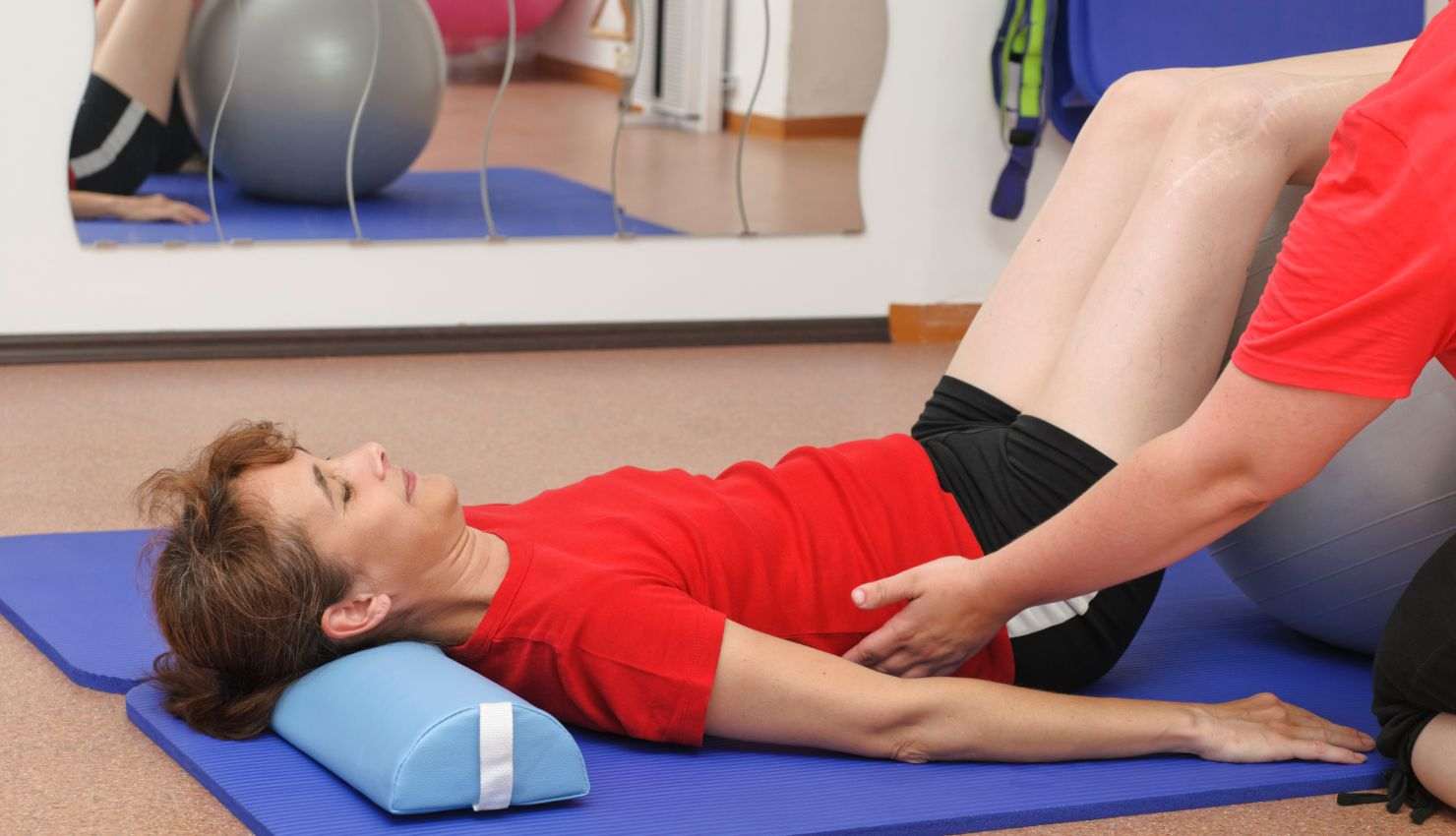
Movement therapy is a powerful, non-invasive approach to managing pain and improving function in individuals with musculoskeletal conditionsdisorders that affect muscles, bones, joints, tendons, and ligaments. Rather than merely suppressing symptoms, movement therapy addresses the root causes of pain by restoring biomechanical efficiency, neuromuscular balance, and mobility.
? What Are Musculoskeletal Conditions?
Musculoskeletal (MSK) conditions include a wide range of disorders that impact the body’s movement system, such as:
Osteoarthritis
Tendinitis and bursitis
Low back and neck pain
Shoulder impingement
Knee pain (e.g., patellofemoral syndrome)
Repetitive strain injuries (e.g., carpal tunnel, tennis elbow)
Muscle strains and joint sprains
Fibromyalgia and myofascial pain syndrome
These conditions can lead to chronic pain, reduced range of motion, and functional limitations in daily life.
?? How Movement Therapy Helps Manage Pain in MSK Conditions
1. Relieves Muscle Tension and Joint Stiffness
Encourages gentle mobilization of stiff joints
Relaxes overactive muscles through dynamic and static stretching
Reduces myofascial adhesions with controlled movement patterns
?? Effect: Decreased pain and improved ease of movement
2. Corrects Postural and Movement Imbalances
Addresses poor posture and asymmetrical movement habits
Re-trains joint alignment and load distribution
Encourages better movement mechanics during daily activities
?? Effect: Reduced strain on painful tissues and prevention of further injury
3. Enhances Neuromuscular Control
Improves muscle timing, coordination, and motor control
Teaches the nervous system how to move efficiently
Prevents compensatory movement patterns that aggravate pain
?? Effect: Greater joint stability and less pain during motion
4. Promotes Circulation and Healing
Movement boosts blood flow to muscles and joints
Enhances lymphatic drainage, reducing inflammation and swelling
Speeds tissue repair in injured or inflamed areas
?? Effect: Faster healing and natural pain relief
5. Reduces Fear of Movement (Kinesiophobia)
Gradual, low-impact exercises restore confidence
Focus on safe, controlled motion reduces fear-based avoidance
Helps break the pain-avoidance cycle that worsens musculoskeletal issues
?? Effect: Improved mobility and psychological well-being
????? Common Movement Therapy Techniques for MSK Pain
Technique Focus Area Ideal For
Feldenkrais Method Gentle awareness-based movement Chronic pain, movement re-education
Clinical Pilates Core strength and alignment Back, neck, pelvic dysfunction
Yoga therapy Flexibility and joint decompression Arthritis, low back and neck pain
Functional movement training Daily life movement patterns Repetitive strain injuries, recovery
Dynamic mobility drills Active range of motion Tendinitis, shoulder and hip pain
?? Sample Movement Therapy Applications by Condition
Condition Movement Focus Key Exercises
Low back pain Core stability, lumbar mobility Cat-cow, pelvic tilts, bird-dog
Osteoarthritis (knees/hips) Load management, joint mobility Sit-to-stand, step-ups, seated leg extensions
Shoulder impingement Scapular control, posture Wall angels, scapular retractions, thoracic rotation
Neck pain Cervical mobility, postural correction Chin tucks, upper trap stretches, doorway pec stretch
Tendinitis Load tolerance and mobility Eccentric loading, controlled range exercises
?? Key Principles of Pain-Safe Movement Therapy
Start with awareness Learn how your body moves and where it compensates.
Modify, dont push through pain Discomfort is okay, but sharp or worsening pain is not.
Progress gradually Introduce load, speed, and range in a phased manner.
Breathe and relax Breath control reduces tension and enhances neuromuscular coordination.
Be consistent Small daily efforts yield big results over time.
?? Movement Therapy vs. Passive Treatments
Approach Movement Therapy Passive Treatment (e.g., meds, massage)
Active Participation ? ?
Promotes Long-Term Healing ? ?
Builds Strength and Function ? ?
Addresses Root Cause ? ?
Quick Symptom Relief ?? Slower ? Often faster
Combining both approaches can be effective, but movement therapy creates lasting change.
?? Sample 10-Minute Daily Routine for MSK Pain
Seated diaphragmatic breathing 2 minutes
Neck rolls and shoulder shrugs 1 minute
Spinal twists (seated or lying) 1 minute
Cat-cow stretch 10 reps
Hip bridges or gentle lunges 2×10
Standing heel raises 2×15
Wall slides or scapular retractions 2×10