Movement therapy is a highly effective, evidence-based approach to rehabilitation and func…

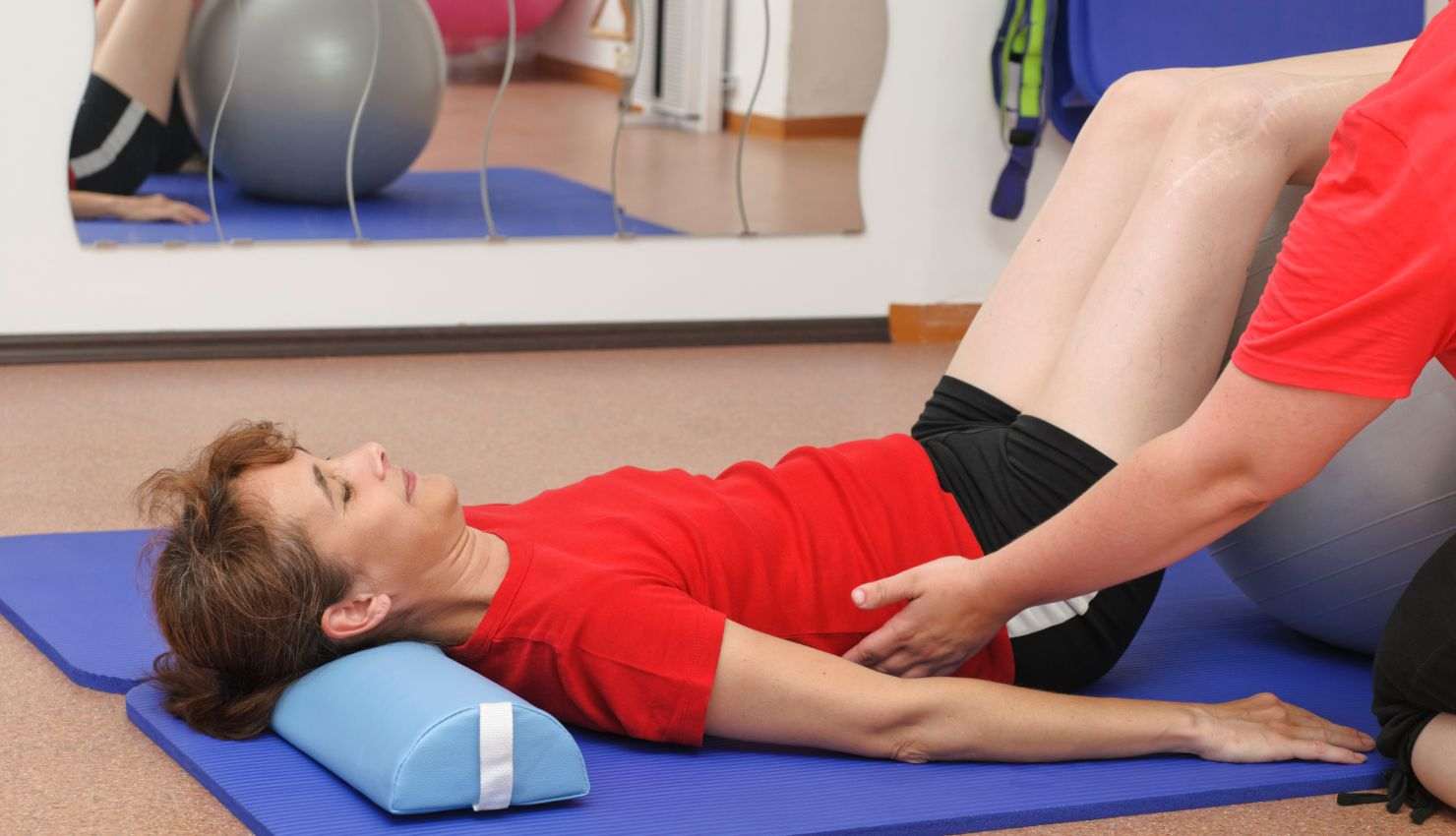
Movement therapy is a highly effective, evidence-based approach to rehabilitation and functional recovery after an injury. Rather than focusing solely on isolated muscles or pain symptoms, movement therapy helps retrain the entire body to work in harmony, restore proper mechanics, and gradually rebuild strength, range of motion, and coordination.
? What Is Movement Therapy?
Movement therapy involves purposeful, progressive exercises that improve mobility, strength, stability, and neuromuscular control. It is especially beneficial after injury because it:
Reintroduces safe movement patterns
Restores proprioception and joint awareness
Reduces stiffness and compensatory patterns
Promotes healing and tissue remodeling
Prevents reinjury by correcting underlying dysfunctions
?? Key Phases of Movement Therapy in Injury Recovery
1. Protection and Early Mobility (Acute Phase)
Focus: Gentle mobility, pain relief, circulation
Techniques: Passive and assisted range of motion, gentle isometrics, breathwork
Goal: Prevent stiffness and initiate healing
2. Restoration of Range and Strength (Subacute Phase)
Focus: Gradual reintroduction of functional movement
Techniques: Active mobility exercises, core and stabilizer activation, resistance bands
Goal: Rebuild baseline strength and range of motion
3. Functional Re-integration (Remodeling Phase)
Focus: Restoring multi-joint coordination, dynamic control, and endurance
Techniques: Balance training, functional movement drills, gait retraining, proprioceptive work
Goal: Return to daily activities or sports with confidence and control
?? Common Injuries and Movement Therapy Applications
Injury Movement Focus Sample Exercises
Ankle sprain Ankle mobility, balance, proprioception Ankle circles, single-leg balance, heel raises
ACL tear/reconstruction Quad activation, knee control, gait training Terminal knee extension, step-ups, mini squats
Rotator cuff strain Shoulder stability and scapular mobility Wall slides, isometric external rotation, YTWs
Low back strain Core stability and hip mobility Pelvic tilts, glute bridges, bird-dog
Wrist or elbow injury Grip strength, joint mobility Wrist rolls, grip exercises, forearm pronation/supination
Hip labral tear Hip mobility, glute strength 90/90 transitions, clamshells, bridges
?? Movement Therapy Techniques That Promote Functional Restoration
Proprioceptive Neuromuscular Facilitation (PNF) Enhances joint awareness and coordination
Dynamic mobility drills Encourage movement through full ranges
Isometric and eccentric strength training Builds resilience in healing tissues
Balance and stability training Re-trains neuromuscular control
Functional movement re-education Reintroduces walking, squatting, reaching, and lifting patterns
?? Sample Progression for Lower Limb Injury
Week 12 (Protect & Mobilize):
Ankle pumps, isometric quads, assisted hip/knee range of motion
Week 34 (Activate & Strengthen):
Glute bridges, seated leg extensions, heel-to-toe weight shifts
Week 56 (Balance & Function):
Step-ups, single-leg stance, resisted band walks
Week 7+ (Return to Activity):
Mini lunges, jogging (if cleared), agility or sport-specific drills
?? Important Guidelines for Safe Recovery
Listen to your body No sharp pain or swelling during or after movement
Move with control Quality over quantity; avoid rushing progress
Progress gradually Increase range, resistance, and complexity slowly
Stay consistent 1020 minutes daily is more effective than sporadic long sessions
Consult your healthcare team Physical therapists or sports rehab specialists should guide post-op or complex injury recovery
?? Benefits of Using Movement Therapy for Injury Recovery
? Restores joint function and mobility
? Rebuilds balanced muscle strength
? Prevents chronic compensatory patterns
? Improves posture, gait, and coordination
? Supports a quicker, safer return to daily life or sport
? Reduces the risk of reinjury