ecovering from an accidentwhether it’s a car crash, fall, or workplace incidentcan invol…

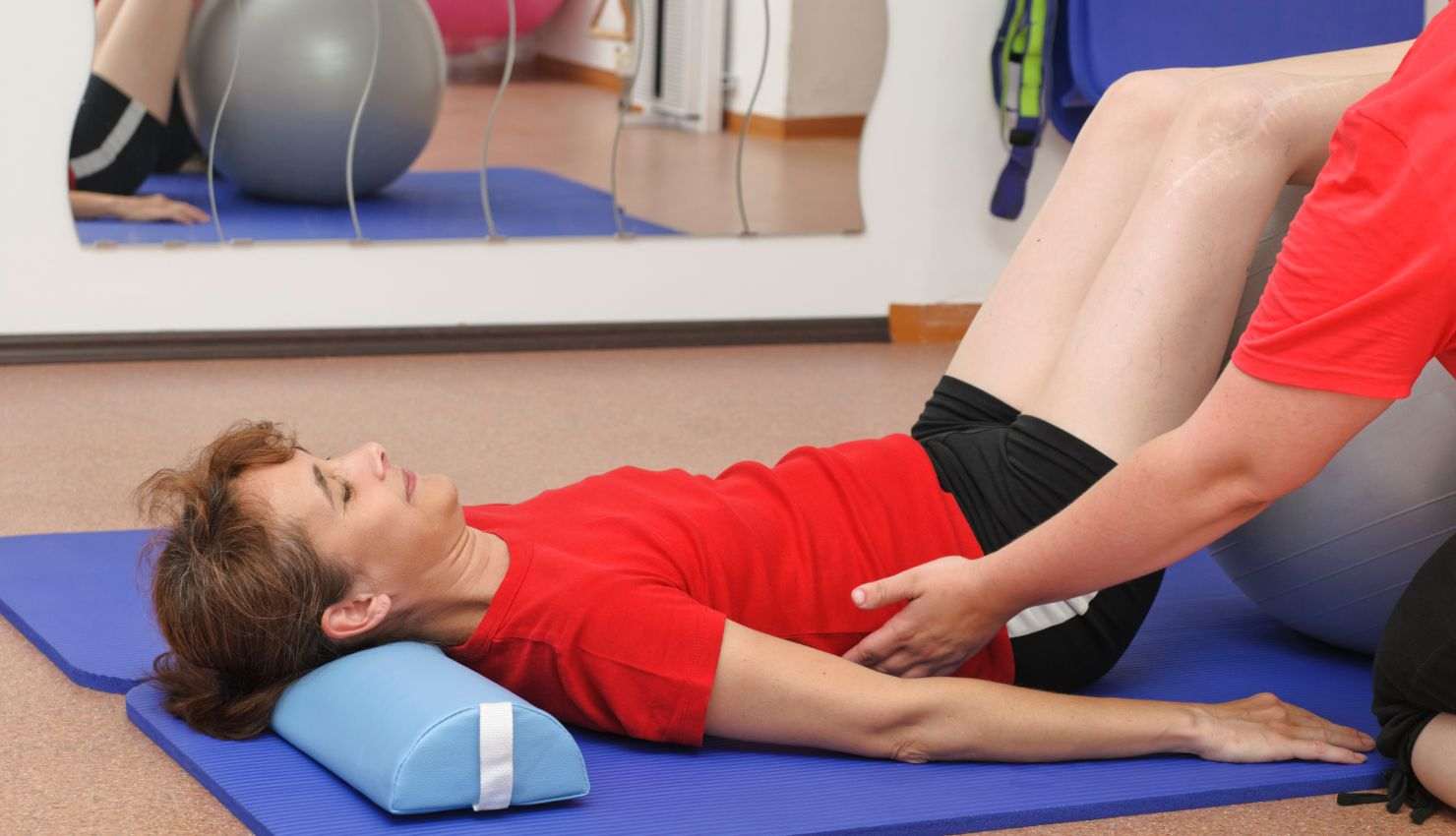
ecovering from an accidentwhether it’s a car crash, fall, or workplace incidentcan involve a wide range of physical and psychological challenges. Injuries may include fractures, soft tissue trauma, spinal issues, whiplash, or neurological impairments. Movement therapy plays a vital role in post-accident rehabilitation by helping individuals restore mobility, reduce pain, rebuild strength, and regain independence through structured, progressive movement.
?? Why Movement Therapy is Critical After an Accident
Accidents can lead to:
Joint stiffness and loss of range of motion
Muscle weakness and atrophy
Poor coordination and balance
Pain and swelling
Fear of movement (kinesiophobia)
Neurological deficits (in some cases)
Without guided rehabilitation, these complications can result in long-term disability or chronic pain. Movement therapy addresses both physical and functional deficits to support holistic recovery.
??? Core Benefits of Movement Therapy in Rehabilitation
1. Restores Range of Motion and Joint Mobility
Gentle mobility exercises help overcome stiffness caused by immobilization, inflammation, or scar tissue.
Improves joint lubrication and prepares tissues for functional activity.
2. Rebuilds Strength and Muscle Endurance
After trauma, disuse or bed rest can lead to muscle atrophy.
Movement therapy includes progressive resistance exercises to rebuild strength in affected and compensating muscle groups.
3. Reduces Pain and Promotes Healing
Controlled movement increases circulation, reduces inflammation, and facilitates tissue repair.
Non-invasive techniques (e.g., stretching, myofascial release) can reduce pain without medication.
4. Improves Balance, Coordination, and Proprioception
Accidents often disrupt neuromuscular control, leading to balance issues or instability.
Movement therapy includes targeted drills to retrain movement accuracy, reflexes, and spatial awareness.
5. Supports Functional Independence
Therapy is designed around activities of daily living (ADLs) like walking, dressing, bending, and lifting.
Restores confidence and ability to live and move independently.
6. Addresses Post-Traumatic Psychological Barriers
Fear of movement, pain avoidance, and low confidence are common post-accident.
Gradual, successful movement builds trust in the body and supports mental recovery.
?? Common Movement Therapy Techniques in Post-Accident Rehab
Technique Benefit
Passive/Active ROM Exercises Loosen stiff joints, maintain mobility
Strength and Endurance Training Rebuild tissue capacity and stamina
Neuromuscular Re-education Improve coordination, proprioception, and balance
Core Stability and Posture Work Reduce strain on the spine and improve body mechanics
Gait and Mobility Training Restore safe walking and weight-bearing movement
Functional Task Simulation Prepare for real-life tasks (lifting, reaching, climbing stairs)
?? Rehabilitation Timeline (Generalized)
Phase Focus
Acute Phase (02 weeks) Pain management, rest, gentle mobility
Subacute Phase (26 weeks) ROM, strength, basic function restoration
Rehabilitation Phase (612 weeks) Functional movement, neuromuscular retraining
Advanced/Return to Work Phase (12+ weeks) Task-specific training, endurance, confidence
Note: Timelines vary based on injury severity and individual response to treatment.
?? Who Needs Movement Therapy After an Accident?
Individuals recovering from:
Car or motorcycle accidents
Falls (especially in older adults)
Sports collisions or high-impact trauma
Industrial or workplace injuries
Those with orthopedic injuries (fractures, sprains, soft tissue tears)
People with neurological trauma (mild TBI, whiplash, spinal cord injuries)
? Long-Term Goals of Movement Therapy in Post-Accident Recovery
Regain full functional capacity
Prevent secondary injuries or compensatory movement issues
Reintegrate into daily life, work, and recreational activities
Minimize reliance on pain medication
Support mental resilience and emotional recoveryecovering from an accidentwhether it’s a car crash, fall, or workplace incidentcan involve a wide range of physical and psychological challenges. Injuries may include fractures, soft tissue trauma, spinal issues, whiplash, or neurological impairments. Movement therapy plays a vital role in post-accident rehabilitation by helping individuals restore mobility, reduce pain, rebuild strength, and regain independence through structured, progressive movement.
?? Why Movement Therapy is Critical After an Accident
Accidents can lead to:
Joint stiffness and loss of range of motion
Muscle weakness and atrophy
Poor coordination and balance
Pain and swelling
Fear of movement (kinesiophobia)
Neurological deficits (in some cases)
Without guided rehabilitation, these complications can result in long-term disability or chronic pain. Movement therapy addresses both physical and functional deficits to support holistic recovery.
??? Core Benefits of Movement Therapy in Rehabilitation
1. Restores Range of Motion and Joint Mobility
Gentle mobility exercises help overcome stiffness caused by immobilization, inflammation, or scar tissue.
Improves joint lubrication and prepares tissues for functional activity.
2. Rebuilds Strength and Muscle Endurance
After trauma, disuse or bed rest can lead to muscle atrophy.
Movement therapy includes progressive resistance exercises to rebuild strength in affected and compensating muscle groups.
3. Reduces Pain and Promotes Healing
Controlled movement increases circulation, reduces inflammation, and facilitates tissue repair.
Non-invasive techniques (e.g., stretching, myofascial release) can reduce pain without medication.
4. Improves Balance, Coordination, and Proprioception
Accidents often disrupt neuromuscular control, leading to balance issues or instability.
Movement therapy includes targeted drills to retrain movement accuracy, reflexes, and spatial awareness.
5. Supports Functional Independence
Therapy is designed around activities of daily living (ADLs) like walking, dressing, bending, and lifting.
Restores confidence and ability to live and move independently.
6. Addresses Post-Traumatic Psychological Barriers
Fear of movement, pain avoidance, and low confidence are common post-accident.
Gradual, successful movement builds trust in the body and supports mental recovery.
?? Common Movement Therapy Techniques in Post-Accident Rehab
Technique Benefit
Passive/Active ROM Exercises Loosen stiff joints, maintain mobility
Strength and Endurance Training Rebuild tissue capacity and stamina
Neuromuscular Re-education Improve coordination, proprioception, and balance
Core Stability and Posture Work Reduce strain on the spine and improve body mechanics
Gait and Mobility Training Restore safe walking and weight-bearing movement
Functional Task Simulation Prepare for real-life tasks (lifting, reaching, climbing stairs)
?? Rehabilitation Timeline (Generalized)
Phase Focus
Acute Phase (02 weeks) Pain management, rest, gentle mobility
Subacute Phase (26 weeks) ROM, strength, basic function restoration
Rehabilitation Phase (612 weeks) Functional movement, neuromuscular retraining
Advanced/Return to Work Phase (12+ weeks) Task-specific training, endurance, confidence
Note: Timelines vary based on injury severity and individual response to treatment.
?? Who Needs Movement Therapy After an Accident?
Individuals recovering from:
Car or motorcycle accidents
Falls (especially in older adults)
Sports collisions or high-impact trauma
Industrial or workplace injuries
Those with orthopedic injuries (fractures, sprains, soft tissue tears)
People with neurological trauma (mild TBI, whiplash, spinal cord injuries)
? Long-Term Goals of Movement Therapy in Post-Accident Recovery
Regain full functional capacity
Prevent secondary injuries or compensatory movement issues
Reintegrate into daily life, work, and recreational activities
Minimize reliance on pain medication
Support mental resilience and emotional recovery