Surgerywhether orthopedic, neurological, or soft tissueoften results in pain, stiffness,…

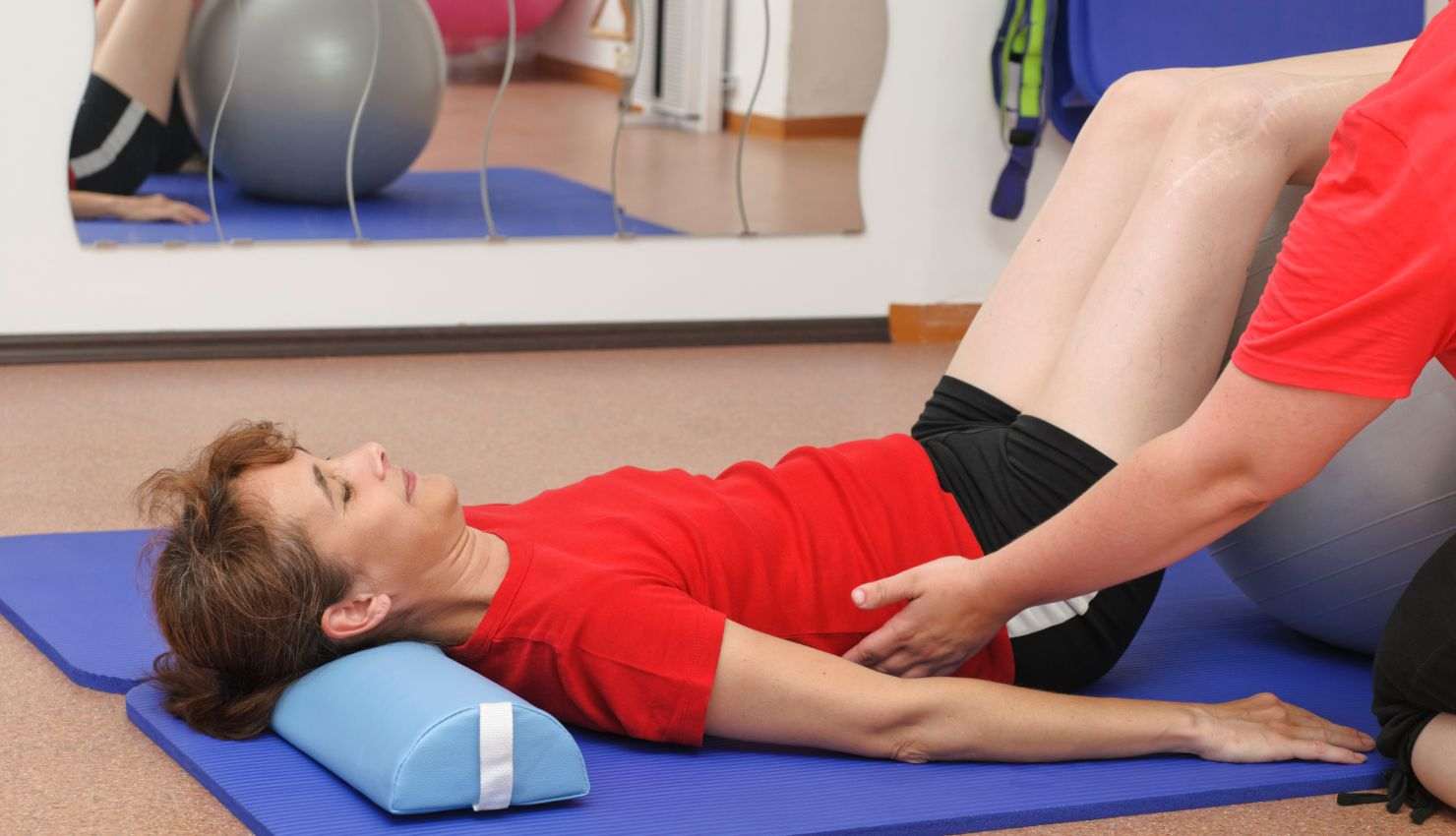
Surgerywhether orthopedic, neurological, or soft tissueoften results in pain, stiffness, muscle weakness, and reduced mobility. These postoperative limitations can significantly affect an individuals independence and quality of life. Movement therapy plays a crucial role in the recovery process by helping patients regain mobility safely and progressively, prevent complications, and return to daily activities or athletic function.
?? Why Mobility Declines After Surgery
Post-surgical mobility loss is common and can result from:
Immobilization (casts, braces, or bed rest)
Tissue trauma and inflammation
Pain or fear of movement
Muscle atrophy due to disuse
Joint stiffness and scar tissue formation
Without appropriate movement, these effects can delay healing and lead to long-term dysfunction.
? How Movement Therapy Enhances Post-Surgical Mobility
1. Restores Joint Range of Motion (ROM)
Guided stretching and mobility exercises help break down scar tissue and prevent joint contractures.
Progressive ROM exercises restore flexibility while protecting healing structures.
2. Improves Muscle Activation and Strength
Movement therapy re-engages muscles weakened by surgery and inactivity.
Gradual strengthening exercises rebuild the supporting musculature around the surgical site to restore control and function.
3. Reduces Pain and Swelling
Gentle movement stimulates blood flow and lymphatic drainage, which decreases inflammation and promotes healing.
Reduces stiffness-related pain and improves tolerance for daily movement.
4. Rebuilds Functional Movement Patterns
Focuses on retraining basic movements like standing, walking, squatting, reaching, or stair climbingrestoring independence and confidence.
Includes task-specific training to return to personal, work, or athletic activities.
5. Prevents Secondary Complications
Movement therapy helps avoid complications like blood clots (DVT), pressure sores, and muscle contractures that can occur from inactivity.
Encourages early mobilization, which is linked to faster and better outcomes.
6. Enhances Balance and Coordination
Surgical proceduresespecially joint replacements or neurological operationscan disrupt balance.
Movement therapy incorporates proprioceptive training to improve stability and reduce fall risk.
?? Phases of Movement Therapy After Surgery
Phase Goal
Early Phase (02 weeks) Gentle ROM, pain management, prevent stiffness
Subacute Phase (26 weeks) Controlled strengthening, mobility retraining
Rehabilitation Phase (612 weeks) Improve endurance, restore functional mobility
Advanced/Return-to-Function Phase High-level mobility, sport/work task simulation
Exact timelines vary by surgery type (e.g., joint replacement vs. spinal surgery).
?? Common Movement Therapy Techniques Used
Technique Purpose
Passive/Active-Assisted ROM Restores mobility without overstraining tissues
Isometric Strengthening Builds muscle without joint motion (safe early on)
Weight-Bearing Progression Reintroduces safe loading (especially post-joint surgery)
Balance and Gait Training Rebuilds walking skills and reduces fall risk
Functional Mobility Exercises Trains movement for daily life (e.g., sit-to-stand)
Myofascial Release or Stretching Eases tissue tension and promotes flexibility
?? Who Benefits from Movement Therapy After Surgery?
Joint replacement patients (hip, knee, shoulder)
Spinal surgery patients (laminectomy, fusion, disc repair)
Post-abdominal or thoracic surgery (e.g., hernia repair)
Orthopedic trauma patients (fracture repair, ligament reconstruction)
Neurosurgical patients (e.g., brain tumor resection, stroke-related procedures)
?? Benefits Beyond Mobility
Reduced risk of chronic pain or stiffness
Faster return to independent living
Improved mood and self-efficacy
Lower dependence on assistive devices
Better long-term outcomes and fewer setbacks
?? Psychological and Emotional Support
Surgery can cause anxiety about movement. A structured movement therapy program:
Builds confidence in the bodys ability to heal
Reduces fear-avoidance behaviors
Encourages consistency and hope through guided progress