Chronic conditionssuch as arthritis, fibromyalgia, Parkinsons disease, multiple sclerosi…

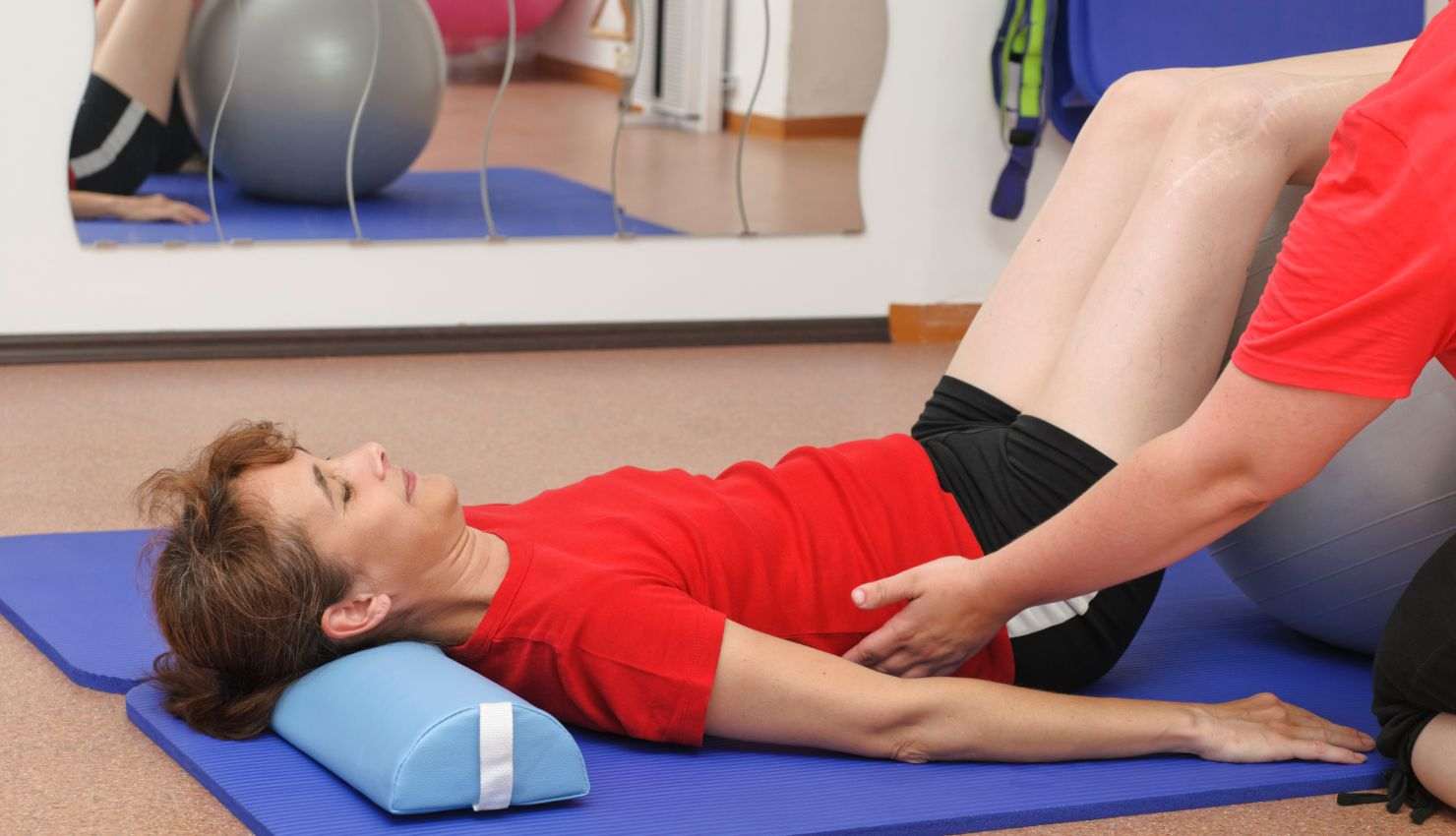
Chronic conditionssuch as arthritis, fibromyalgia, Parkinsons disease, multiple sclerosis, chronic pain syndromes, and cardiovascular diseasesaffect millions of people worldwide, often leading to reduced mobility, persistent pain, fatigue, and emotional distress. Movement therapy plays a critical and transformative role in the management of these conditions by restoring functional capacity, improving quality of life, and reducing reliance on medication.
?? Understanding Movement Therapy
Movement therapy involves therapeutic, intentional physical activity designed to:
Improve physical function
Relieve pain and stiffness
Promote overall well-being
Re-train the nervous system for better motor control
Its often tailored to the individual’s needs, limitations, and condition severity and can be delivered by physical therapists, rehabilitation specialists, or movement-based clinicians.
?? Why Movement Therapy Is Essential in Chronic Conditions
Chronic Challenge Movement Therapy Benefit
Pain and stiffness Increases circulation, improves joint lubrication, reduces muscle guarding
Fatigue Boosts energy via improved oxygen transport and mitochondrial activity
Deconditioning and weakness Rebuilds strength and endurance gradually
Restricted mobility Enhances joint range and movement efficiency
Emotional distress (depression, anxiety) Elevates mood through endorphin release and mindfulness
Risk of secondary conditions Prevents complications like osteoporosis, diabetes, and cardiovascular decline
? Key Therapeutic Effects of Movement Therapy
1. Reduces Chronic Pain
Gentle, progressive movement helps desensitize pain pathways.
Movement releases endorphins, the body’s natural painkillers.
Reduces stiffness in conditions like arthritis, fibromyalgia, and chronic low back pain.
2. Enhances Joint Mobility and Function
Increases synovial fluid flow in joints.
Restores movement patterns lost due to inactivity, injury, or degeneration.
3. Improves Muscle Balance and Posture
Corrects muscle imbalances that often exacerbate pain and dysfunction.
Strengthens core and postural muscles to reduce mechanical stress on joints and the spine.
4. Boosts Nervous System Adaptation
Especially useful in neurological conditions (e.g., Parkinsons, MS, post-stroke).
Improves motor control, coordination, and proprioception through repetitive movement and feedback.
5. Supports Cardiovascular and Metabolic Health
Movement improves circulatory function, reduces blood pressure, and supports glucose metabolism.
Especially valuable for those with diabetes, obesity, or post-cardiac events.
6. Fosters Mental and Emotional Well-Being
Combats anxiety, depression, and cognitive decline by encouraging mindful body awareness and social interaction.
Promotes autonomy, confidence, and a sense of purpose.
????? Conditions That Benefit from Movement Therapy
Condition Movement Therapy Benefit
Arthritis (OA, RA) Reduces joint stiffness, strengthens surrounding muscles
Fibromyalgia Decreases widespread pain and fatigue
Chronic Back or Neck Pain Rebuilds core stability, improves posture
Parkinsons Disease Enhances gait, balance, and fine motor control
Multiple Sclerosis Improves coordination, reduces spasticity, conserves energy
Stroke Rehabilitation Facilitates neuroplasticity and motor retraining
Diabetes or Cardiovascular Disease Improves circulation, regulates blood sugar and blood pressure
Chronic Fatigue Syndrome (ME/CFS) Gradual energy reconditioning through pacing and gentle motion
?? Types of Movement Therapy Techniques Used
Technique Application
Gentle stretching and ROM Increases flexibility, reduces joint stress
Strengthening exercises Builds muscular support and endurance
Balance and proprioception drills Improves stability and prevents falls
Breathwork and somatic movement Supports relaxation and vagal tone regulation
Tai Chi or Qigong Promotes controlled, mindful movement with low impact
Yoga or Pilates (therapeutic) Improves flexibility, strength, and body awareness
Aquatic therapy Reduces impact on joints while allowing full-body movement
?? The Mind-Body Connection in Chronic Illness
Movement therapy incorporates mindful movement, which:
Improves body awareness and reduces fear of movement
Helps interrupt the pain-fear-avoidance cycle
Builds self-efficacy and mental resilience
?? Long-Term Benefits
Greater functional independence in daily life
Fewer flare-ups or complications
Improved sleep, mood, and cognitive clarity
Reduced medication use and healthcare visits
A sustainable, patient-led path to long-term wellness