Recovery after joint surgerysuch as a hip replacement, knee arthroplasty, shoulder recons…

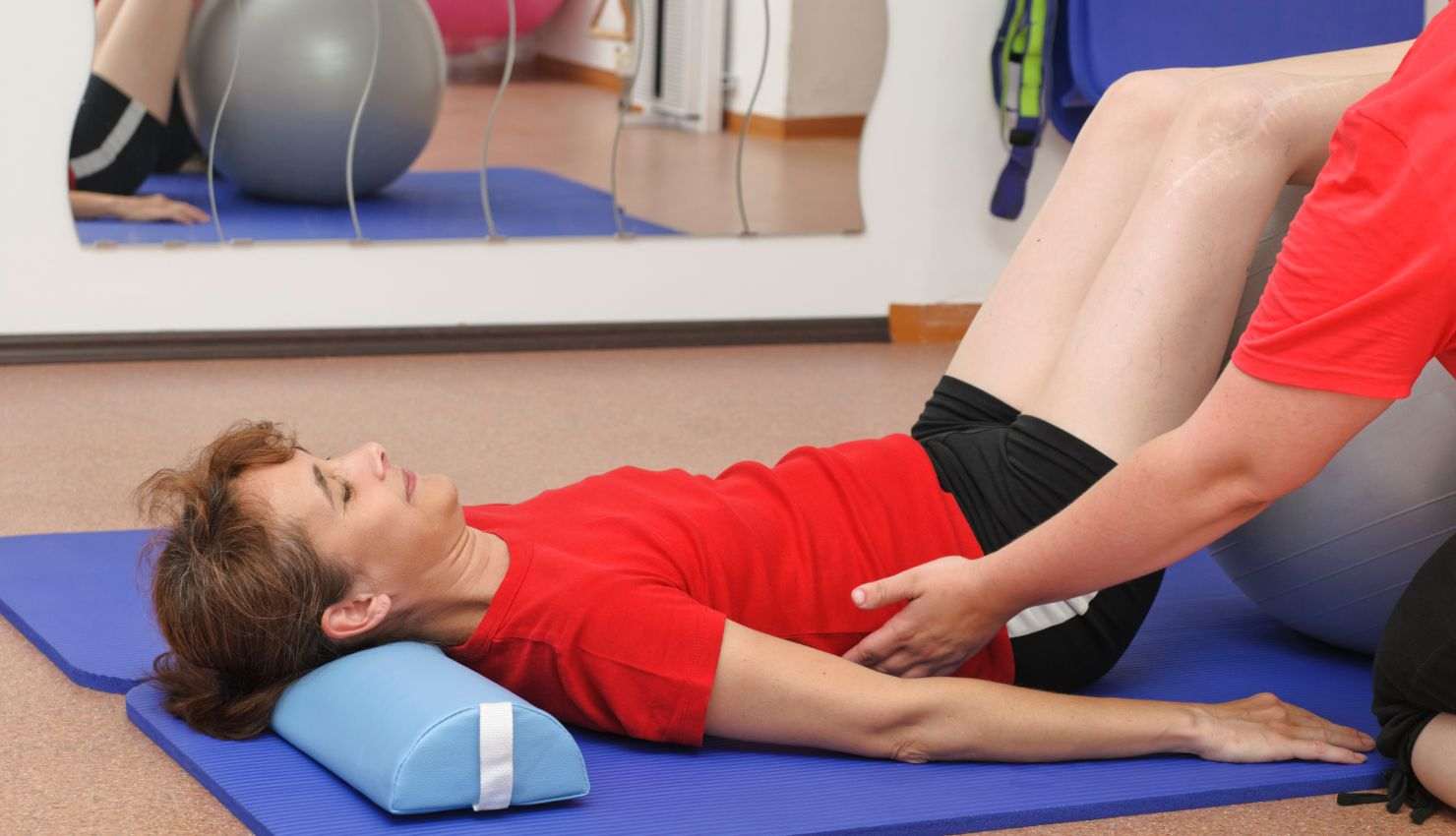
Recovery after joint surgerysuch as a hip replacement, knee arthroplasty, shoulder reconstruction, or ankle repairrequires more than just rest and medication. Regaining strength, mobility, and function involves intentional, guided movement. Movement therapy plays a vital role in this recovery by helping patients restore range of motion, rebuild muscle support, prevent complications, and return to daily activities safely and efficiently.
?? Understanding Joint Surgery Recovery Needs
After surgery, the affected joint and surrounding tissues are often:
Weak and deconditioned due to disuse
Stiff from inflammation or immobilization
Painful due to tissue trauma
Vulnerable to scar tissue, improper healing, or poor movement patterns
Without movement-based rehabilitation, patients may experience:
Delayed recovery
Persistent stiffness or limited mobility
Compensatory movement patterns
Increased risk of re-injury or adjacent joint stress
? How Movement Therapy Supports Post-Surgical Recovery
1. Restores Joint Mobility
Carefully guided range of motion (ROM) exercises help prevent joint stiffness and scar tissue buildup.
Early mobilization reduces swelling and improves synovial fluid circulation within the joint.
2. Rebuilds Strength in Supportive Muscles
Weakness in surrounding muscles can destabilize the joint.
Movement therapy includes progressive resistance training to rebuild strength and endurance without overloading the healing tissues.
3. Improves Neuromuscular Control
After surgery, the brain may lose coordination with the joint.
Movement therapy retrains neuromuscular patterns, improving control, balance, and joint awareness.
4. Reduces Pain and Inflammation
Gentle, consistent movement enhances blood flow, helping clear inflammation.
Promotes endorphin release, the bodys natural pain relief mechanism.
5. Prevents Complications
Helps prevent blood clots, joint adhesions, atrophy, and postural imbalances.
Encourages proper gait and alignment, especially after hip or knee replacements.
6. Supports a Gradual Return to Function
Movement therapy transitions patients from basic movements (standing, walking) to complex tasks (stair climbing, lifting, or returning to sport).
Emphasizes correct biomechanics to avoid re-injury or overuse.
????? Phases of Movement Therapy After Joint Surgery
Phase Goals Common Techniques
1. Early Recovery Protect joint, control swelling, begin gentle movement Passive ROM, ankle pumps, deep breathing, isometrics
2. Subacute Phase Increase mobility, start strengthening, reduce compensation Active-assisted ROM, light resistance, basic balance
3. Strengthening Phase Build endurance, improve joint stability Bodyweight exercises, step-ups, band work
4. Functional Integration Restore daily movement patterns, return to work or sport Squats, gait retraining, stair climbing, proprioception
?? Examples by Joint Type
Knee Surgery (e.g., TKR): Focus on quadriceps activation, knee extension, controlled bending, walking mechanics
Hip Replacement: Emphasis on hip abduction strength, balance, gait correction, posture awareness
Shoulder Surgery (e.g., rotator cuff repair): Focus on scapular stabilization, rotator cuff strength, full overhead ROM
Ankle Surgery: Balance training, foot mobility, calf strength, proper push-off mechanics
?? The Role of the Mind-Body Connection
Movement therapy also supports emotional and psychological recovery:
Reduces fear of movement (kinesiophobia)
Improves body confidence and autonomy
Supports mental clarity and motivation during recovery
?? Benefits of Movement Therapy After Joint Surgery
Faster return to daily activities and work
Less pain and stiffness
Better joint mobility and muscle balance
Reduced risk of falls, dislocations, or overuse injuries
Improved quality of life and long-term joint function