Incorporating movement therapy into rehabilitation plans involves a structured, personaliz…

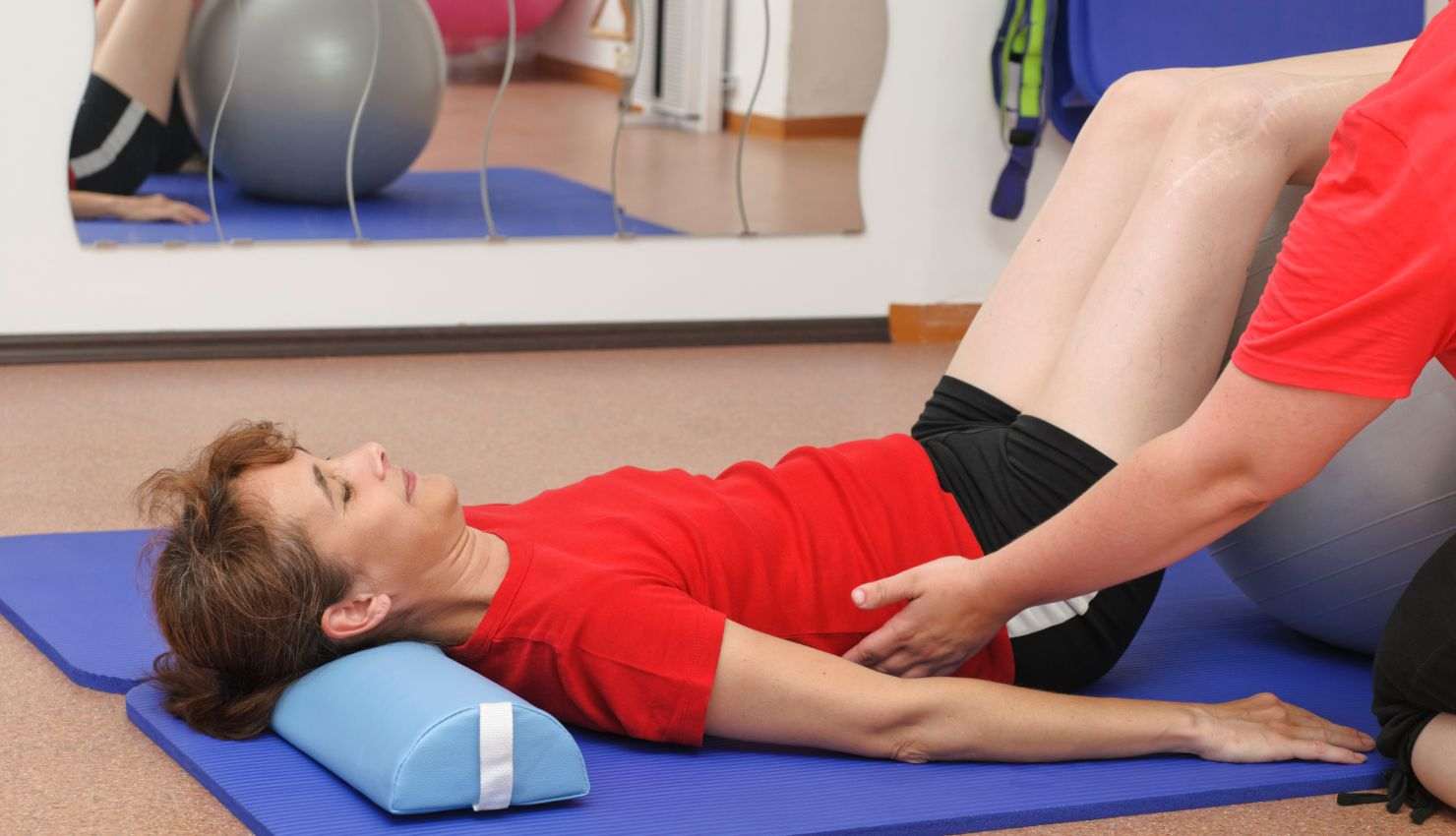
Incorporating movement therapy into rehabilitation plans involves a structured, personalized approach that addresses the root cause of dysfunction, promotes healing, and restores optimal movement patterns. Whether the goal is to recover from surgery, injury, or manage a chronic condition, movement therapy can be an effective and adaptable method across all stages of rehab.
Key Steps to Incorporate Movement Therapy
1. Comprehensive Assessment
Objective: Understand the patients physical condition, limitations, and goals.
Includes:
Postural and gait analysis
Range of motion (ROM) and flexibility testing
Muscle strength and stability evaluations
Functional movement screening
Pain level and movement compensations assessment
2. Set Individualized Goals
Create short-term (e.g., reduce pain, restore mobility) and long-term (e.g., return to work/sports) goals.
Align goals with patient lifestyle, occupation, and hobbies.
3. Design a Phased Movement Therapy Plan
Phases of Movement Therapy in Rehabilitation
? Phase 1: Acute Phase (Pain and Inflammation Management)
Focus: Gentle movement to reduce pain, prevent stiffness.
Interventions:
Passive and active-assisted ROM
Gentle joint mobilizations
Diaphragmatic breathing and relaxation techniques
Isometric holds for muscle activation
? Phase 2: Sub-Acute Phase (Restore Mobility and Begin Strengthening)
Focus: Improve flexibility, joint mobility, and neuromuscular control.
Interventions:
Dynamic stretching and mobility drills
Controlled concentric and eccentric exercises
Core stability and posture re-education
Balance and proprioception training
? Phase 3: Strength and Integration Phase
Focus: Build strength, endurance, and reintroduce functional tasks.
Interventions:
Resistance training using bands, weights, or bodyweight
Functional movement patterns (e.g., squatting, reaching, lifting)
Scapular and pelvic stability training
Unilateral and closed-chain movements
? Phase 4: Return-to-Activity Phase
Focus: Restore pre-injury function, prevent re-injury.
Interventions:
Sport-specific or job-related movement drills
Plyometric and dynamic agility work
Whole-body integration with progressive loading
Education on movement strategies and self-management
Additional Strategies for Implementation
Multidisciplinary Collaboration
Work with physical therapists, occupational therapists, chiropractors, and trainers to provide comprehensive care.
Patient Education
Teach clients about body mechanics, pain signals, and the purpose behind each movement to foster engagement and compliance.
Use of Tools and Modalities
Include foam rollers, resistance bands, stability balls, balance pads, and movement cues (verbal/tactile) to enhance feedback and performance.
Monitor and Adapt
Regularly reassess progress and adapt exercises based on performance, pain levels, and healing stages.
Benefits of Integrating Movement Therapy in Rehab
Promotes natural, functional movement patterns
Reduces risk of re-injury
Improves confidence in daily movement
Enhances overall recovery outcomes
Supports long-term physical health and independence