Muscle recovery is a crucial part of any fitness or athletic training program. While rest…

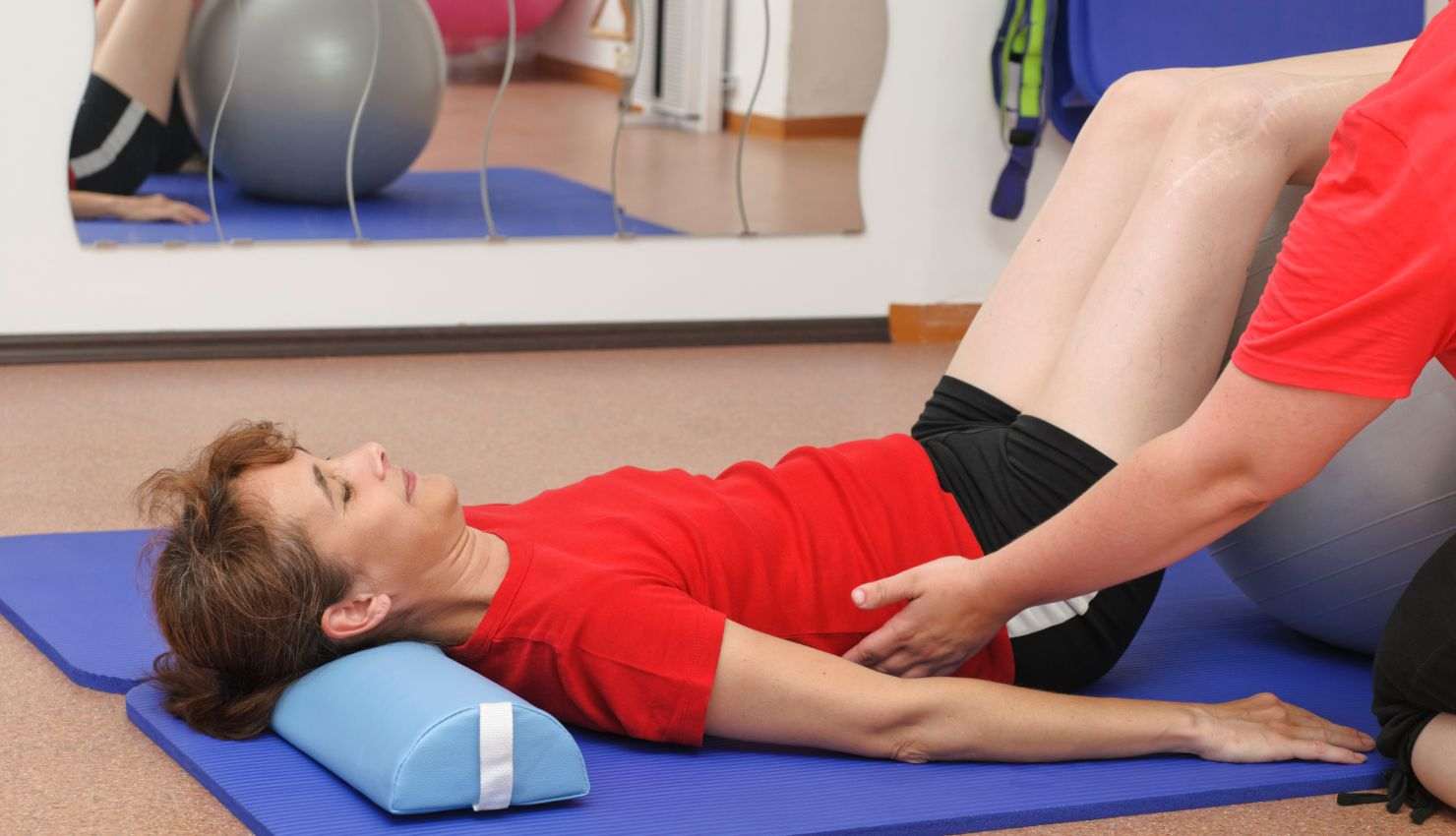
Muscle recovery is a crucial part of any fitness or athletic training program. While rest and nutrition are vital, movement therapy plays a key role in accelerating recovery by enhancing circulation, reducing muscle soreness, and restoring optimal joint and tissue function. Rather than complete inactivity, this approach encourages intentional, gentle movement to support the bodys natural healing processes.
?? Why Movement Therapy Aids Recovery
After intense exercise, muscles experience microtrauma, inflammation, and temporary stiffness. Movement therapy helps by:
Flushing metabolic waste (like lactic acid) from muscles
Increasing blood flow and oxygenation to healing tissues
Improving lymphatic drainage to reduce swelling
Decreasing muscle tension and soreness
Restoring full range of motion
Preventing movement compensation or dysfunction post-training
?? How Movement Therapy Supports Recovery
? 1. Active Recovery Techniques
Low-intensity movements performed 2448 hours post-exercise stimulate circulation and help muscles heal faster.
Examples:
Light walking or cycling
Gentle bodyweight mobility flows
Swimming or aqua therapy
Resistance band mobility work
? 2. Dynamic Stretching and Joint Mobilization
Keeps joints lubricated and muscles supple without overloading them.
Examples:
Arm swings, leg swings
Controlled hip circles, ankle and wrist rolls
Thoracic spine rotations and cat-cow sequences
? 3. Foam Rolling and Self-Myofascial Release
Breaks up adhesions and improves muscle tissue quality.
Focus areas:
Quads, hamstrings, glutes
Calves, IT bands, upper back
Use lacrosse balls for smaller muscle groups like traps and feet
? 4. Breath-Synchronized Movement
Incorporates controlled breathing to reduce nervous system stress and improve oxygen flow.
Examples:
Inhale during lengthening movements (e.g., reaching/stretching)
Exhale during relaxation or contraction (e.g., gentle folding or mobility drills)
? 5. Proprioceptive and Neuromuscular Re-education
Restores coordination and joint awareness post-fatigue, helping the body reset its movement patterns.
Tools:
Balance pads, stability balls
Gentle coordination drills (e.g., wall slides, shoulder taps, contralateral movements)
?? Sample Post-Workout Movement Therapy Routine (1520 Minutes)
Foam rolling (5 mins) Focus on thighs, glutes, calves, and back
Dynamic mobility flow (5 mins) Arm circles, hip openers, cat-cow, lunges with reach
Active stretching (5 mins) Hamstrings, quads, chest, shoulders
Breathing + Relaxation (5 mins) Supine breathing with knees bent, 4-4-8 breath cycle
?? Additional Tips for Maximizing Muscle Recovery
Hydrate well before and after movement therapy sessions
Incorporate recovery days into training plans with structured low-intensity movement
Track soreness and mobility changes to gauge effectiveness
Use progressive mobility work (e.g., controlled articular rotations or CARS) on rest days to maintain joint health
? Benefits of Movement Therapy in Recovery
Reduces Delayed Onset Muscle Soreness (DOMS)
Speeds up return to training readiness
Enhances overall movement quality and flexibility
Prevents stiffness and injury due to inactivity