Falls are a leading cause of injury and loss of independence in older adults. As the body…

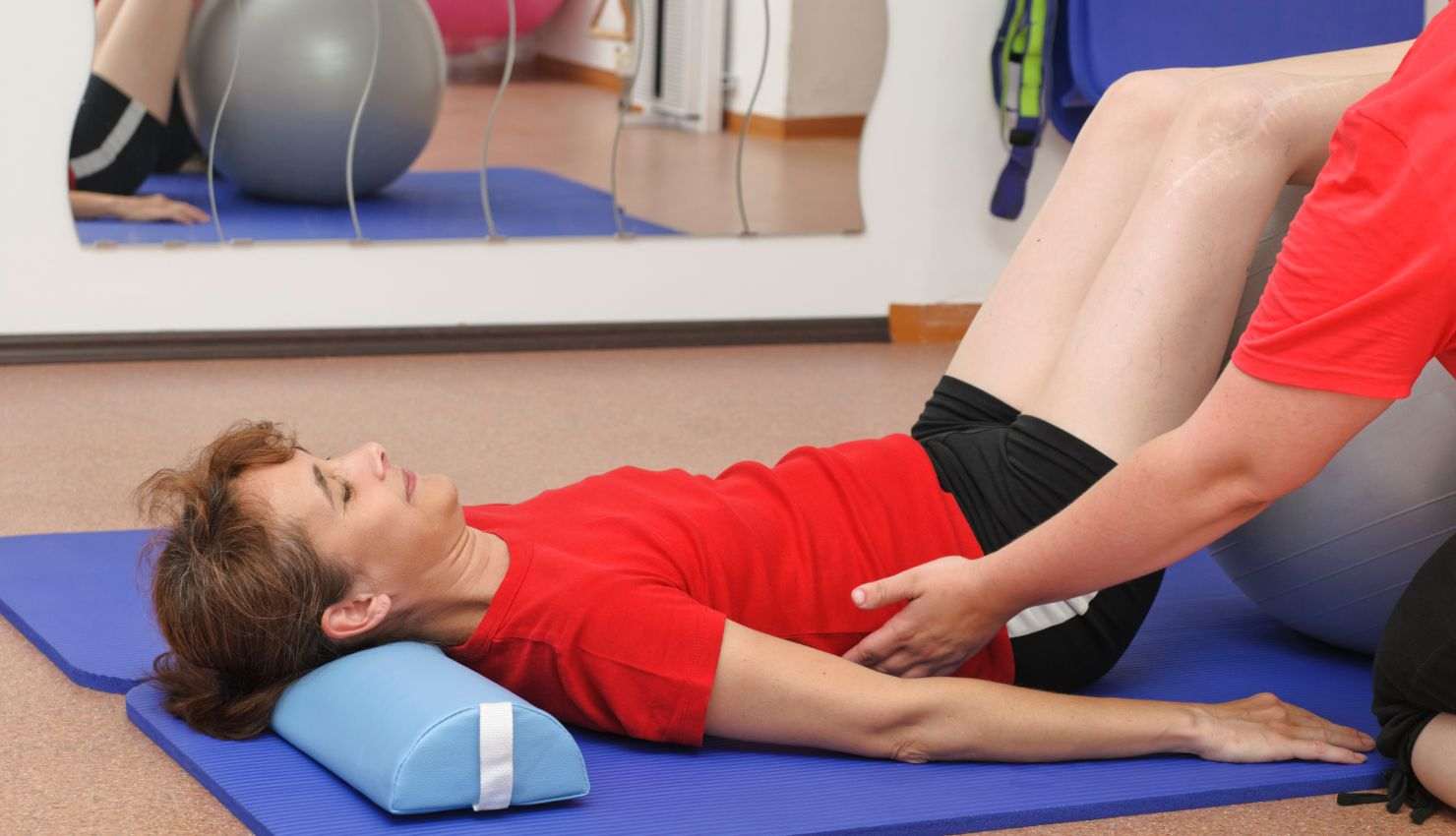
Falls are a leading cause of injury and loss of independence in older adults. As the body ages, factors like reduced muscle strength, poor balance, joint stiffness, and slowed reaction time contribute to fall risk. Movement therapy offers a proactive, gentle, and effective way to address these challenges by improving stability, coordination, strength, and confidence in movement.
?? Why Movement Therapy Works for Fall Prevention
Movement therapy focuses on retraining the body to move more efficiently, safely, and confidently. It incorporates:
Functional movement patterns (used in daily life)
Balance and proprioception training
Joint and muscle mobilization
Postural re-education
Cognitive-motor coordination (linking brain and body)
This integrative approach targets both the physical and neurological causes of instability.
?? Key Fall Risk Factors Addressed by Movement Therapy
Risk Factor How Movement Therapy Helps
Weak core and leg muscles Strengthens with functional movement and stability work
Poor balance and coordination Uses targeted balance exercises and proprioceptive drills
Limited joint mobility Improves range of motion in hips, knees, ankles, and spine
Gait irregularities Retrains walking patterns with rhythm and alignment
Postural instability Reinforces upright posture through spinal alignment techniques
Fear of falling Builds movement confidence and reduces anxiety
????? Core Movement Therapy Techniques for Fall Prevention
? 1. Gentle Strength and Mobility Training
Chair squats, step-ups, and standing hip abductions
Ankle circles, toe/heel raises to strengthen stabilizers
Arm swings and thoracic twists for upper body balance
? 2. Balance and Proprioception Drills
Tandem stance (heel-to-toe)
Weight shifting side to side
Single-leg stance (with support as needed)
Use of foam pads or balance boards in a safe environment
? 3. Gait Training and Walking Drills
Cueing heel-to-toe walking for proper foot placement
Side stepping, backward walking, and obstacle navigation
Coordination of arm swing with stride for improved gait rhythm
? 4. Posture and Alignment Work
Wall standing or seated alignment checks
Spinal mobility drills like cat-cow or standing roll-downs
Core engagement in upright positions to stabilize trunk
? 5. Mind-Body Integration
Breath-coordinated movement for calmness and focus
Slow, rhythmic motions (like in Tai Chi or Feldenkrais)
Mirror work or therapist feedback to build movement awareness
?? Sample Fall Prevention Movement Routine (1520 Minutes)
Seated posture reset + diaphragmatic breathing (23 mins)
Ankle and hip mobility drills (3 mins)
Chair-assisted squats and step taps (3 mins)
Weight shifting and balance holds (side to side) (4 mins)
Slow walking drills with varied direction (5 mins)
Cool-down: neck rolls, shoulder circles, and deep breathing (23 mins)
?? Benefits of Movement Therapy for Seniors
Improved balance and reaction time
Greater confidence in walking and daily tasks
Reduced risk of falls and related injuries
Enhanced muscle strength and joint flexibility
Better postural awareness and coordination
Support for mental clarity and calm under stress