Lower back pain and sciatica are among the most common causes of physical discomfort, affe…

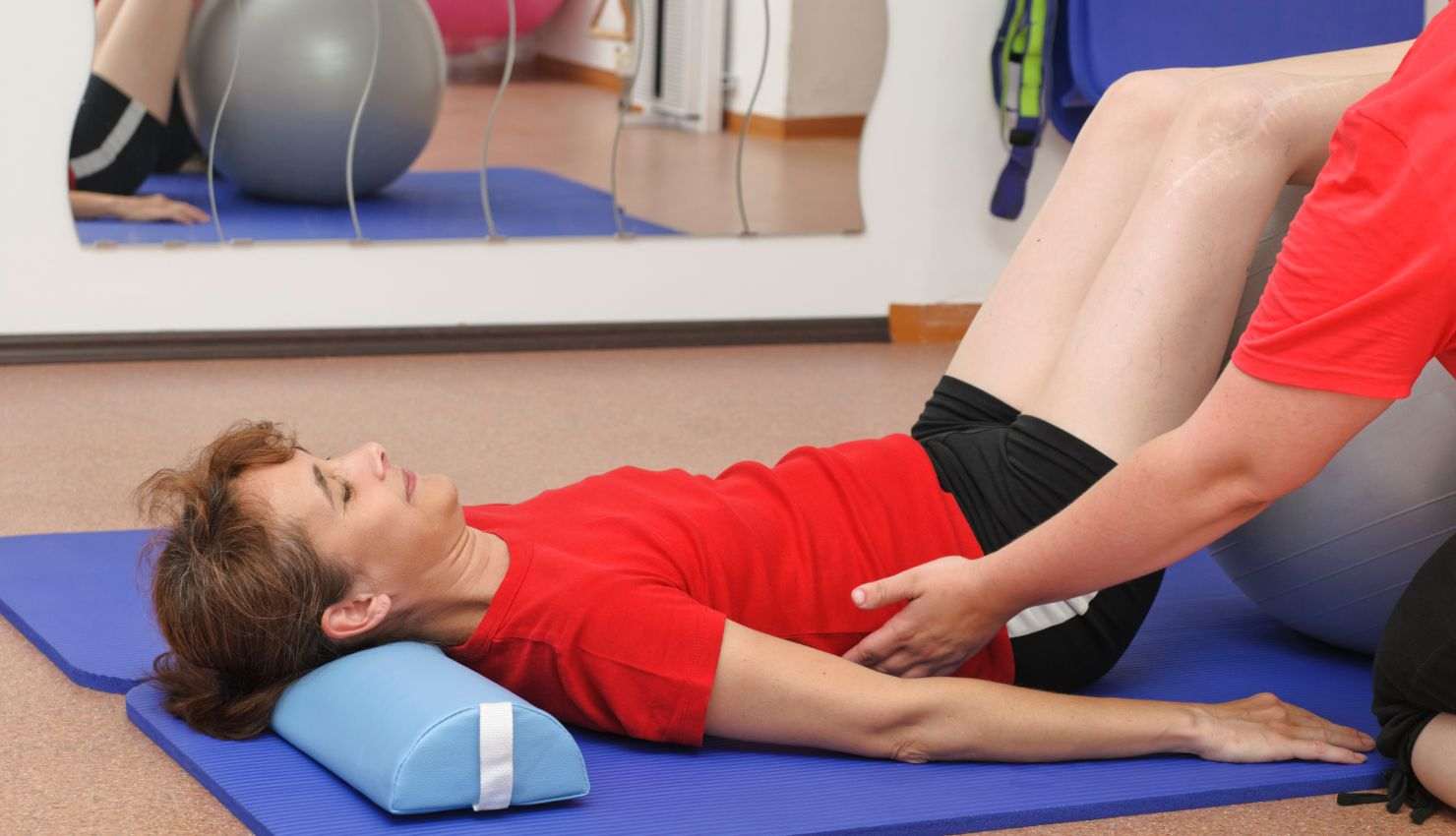
Lower back pain and sciatica are among the most common causes of physical discomfort, affecting millions of people worldwide. They can limit movement, disrupt daily activities, and lead to chronic issues if not addressed properly. Movement therapy offers a safe, non-invasive, and effective approach to relieve pain, restore function, and prevent recurrence.
Unlike aggressive workouts or passive treatments, movement therapy focuses on controlled, pain-free motion to improve spinal alignment, core stability, and nerve mobility, which are essential for long-term relief.
?? Understanding Lower Back and Sciatica Pain
Lower back pain often stems from muscle strain, poor posture, herniated discs, or degenerative spinal changes.
Sciatica occurs when the sciatic nerve is compressed or irritated, causing sharp or radiating pain from the lower back through the buttocks and down the leg.
Common causes include:
Herniated or bulging discs
Piriformis syndrome
Spinal stenosis
Muscle imbalances and pelvic misalignment
Prolonged sitting or sedentary lifestyle
?? How Movement Therapy Helps
? 1. Reduces Pressure on the Sciatic Nerve
Gentle stretching and mobility exercises help decompress the lumbar spine and surrounding tissues, relieving pressure on the sciatic nerve.
Examples:
Knee-to-chest stretches
Pelvic tilts
Childs pose with support
? 2. Strengthens Core and Gluteal Muscles
Core and hip stability reduce the strain on the lower back, enhancing spinal support and correcting movement compensations.
Examples:
Glute bridges
Bird-dog (opposite arm/leg reach)
Dead bug variations
? 3. Improves Lumbar and Hip Mobility
Improved movement in the hips, pelvis, and spine helps restore function and reduce compensatory tension that contributes to pain.
Examples:
Cat-cow spinal waves
Hip openers and gentle lunges
Seated spinal twists (within comfort)
? 4. Encourages Neural Gliding and Mobility
Specialized movements, such as nerve flossing, gently mobilize the sciatic nerve to reduce sensitivity and restore normal function.
Example:
Sciatic nerve glides (seated or lying with leg raises + ankle movement)
? 5. Promotes Better Posture and Body Awareness
Mindful movement teaches body alignment and control, helping individuals avoid pain-provoking positions and movements.
Techniques:
Posture resets with wall support
Breath-coordinated movement to reduce tension
Functional transitions like sit-to-stand
????? Sample Movement Therapy Routine for Lower Back and Sciatica Relief (1520 Minutes)
(Always avoid sharp painmodify or stop if discomfort increases.)
Diaphragmatic breathing + pelvic awareness (2 mins)
Pelvic tilts + knee-to-chest (lying down) (3 mins)
Cat-cow + childs pose stretch (3 mins)
Glute bridges + bird-dog (slow and steady) (4 mins)
Sciatic nerve glides (gentle leg + foot movement) (23 mins)
Seated twist and posture alignment + breathwork (34 mins)
?? Key Benefits of Movement Therapy for Back and Sciatic Pain
Decompresses the spine and relieves nerve pressure
Improves posture, flexibility, and control
Strengthens the body to prevent future episodes
Increases comfort with daily movement
Reduces reliance on medication or invasive procedures
?? Tips for Safe Practice
Begin with low-intensity exercises, increasing gradually.
Avoid deep forward bends or twisting if acute symptoms are present.
Use cushions or props for support when lying down or seated.
Consistency is keyshort, daily sessions work best.
Always consult a doctor or physical therapist for guidance, especially after a new injury or diagnosis.