Movement therapy isn’t just a tool for physical healingit also has profound effects on me…

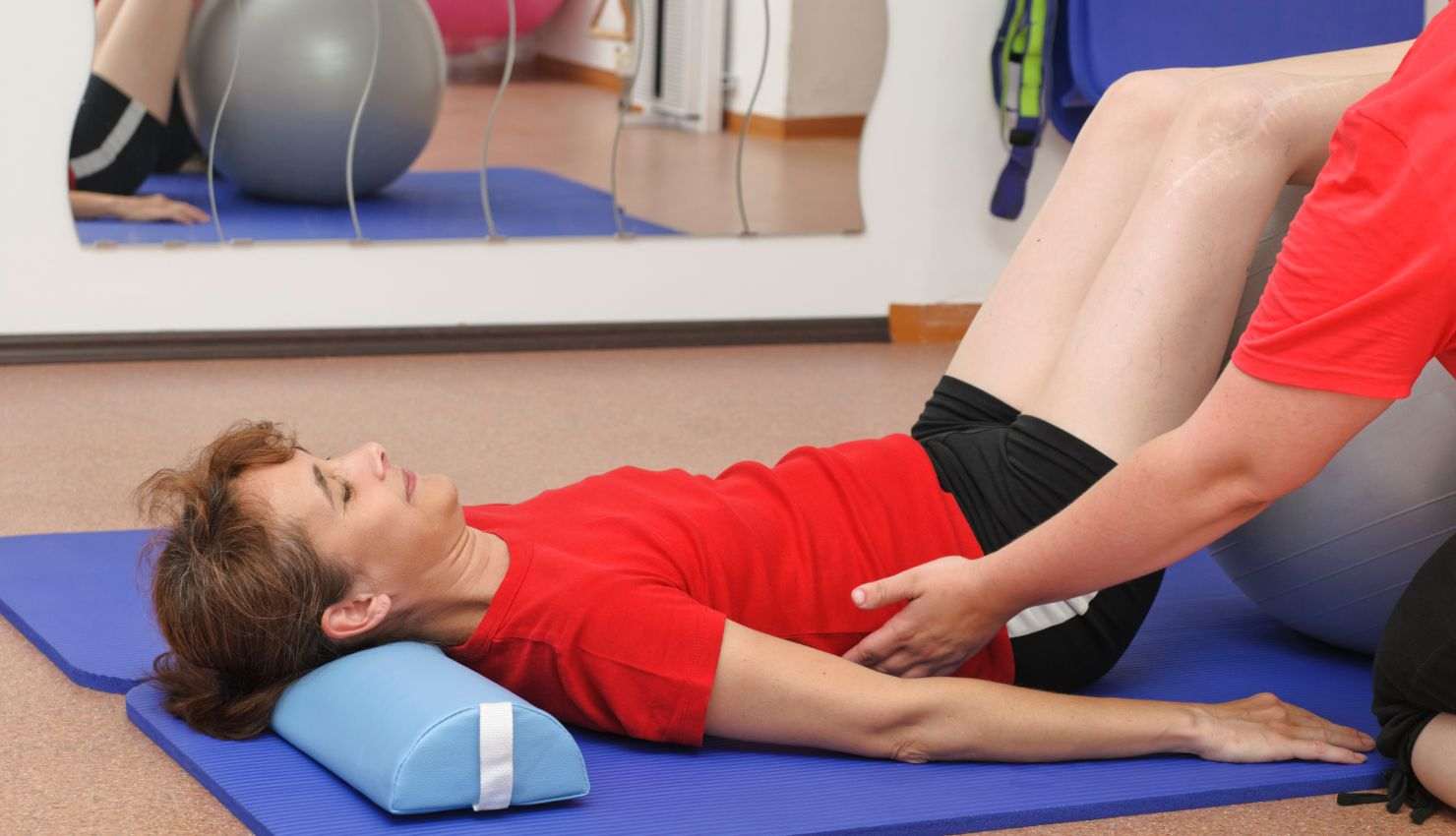
Movement therapy isn’t just a tool for physical healingit also has profound effects on mental clarity, cognitive function, and emotional regulation. By integrating intentional movement, breath control, and body awareness, movement therapy helps align the mind and body, which in turn enhances focus, alertness, and a sense of mental calm.
Unlike high-intensity exercise, movement therapy is often slower, more mindful, and neurologically stimulating, creating optimal conditions for improved brain health, attention span, and mood.
?? Why Movement Enhances Mental Clarity
The brain thrives on circulation, oxygen, and stimulation. When we move with intention:
Blood flow to the prefrontal cortex increases (critical for focus and decision-making)
Stress hormones like cortisol decrease, and dopamine and serotonin rise
The nervous system rebalances, reducing overstimulation and anxiety
Neural pathways involved in coordination and cognition are activated together
Movement therapy takes this a step further by promoting slow, coordinated, and mindful movement, engaging both body awareness and cognitive attention.
????? How Movement Therapy Enhances Focus and Clarity
? 1. Regulates the Nervous System
Movement therapy includes breathing, stretching, and flowing motion, activating the parasympathetic nervous system, which calms the mind and sharpens mental clarity.
Techniques like diaphragmatic breathing, gentle yoga, or Tai Chi-inspired movements can instantly reduce mental noise.
? 2. Improves Brain-Body Connection
By focusing on how the body feels and moves in space (proprioception), individuals become more present, which reduces mental distractions and improves concentration.
Example: Slow, deliberate movements while maintaining awareness of posture and breath.
? 3. Boosts Cognitive Function
Movement stimulates neurogenesis (growth of new brain cells) and improves executive functioncritical for planning, attention, and working memory.
Studies show regular mind-body movement (like Feldenkrais or dance therapy) improves cognitive flexibility and task switching.
? 4. Reduces Mental Fatigue and Brain Fog
Movement therapy often includes light aerobic activity and spinal mobilization, which increases oxygenation and circulation to the brain, combating sluggishness and mental fatigue.
Just 1015 minutes of mindful motion can increase alertness without overstimulating the nervous system.
? 5. Supports Emotional Regulation
Movement helps release stored tension, which can cloud thinking and emotional balance. Releasing that tension creates space for greater mental clarity and focus.
Somatic movement therapy is often used for trauma recovery and emotional reset.
?? Sample 10-Minute Mind-Body Clarity Routine
Seated or standing breath focus (2 min)
? Inhale deeply for 4 counts, exhale slowly for 6
Neck and shoulder rolls with intention (12 min)
Cat-cow or gentle spinal twists (2 min)
Standing balance (tree pose or single-leg balance) (2 min)
Mindful walk or foot-grounding (23 min)
Close with 3 deep breaths and a short body scan: What do I feel? What do I need?
?? Key Mental Benefits of Movement Therapy
Benefit How It’s Achieved
Enhanced mental clarity Improved blood flow and brain oxygenation
Better focus and concentration Coordinated, mindful movement
Reduced stress and anxiety Breath regulation and nervous system balancing
Improved mood and energy Dopamine release and physical activation
Greater self-awareness Mind-body integration and sensory tuning
?? Best Modalities for Mental Focus & Clarity
Feldenkrais Method Re-educates movement patterns and sharpens body-brain feedback
Alexander Technique Enhances posture and mental presence through micro-adjustments
Tai Chi / Qigong Combines flow, breath, and meditative motion
Yoga-based movement therapy Enhances balance, breath, and mind-body discipline
Dance therapy Unlocks cognitive creativity and emotional expression
? Final Thought
When movement is intentional, fluid, and connected with breath, it becomes a powerful tool for the mind as well as the body. Whether you’re feeling foggy, distracted, or overwhelmed, movement therapy can bring you back into a state of mental clarity, grounded presence, and renewed focusall in just a few minutes a day.