Shoulder stiffness and limited range of motion (ROM) can result from injury, surgery, poor…

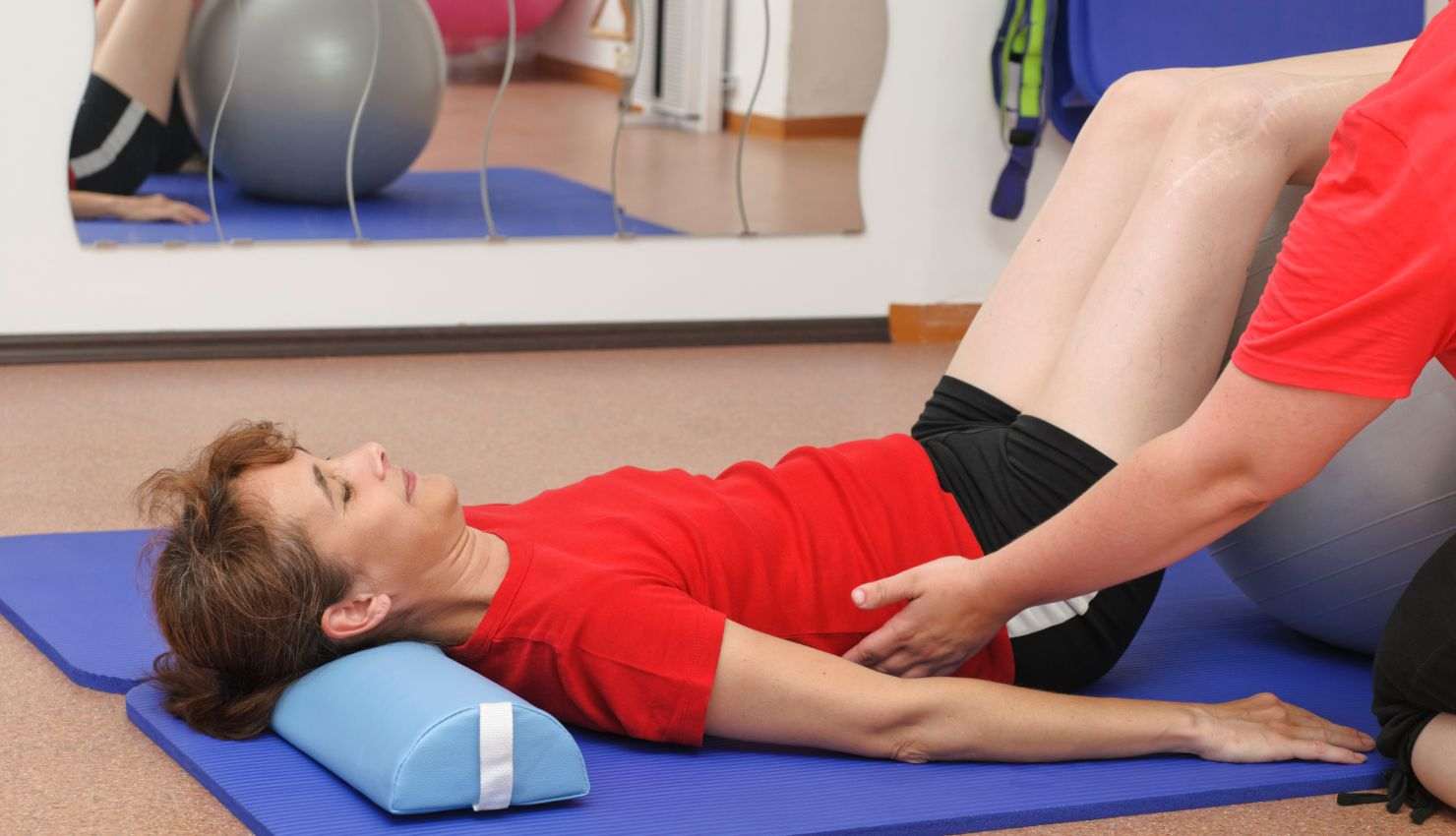
Shoulder stiffness and limited range of motion (ROM) can result from injury, surgery, poor posture, frozen shoulder (adhesive capsulitis), or chronic immobility. Movement therapy offers a targeted and gentle approach to restore shoulder mobility, reduce pain, and improve function without overstressing the joint.
By focusing on controlled, low-impact movements, this therapy supports joint lubrication, muscle flexibility, and neuromuscular re-education, which are essential for regaining functional use of the shoulders.
?? Why Shoulder ROM Is Often Impaired
Common causes include:
Post-surgical stiffness (e.g., rotator cuff repair, mastectomy)
Frozen shoulder (adhesive capsulitis)
Tendinitis or bursitis
Poor posture or rounded shoulders
Prolonged immobility (e.g., sling use, bedrest)
Arthritis or degenerative changes
The shoulder is a highly mobile and complex joint. Restoration requires coordinated activation of the glenohumeral joint, scapula, and thoracic spine.
?? How Movement Therapy Restores Shoulder Mobility
? 1. Gentle Mobilization of the Shoulder Capsule
Passive and active-assisted movements gently stretch the capsule and connective tissues that restrict motion.
Examples:
Pendulum swings
Wall-assisted climbs (finger walk-ups)
Towel stretch behind the back or overhead
? 2. Scapular Stabilization and Mobility
Healthy scapular motion is essential for full shoulder ROM. Movement therapy targets the coordination between shoulder and shoulder blade.
Exercises:
Scapular retraction (pinching shoulder blades together)
Shoulder rolls and shrugs
Wall slides with scapular control
? 3. Thoracic Spine Mobilization
The upper spine must move well for the shoulder to move fully. Gentle spinal twists and extensions help unlock shoulder function.
Movements:
Seated or standing thoracic rotation
Cat-cow stretches (spine focus)
Foam rolling upper back (gentle)
? 4. Progressive Strength Through Range
Once mobility improves, resistance-based movement therapy builds strength throughout the newly restored range.
Examples:
Resistance band shoulder abduction/flexion
Isometric holds (e.g., pressing hand into a wall)
Overhead reach with light weights or pulleys
?? Sample Shoulder ROM Movement Therapy Routine (1520 mins)
Warm-Up (35 mins)
Shoulder circles, neck rolls, deep breathing
Gentle thoracic rotations seated or standing
Mobility Phase (57 mins)
Pendulum swings (forward-back, side-side, circular)
Wall finger climbs (forward and side)
Towel stretch (behind the back or overhead)
Scapular Activation (34 mins)
Shoulder blade squeezes (5-second holds)
Wall slides or standing scapular retraction
Arm slides on table (with cloth or ball)
Strength and Control (optional, 5 mins)
Resistance band external rotation
Overhead reach with 12 lb weight
Isometric wall presses (front, side)
Cool-Down Stretch (2 mins)
Cross-body arm stretch
Childs pose with arm reach
Chest-opening stretch (hands clasped behind back)
?? Benefits of Movement Therapy for Shoulder ROM
Benefit Result
Increased joint lubrication Reduces stiffness and adhesions
Improved soft tissue flexibility Enhances pain-free movement
Neuromuscular re-education Improves muscle control and movement accuracy
Restored functional use Enables lifting, reaching, dressing, etc.
Non-invasive and low-risk Ideal for recovery post-surgery or injury
?? Safety and Progression Tips
Begin with pain-free ranges and progress gradually
Use props (wall, towel, pulley) for assisted motion
Avoid jerky or fast movementsslow and mindful is key
Combine with heat or gentle massage to reduce stiffness
Track improvement using functional goals (e.g., reach a shelf, wash hair)
? Final Thought
Movement therapy offers a structured and empowering path to shoulder mobility recovery. With consistent, guided practice, you can expect increased comfort, expanded range, and renewed confidence in your arm movementswhether you’re reaching overhead, putting on a coat, or simply lifting a glass of water.