Movement therapy isnt only for rehabilitation or flexibilityit can also play a valuable…

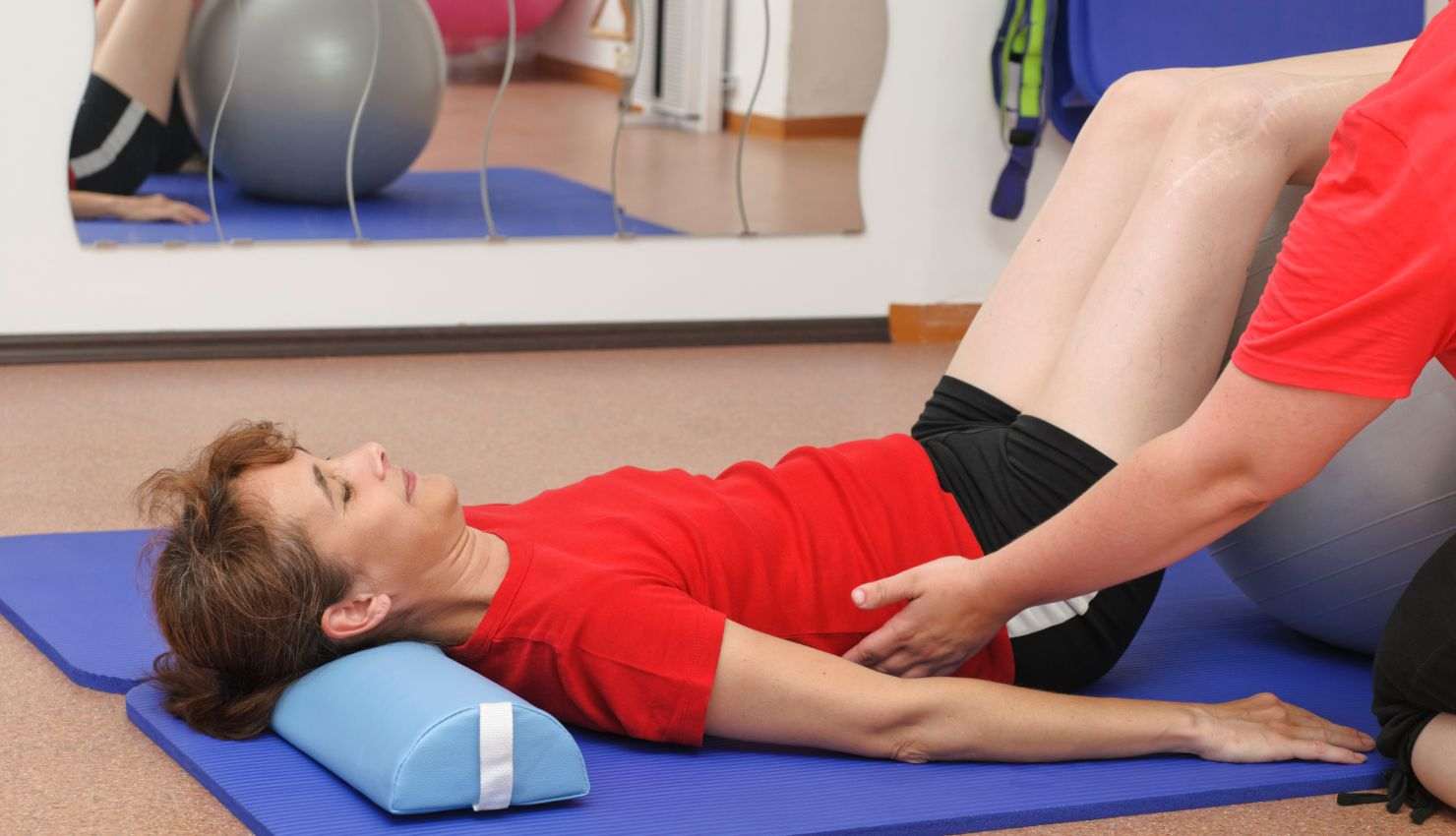
Movement therapy isnt only for rehabilitation or flexibilityit can also play a valuable role in improving cardiovascular health and building endurance. By combining mindful, low- to moderate-intensity movements with rhythm, breathwork, and progressive physical challenges, movement therapy helps safely elevate heart rate, increase circulation, and enhance respiratory efficiencyespecially for those who are recovering from illness, injury, or managing chronic conditions.
Unlike high-intensity training, movement therapy is gentler, functional, and sustainable, making it suitable for individuals across age groups and fitness levels while still contributing to a stronger, healthier heart and better physical stamina.
?? How Movement Therapy Supports Cardiovascular Health
Boosts blood flow and circulation
Gentle movement increases vascular elasticity and promotes oxygen delivery to muscles and organs.
Improves heart and lung efficiency
Controlled, rhythmic movement enhances oxygen uptake and cardiac output, gradually improving aerobic endurance.
Regulates blood pressure and resting heart rate
With consistent practice, movement therapy helps reduce sympathetic nervous system dominance (stress response), supporting long-term cardiovascular health.
Encourages lymphatic drainage
Movement stimulates lymph flow, which supports immune health and reduces swelling or fluid retention.
Supports weight control and metabolic health
Even low-intensity movement done regularly contributes to calorie burn, insulin sensitivity, and lipid balance.
?? Best Movement Therapy Modalities for Cardiovascular and Endurance Benefits
Technique Description
Tai Chi or Qigong Slow, flowing sequences improve circulation, breath control, and balance
Dynamic stretching routines Gradually raise heart rate and enhance joint mobility before exercise
Dance-based movement therapy Rhythmic movement enhances coordination and cardiovascular conditioning
Low-impact functional circuits Movements like step-ups, squats, and arm swings for 2030 mins
Somatic walking drills Mindful walking with breath and posture focus improves gait and aerobic output
Aquatic movement therapy Provides cardiovascular stimulation with minimal joint stress
????? Sample Movement Therapy Routine for Cardiovascular Health (30 Minutes)
Warm-Up (5 minutes):
March in place with arm swings
Gentle spinal rolls and side bends
Shoulder rolls and ankle circles
Main Flow (20 minutes):
Low-impact circuit (repeat 23 rounds):
Step-touch side to side (2 mins)
Marching knee lifts with opposite arm reach (2 mins)
Chair squats or shallow lunges (1 min)
Standing thoracic twist with arms extended (1 min)
Recovery walk in place (1 min)
Cool-Down (5 minutes):
Standing or seated forward fold
Deep diaphragmatic breathing
Gentle seated spinal twist
Gratitude or mindfulness pause
?? Modify duration or intensity based on fitness level. Gradual progression is key.
?? Benefits of Movement Therapy for Cardiovascular Endurance
Benefit Impact on the Body
Improved circulation Supports heart health and nutrient delivery
Enhanced oxygen efficiency Reduces fatigue during daily activities
Lower resting heart rate and BP Less cardiovascular strain over time
Increased stamina and endurance Longer tolerance for physical activity
Safer for people with limitations Adaptable to injury, age, or chronic illness
Boosted mental focus and emotional clarity Through rhythmic, mindful movement
?? Safety Tips
Start slowly, especially if new to exercise or managing a health condition
Keep movements low-impact and joint-friendly
Stay hydrated, and stop if you feel dizzy, short of breath, or unwell
Consult your healthcare provider before beginning if you have a cardiac condition