Movement therapy is a powerful tool for enhancing balance and proprioceptionthe bodys ab…

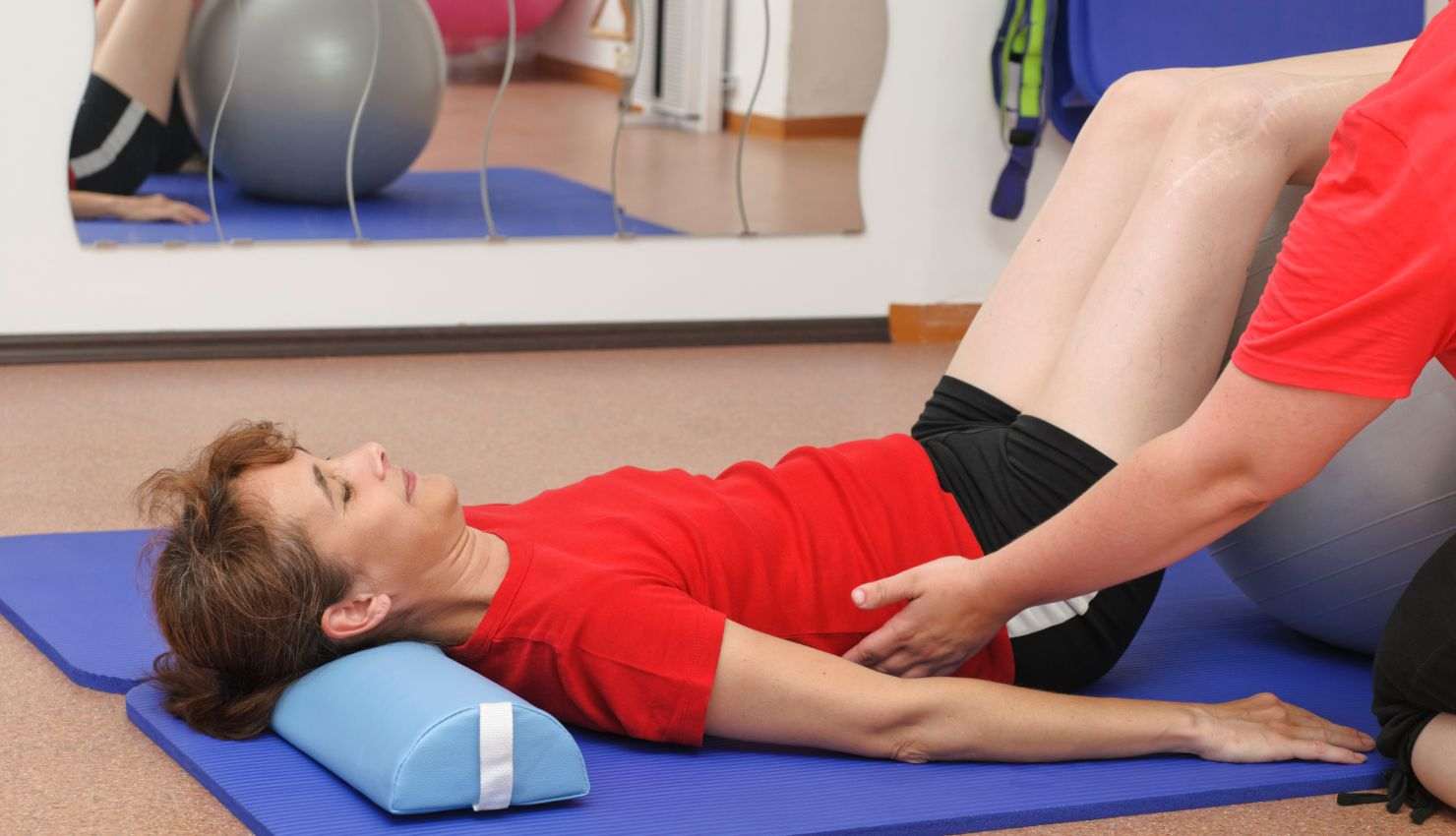
Movement therapy is a powerful tool for enhancing balance and proprioceptionthe bodys ability to sense its position, motion, and equilibrium in space. These two elements are crucial for safe, coordinated movement and injury prevention, especially for older adults, athletes, or individuals recovering from injury or neurological conditions.
By combining controlled movements, sensory input, and neuromuscular re-education, movement therapy can significantly improve ones ability to stay steady, aligned, and responsive during everyday activities and dynamic motion.
?? What Is Proprioception?
Proprioception is your body’s internal GPSit allows you to detect movement, force, and position without having to look. It’s essential for:
Coordinating limbs during walking or running
Maintaining balance on uneven surfaces
Adjusting posture without conscious thought
Recovering quickly from slips or near-falls
Poor proprioception often leads to instability, joint misalignment, and higher fall risk.
?? How Movement Therapy Enhances Balance & Proprioception
Mechanism Effect
Stimulates sensory receptors in joints Improves body awareness and response time
Trains stability muscles Engages core, hips, and ankle stabilizers
Challenges the vestibular and visual systems Helps adapt to environmental changes
Re-educates neuromuscular pathways Rebuilds coordination and motor planning
Incorporates mindful, multi-directional motion Promotes better weight shifting and center-of-gravity control
?? Effective Movement Therapy Techniques for Balance & Proprioception
? 1. Single-Leg Stance Progressions
Begin with standing on one leg near a chair or wall
Progress by closing the eyes or standing on an unstable surface (foam pad)
? 2. Tandem Walks (Heel-to-Toe)
Enhances proprioception and foot placement awareness
Add arm movement or head turns for complexity
? 3. Weight Shifting Exercises
Side-to-side and forward-back shifting while standing or seated
Great for retraining balance after stroke or surgery
? 4. Balance Pad or BOSU Work
Standing exercises on unstable surfaces challenge ankles, knees, and hips
Start slow, focus on posture and core engagement
? 5. Dynamic Movement Sequences (Tai Chi or Qigong-inspired)
Slow, flowing transitions train postural control and spatial awareness
? 6. Eyes-Closed Movement Drills
Removes visual feedback to enhance internal body sense
Perform safe, simple motions like arm raises or stepping in place
????? Sample 15-Minute Movement Therapy Routine
Exercise Time/Reps
Diaphragmatic breathing + grounding 2 mins (seated or standing)
Weight shifts (lateral + forward) 12 mins each
Single-leg balance (supported) 30 seconds/leg × 2 sets
Tandem walking (heel-to-toe) 2 passes forward and back
Arm reaches with torso twist 10 reps per side
Standing slow-march with pause 1 minute, alternate legs
Ankle rolls and foot doming 1015 reps
?? Repeat daily or as part of warm-up to maximize nervous system engagement.
?? Benefits of Movement Therapy for Balance and Proprioception
Benefit Outcome
Reduced fall risk Stronger reaction time and joint stabilization
Improved gait and posture Smoother walking, better alignment
Enhanced athletic performance Sharper movement control, agility, and coordination
Faster rehab after injury or stroke Reconnects brain-body pathways
Boosted confidence in movement Less fear of imbalance or missteps
??? Safety Tips for Balance Work
Start with support: Use a chair, wall, or rail
Always work within a safe range
Progress gradually: From stable to unstable surfaces
Engage your core: Strong midsection improves control
Work barefoot when possible: Stimulates foot proprioceptors
? Final Thought
Movement therapy offers a gentle yet highly effective way to restore and refine your bodys sense of balance and space. Whether you’re an aging adult trying to prevent falls, a recovering athlete, or someone with a neurological condition, consistent practice of movement-based techniques can rebuild trust in your body’s ability to move confidently, safely, and with control.