Muscle spasmssudden, involuntary contractions of a musclecan be painful, disruptive, and…

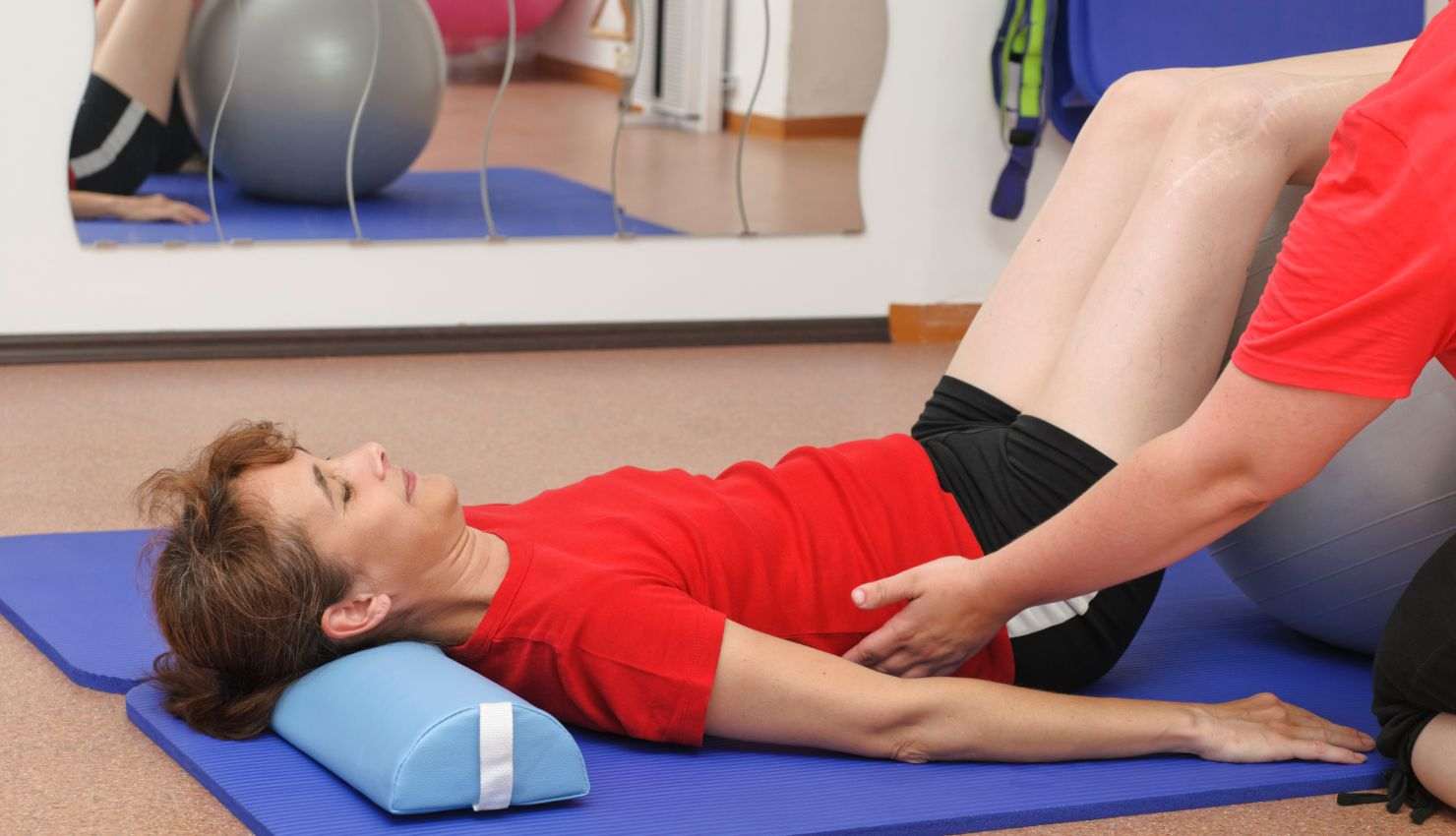
Muscle spasmssudden, involuntary contractions of a musclecan be painful, disruptive, and often occur due to fatigue, overuse, dehydration, or underlying neurological or musculoskeletal conditions. Movement therapy offers a targeted, non-invasive approach to managing and reducing the frequency and severity of muscle spasms by addressing the root causes such as poor circulation, muscular imbalances, and nerve irritation.
?? What Causes Muscle Spasms?
Cause Effect on Muscles
Dehydration/electrolyte imbalance Affects nerve-muscle communication
Overuse or fatigue Leads to oxygen debt and lactic acid buildup
Poor posture or prolonged tension Triggers chronic tightness and reactive spasms
Nerve compression (e.g., sciatica) Irritates motor pathways, causing misfiring
Injury or immobility Causes muscle guarding or compensatory spasms
? How Movement Therapy Helps Manage Muscle Spasms
Therapeutic Mechanism Benefit
Improves blood circulation Delivers oxygen and removes waste from muscles
Enhances flexibility Reduces tension in overworked muscles
Promotes neuromuscular balance Corrects imbalances that may trigger spasms
Releases tight fascia Restores natural muscle movement and glide
Teaches movement control Reduces overactivation and stress on muscles
?? Key Movement Therapy Techniques for Spasm Relief
1. Gentle Dynamic Stretching
Examples: Arm swings, cat-cow pose, ankle circles
Purpose: Increases blood flow and loosens tight areas
2. Active Range of Motion (AROM)
Examples: Controlled shoulder rolls, neck rotations, hip circles
Purpose: Keeps joints and muscles moving without stress
3. Contract-Relax Techniques (PNF)
Examples: Hamstring or calf stretch with a slight push-back phase
Purpose: Encourages muscle relaxation after light contraction
4. Isometric Holds
Examples: Wall sits, plank variations
Purpose: Builds strength without aggravating spasms
5. Foam Rolling or Self-Massage
Examples: Roll out calves, back, glutes
Purpose: Breaks up adhesions and reduces muscle tightness
6. Breath-Integrated Movement
Examples: Deep diaphragmatic breathing during stretches
Purpose: Calms the nervous system and reduces tension
?? 10-Minute Movement Therapy Routine for Spasm Relief
Exercise Time/Reps
Diaphragmatic breathing 2 minutes
Dynamic stretching (full-body) 35 minutes
Controlled AROM for affected muscle 10 reps
Foam rolling or massage 12 minutes
Gentle stretch (e.g., childs pose) 1 minute
?? Tips for Managing Spasms with Movement Therapy
Never stretch into pain Gentle tension is enough
Stay hydrated Especially after sessions
Progress slowly Spasms may increase if over-stressed
Use heat beforehand To loosen stiff muscles
Pair movement with breathing It improves neuromuscular calm
?? Long-Term Benefits
Outcome Impact on Daily Life
Reduced frequency of spasms Fewer interruptions from involuntary contractions
Greater muscular balance and tone Less compensation and strain
Improved posture and alignment Reduces chronic tension and trigger points
Enhanced movement confidence Encourages physical activity without fear
?? When to See a Specialist
If muscle spasms are severe, persistent, or occur with numbness or weakness, consult a healthcare provider.
For spasms due to neurological or spinal conditions, work with a physical or movement therapist to develop a custom plan.