Strengthening the spine and lower back through movement therapy is essential for enhancing…

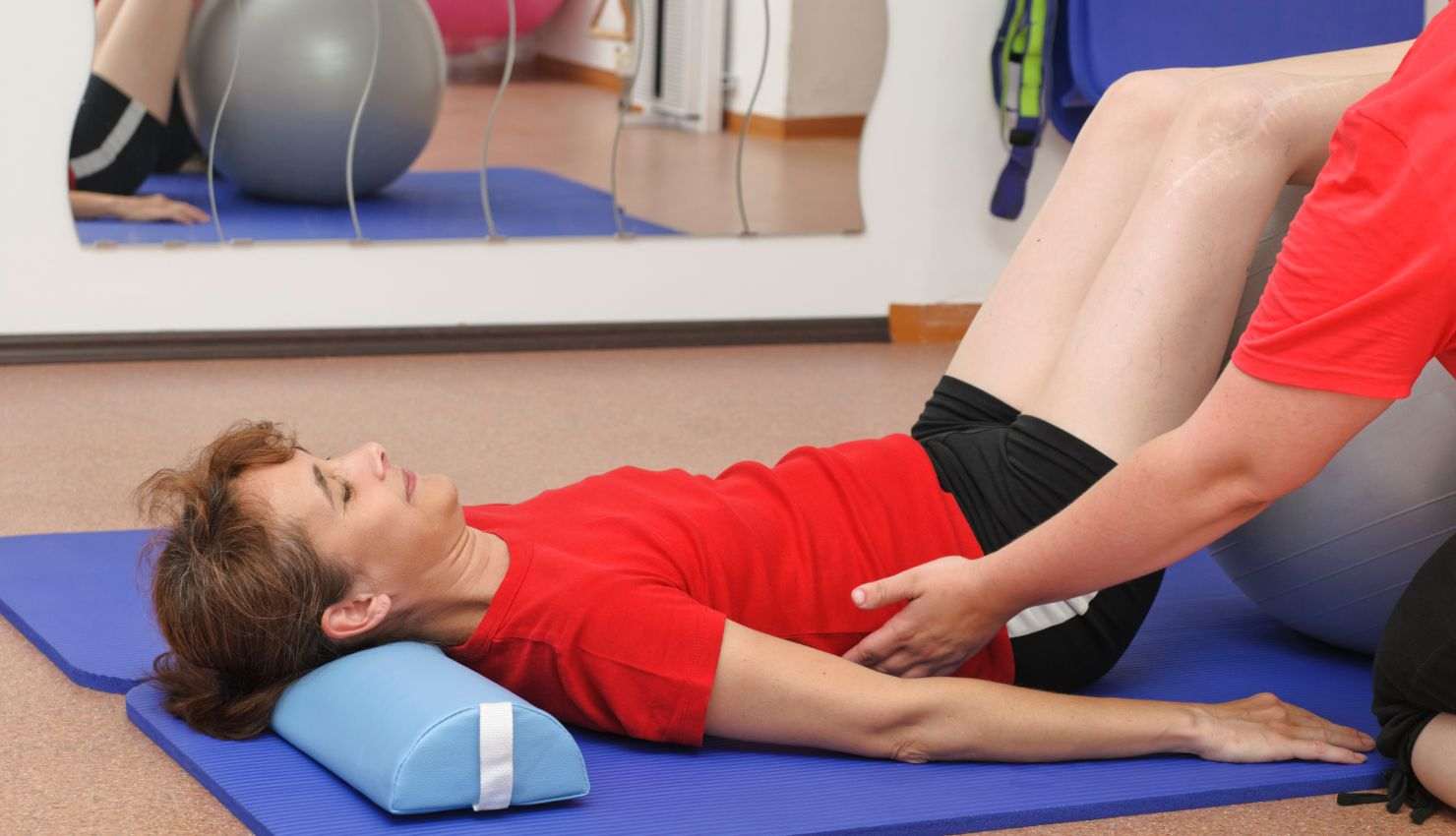
Strengthening the spine and lower back through movement therapy is essential for enhancing stability, reducing pain, and preventing injuries. Many people experience lower back discomfort due to sedentary habits, muscle imbalances, or poor posture. Movement therapy uses controlled, progressive exercises that activate the core and spinal muscles, correct alignment, and restore functional strength.
?? Why Lower Back and Spinal Strength Matter
Function Importance
Supports upright posture Prevents slouching and compensatory movement
Enables bending, twisting, and lifting Facilitates safe daily activity and sports
Stabilizes the entire core Protects spine and internal organs
Reduces load on intervertebral discs Minimizes risk of bulging discs and back pain
?? Common Causes of Spinal Weakness or Pain
Sedentary lifestyle and prolonged sitting
Weak core or glutes
Poor posture and body mechanics
Muscle imbalances (tight hip flexors, weak abdominals)
Injury or surgery recovery
Improper lifting technique
? How Movement Therapy Strengthens the Spine and Lower Back
Therapeutic Focus Benefit
Activates stabilizing muscles (core, glutes, paraspinals) Enhances support and alignment
Corrects muscle imbalances Reduces uneven strain on the spine
Improves spinal mobility and flexibility Prevents stiffness and restores functional range
Builds endurance in postural muscles Helps maintain upright posture over time
Reinforces proper movement patterns Prevents reinjury or compensatory habits
?? Key Movement Therapy Exercises
?? 1. Pelvic Tilts
How: Lie on your back, gently tilt pelvis to flatten lower back, then release
Purpose: Improve lumbar control and core awareness
?? 2. Glute Bridges
How: Lie on your back, knees bent, lift hips while squeezing glutes
Purpose: Strengthen glutes and reduce pressure on lower back
?? 3. Bird-Dog
How: On hands and knees, extend opposite arm and leg, hold, and switch sides
Purpose: Build core stability and spinal alignment
?? 4. Dead Bug
How: Lie on your back, raise arms and legs, lower opposite arm/leg in control
Purpose: Strengthen deep core muscles without stressing the spine
?? 5. Superman Holds
How: Lie face-down, lift arms and legs slightly off the floor
Purpose: Activate back extensors and improve posture
?? 6. Cat-Cow Stretch
How: On hands and knees, alternate arching and rounding your back
Purpose: Promote spinal mobility and segmental control
?? 7. Side Planks (Modified or Full)
How: Hold body on side, supported by forearm and foot/knee
Purpose: Strengthen obliques and lateral support systems
?? 15-Minute Daily Routine for Spine and Lower Back Strength
Exercise Reps/Time
Cat-Cow Stretch 1 minute
Pelvic Tilts 1015 reps
Glute Bridges 1015 reps
Bird-Dog 10 reps per side
Dead Bug 1012 reps total
Superman Hold 3 holds of 1015 seconds
Side Plank (Modified) Hold 1530 seconds/side
?? Tips for Success
Focus on slow, controlled movement rather than intensity
Engage your core muscles with every exercise
Avoid arching or compressing the lower backneutral spine is key
Breathe evenly to support muscle control
If pain increases, pause and consult a professional
?? Benefits of Movement Therapy for the Spine and Back
Improvement Result
Reduced lower back pain Less daily discomfort and fewer flare-ups
Improved spinal alignment Better posture and mobility
Enhanced functional core strength More efficient, safer movement in daily life
Lower risk of injury Especially during lifting, twisting, or sports
Greater body awareness Better self-correction and prevention of overload