Movement therapy plays a critical role in accelerating and supporting recovery after major…

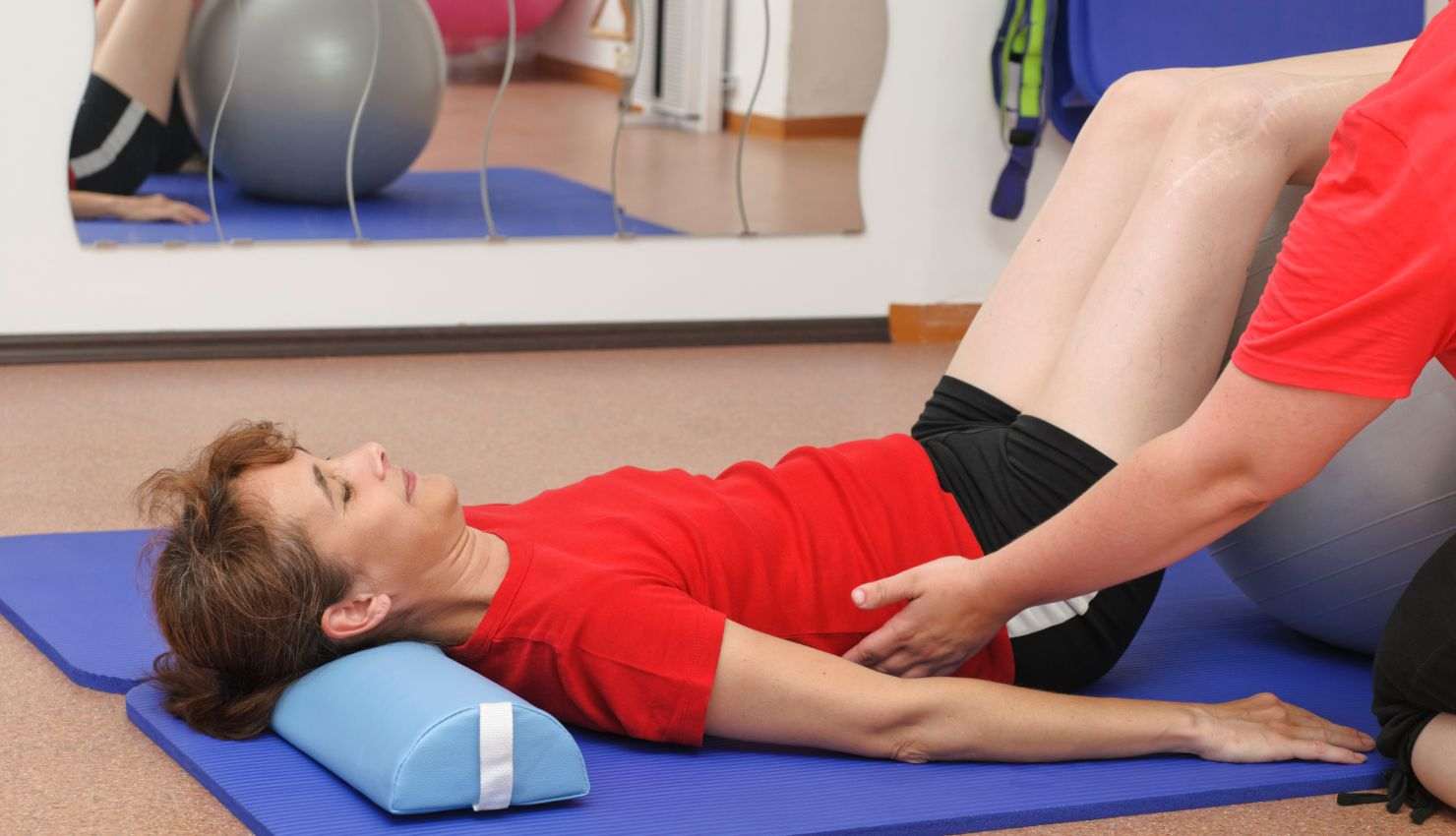
Movement therapy plays a critical role in accelerating and supporting recovery after major surgery by gently reintroducing mobility, promoting circulation, reducing stiffness, and preventing complications such as muscle atrophy or joint immobility. Tailored movement strategies help patients regain strength, function, and confidence while minimizing post-surgical discomfort and improving long-term outcomes.
?? Why Movement Matters After Surgery
After major proceduressuch as orthopedic surgery (hip, knee, spine), abdominal operations, or cardiac surgeriesthe body experiences:
Decreased mobility due to pain, fear, or incisions
Muscle weakness from prolonged bed rest
Joint stiffness and scar tissue formation
Circulatory issues like swelling or risk of blood clots
Emotional effects such as anxiety, frustration, or depression
Movement therapy helps combat all of these by gradually reconditioning the body and restoring safe, functional motion.
? Key Benefits of Movement Therapy in Post-Surgical Recovery
Benefit How It Helps
Restores range of motion Prevents joint stiffness and scar tissue build-up
Improves circulation Enhances healing, reduces swelling, and lowers clot risk
Builds muscle strength Prevents atrophy, improves joint support and function
Boosts mobility and independence Helps with walking, sitting, standing, and daily tasks
Reduces pain and inflammation Gentle movement releases endorphins and reduces tension
Enhances breathing and posture Especially vital after thoracic or abdominal surgery
Supports mental and emotional health Movement combats depression, boosts mood, and restores confidence
?? Examples of Movement Therapy Based on Surgical Type
?? Orthopedic Surgery (e.g., Knee, Hip, Spine)
Goals: Regain mobility, balance, strength
Movements: Ankle pumps, leg slides, supported standing, chair squats, walking progression
?? Cardiac Surgery
Goals: Improve circulation, lung function, stamina
Movements: Seated leg lifts, gentle walking, shoulder rolls, breathing exercises
?? Abdominal Surgery
Goals: Reduce scar tissue, restore core engagement
Movements: Deep breathing, pelvic tilts, supported walking, modified trunk rotations
?? Neurological Surgery (e.g., stroke, brain tumor)
Goals: Regain neuromuscular control, balance, coordination
Movements: Guided limb movement, balance drills, mirror therapy, gait training
?? Sample Gentle Movement Progression
Phase Activities
Early (Day 15) Breathing exercises, ankle pumps, passive limb movement, bed mobility drills
Mid (Week 14) Sitting to standing transitions, assisted walking, range-of-motion exercises
Later (Weeks 4+) Strengthening, balance training, functional task practice (e.g., climbing stairs)
Always guided and adjusted by a medical or rehab professional.
?? Safety Tips for Post-Surgical Movement
Follow your surgeon or therapist’s timelinedon’t rush recovery
Start slowlylisten to your body and avoid pain-inducing movements
Use supports (e.g., walker, chair, pillow) as needed
Stay consistenteven 510 minutes daily adds up
Monitor for warning signsincreased swelling, redness, shortness of breath
?? Long-Term Results of Integrating Movement Therapy
Outcome Impact on Recovery
Faster return to normal activity Walk, climb stairs, dress independently sooner
Better functional movement Bend, lift, and balance safely
Less dependence on medication Especially painkillers and anti-inflammatories
Improved surgical outcomes Lower complication rates and better mobility
Greater confidence and motivation Patients feel empowered to reclaim health