Regaining functional independencethe ability to move, perform daily tasks, and live auton…

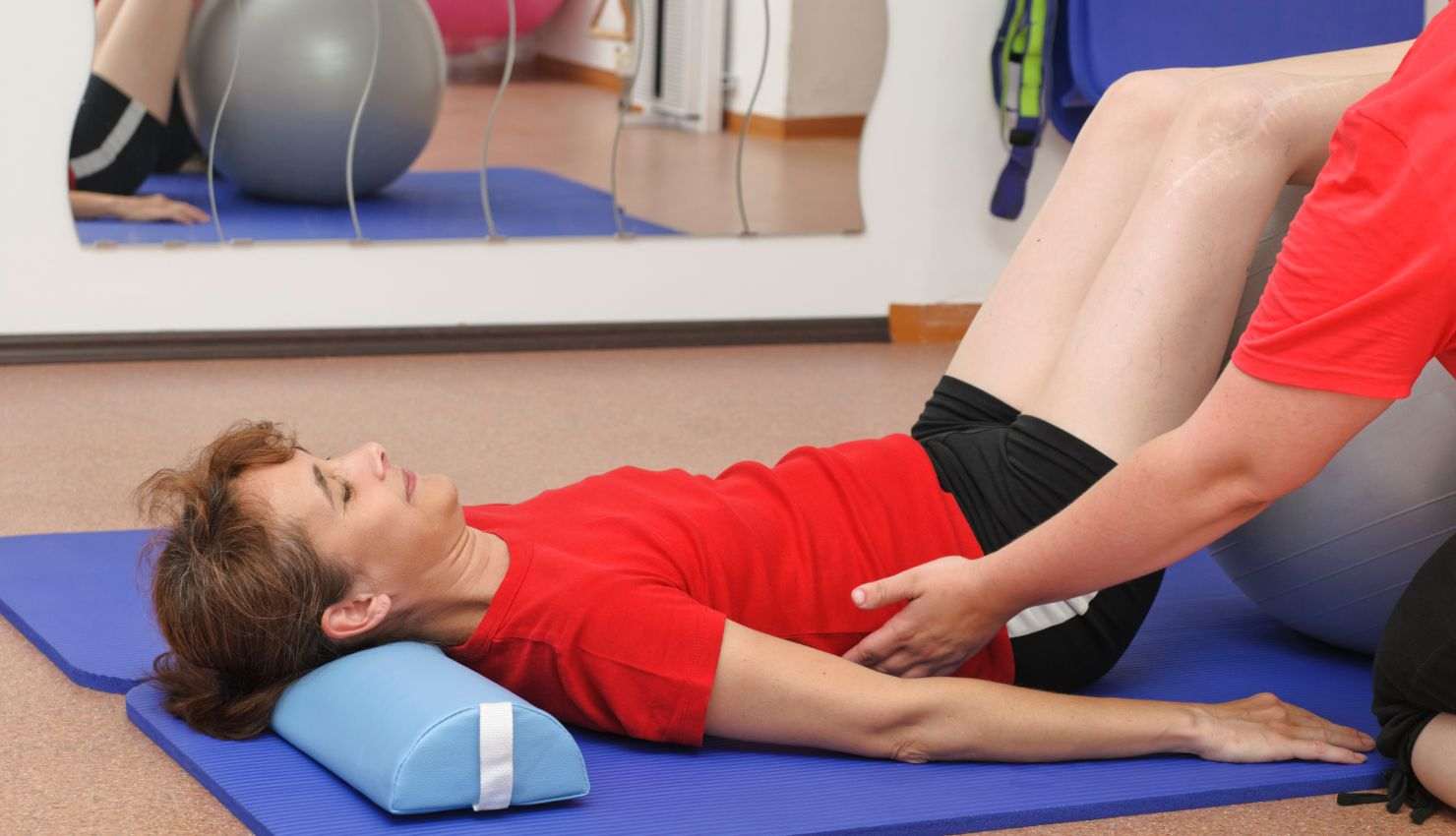
Regaining functional independencethe ability to move, perform daily tasks, and live autonomouslyis a key goal of post-injury rehabilitation. Movement therapy helps rebuild mobility, strength, coordination, and confidence by retraining the body to perform essential movements safely and efficiently.
?? What Is Functional Independence?
Functional independence refers to a persons ability to carry out activities of daily living (ADLs) such as:
Walking, standing, and sitting
Dressing, bathing, and grooming
Reaching, lifting, or carrying
Climbing stairs or getting in/out of a vehicle
Injury can disrupt these abilities due to pain, weakness, or mobility limitations. Movement therapy aims to restore these functions using progressive, task-specific, and neuromuscular retraining exercises.
? How Movement Therapy Supports Recovery of Independence
Rehabilitation Focus Benefits to Functional Independence
Restoring joint range of motion Enables full limb movement for walking, reaching, etc.
Improving muscle strength and endurance Supports posture, gait, and task completion
Enhancing balance and stability Prevents falls and supports transitional movements
Rebuilding coordination and motor control Ensures smooth, safe, and efficient actions
Addressing compensatory patterns Reduces pain and long-term dysfunction
????? Core Movement Therapy Strategies
?? 1. Mobility & ROM Restoration
Example: Hip flexor stretches, ankle circles, shoulder pass-throughs
Goal: Reduce stiffness and restore pain-free joint motion
?? 2. Strength & Endurance Training
Example: Sit-to-stand drills, step-ups, resistance band rows
Goal: Rebuild muscles needed for standing, walking, lifting, etc.
?? 3. Balance & Stability Work
Example: Single-leg stands, tandem walking, heel-to-toe drills
Goal: Reduce fall risk and improve postural control
?? 4. Task-Specific Functional Movements
Example: Reaching for overhead objects, turning in tight spaces, floor transfers
Goal: Mimic real-world activities in a safe, progressive way
?? 5. Gait and Movement Pattern Reeducation
Example: Marching drills, weight shifting, assisted walking
Goal: Normalize walking patterns and load distribution
?? Sample Weekly Routine for Functional Recovery
Day Focus Example Exercises
Monday Lower Body Strength + Mobility Sit-to-stand, ankle pumps, hip openers
Tuesday Balance + Coordination Tandem walk, single-leg balance, arm-leg reach
Wednesday Mobility + Core Activation Pelvic tilts, bird-dog, shoulder mobility flow
Thursday Functional Movement Patterns Step-ups, wall push-ups, controlled reaches
Friday Gait Training + Endurance Walk with pace change, stair stepping, treadmill walking
?? Progression Model
Assisted to Unassisted Movement (e.g., from walker to cane to free movement)
Simple to Complex Tasks (e.g., seated reach ? standing reach ? walking while reaching)
Stable to Unstable Surfaces (e.g., flat ground ? foam mat ? stairs)
Low to High Repetition and Load (to build endurance and real-world strength)
?? Functional Milestones Tracked in Movement Therapy
Milestone Why It Matters
Independent sit-to-stand Foundation of mobility and lower-body strength
Standing balance > 30 seconds Reduces fall risk and increases task safety
Ambulating 100+ feet without aid Essential for home/community independence
Reaching overhead and across midline Needed for grooming, dressing, and cooking
Climbing stairs or curbs with control Key for navigating environments safely
?? Who Benefits from This Approach?
Individuals recovering from fractures, joint surgery, or falls
Patients healing from neurological injuries (e.g., stroke, TBI)
Older adults regaining autonomy after hospitalization
Athletes or workers returning to physical demands of their roles
?? Important Considerations
Always begin within pain-free limits
Track progress over time to adjust exercises accordingly
Use adaptive tools or support (e.g., chairs, straps, balance rails) when necessary
Work with a physical therapist or movement specialist for optimal results