Movement therapy plays a crucial role in improving posture and movement patterns by retrai…

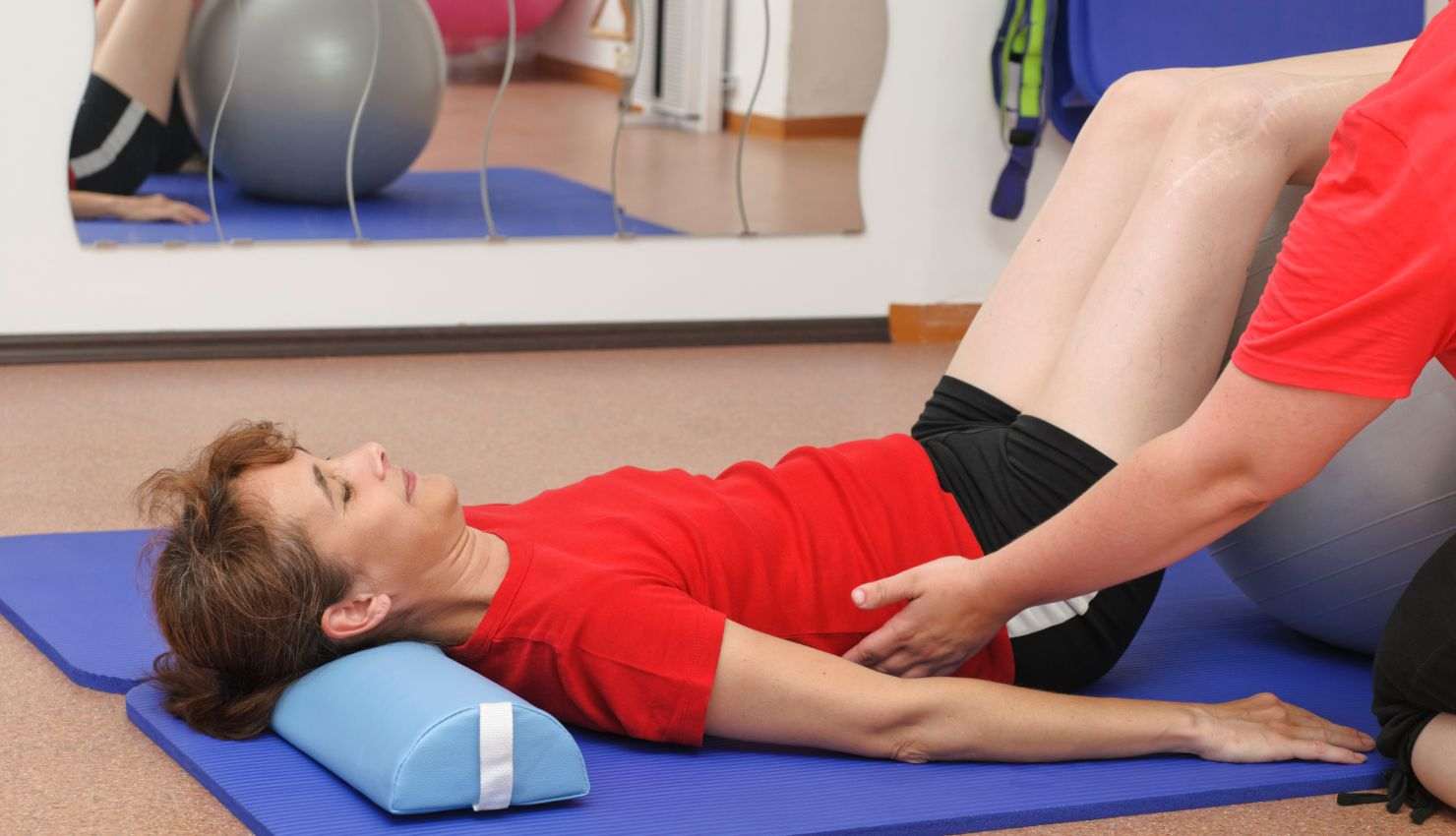
Movement therapy plays a crucial role in improving posture and movement patterns by retraining the body to move with better alignment, balance, and control. Poor posture and dysfunctional movement are often underlying causes of chronic pain, fatigue, limited mobility, and injury. By identifying and correcting these issues, movement therapy enhances both functional performance and overall well-being.
?? What Are Posture and Movement Patterns?
Posture: The way the body is aligned and held during sitting, standing, or moving.
Movement patterns: Habitual ways we move our bodies during tasks like walking, lifting, or bending.
Faulty posture and improper movement patterns often lead to compensation, where one muscle or joint overworks to make up for anothers weakness or restriction. Over time, this can result in pain, stiffness, and injury.
? How Movement Therapy Addresses Posture and Movement Dysfunction
Focus Area Therapeutic Benefit
Postural awareness Teaches body positioning to reduce strain on joints and muscles
Movement re-education Rebuilds correct motor patterns for efficient, safe movement
Muscle balance and activation Targets weak or underactive muscles and releases tight areas
Joint mobility and alignment Improves range of motion and joint control
Core and stabilizer training Supports the spine and pelvis for better posture
?? Common Postural and Movement Issues
Issue Consequence
Forward head posture Neck and shoulder pain, headaches
Rounded shoulders Impinged shoulders, breathing restrictions
Anterior pelvic tilt Lower back pain, tight hip flexors
Knee valgus during squats Knee strain, hip instability
Overpronation while walking Foot, ankle, and knee injuries
??? Movement Therapy Techniques Used
?? 1. Postural Correction Drills
Wall posture checks
Chin tucks
Shoulder retractions
Pelvic tilts
?? 2. Mobility and Flexibility Exercises
Thoracic spine extensions
Hip flexor and hamstring stretches
Ankle dorsiflexion mobility drills
?? 3. Stability and Core Activation
Dead bugs
Bird-dog
Glute bridges
Pallof press
?? 4. Functional Movement Training
Squat and hinge pattern correction
Lunge mechanics
Step-ups with alignment control
Gait training (heel-toe walking, stride correction)
?? Neuromuscular Re-Education
Movement therapy helps rewire the brain-body connection, encouraging correct muscle firing order and joint control. This enhances:
Proprioception (body awareness in space)
Dynamic alignment during activity
Muscle memory for long-term improvements
?? Sample Posture & Movement Therapy Routine
Component Exercise
Postural Warm-Up Wall slides, chin tucks, deep breathing
Mobility Work Cat-cow, spinal twists, ankle mobility
Core Stabilization Bird-dog, glute bridge, dead bug
Movement Patterning Bodyweight squats, lunge form drills
Postural Hold Wall posture or tall-kneeling alignment
?? Long-Term Benefits
Reduced pain in neck, back, and shoulders
Improved posture and body awareness
Safer, more efficient movement in sports and daily life
Fewer injuries caused by repetitive strain or misalignment
Better breathing, digestion, and circulation due to upright posture
?? Who Benefits Most?
Desk workers with sedentary lifestyles
Athletes with recurring movement-related injuries
Older adults with posture-related balance issues
Rehab patients retraining movement after injury or surgery
Anyone experiencing pain due to poor body mechanics